



H&V Insulation for Pipes
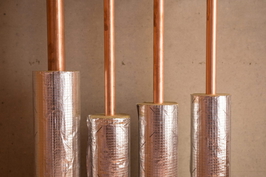
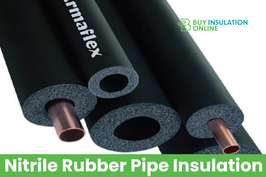
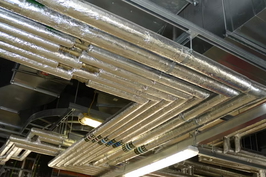
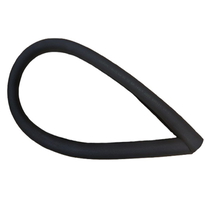
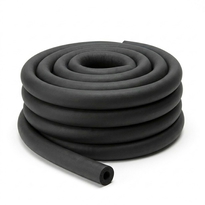
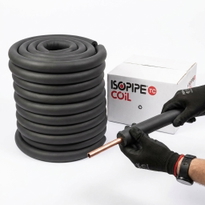
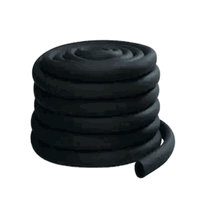
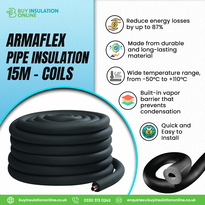
H&V pipe insulation utilises materials such as polyethylene foam, polyurethane foam, elastomeric foam, and mineral wool to minimise heat loss, prevent moisture accumulation, and safeguard pipes from freezing or damage. Proper insulation enhances energy efficiency, reduces costs, and ensures the longevity of systems. It is crucial in residential, commercial, and industrial settings, with various types tailored to specific applications.
For a more comprehensive understanding of installation practices, innovations, and maintenance, exploring further can provide valuable insights into the benefits and importance of effective insulation in the UK.
Types of H&V Pipe Insulation Materials
There are various types of insulation materials employed for heating and cooling pipes, each tailored to specific requirements and conditions.
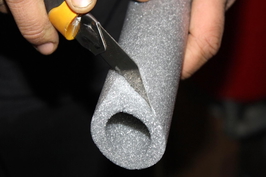
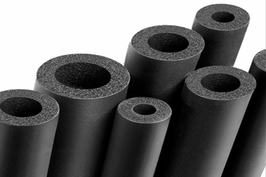
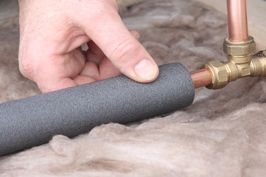
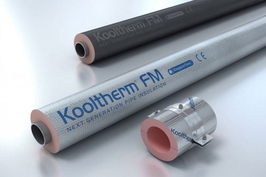
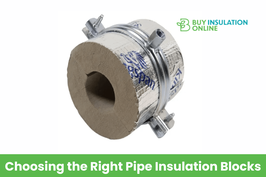
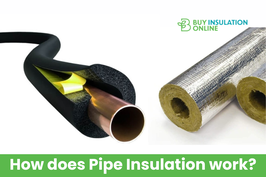
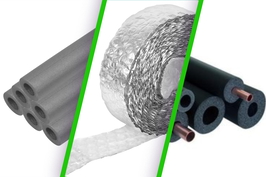
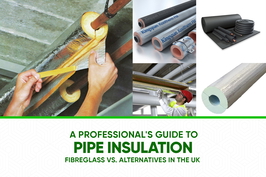
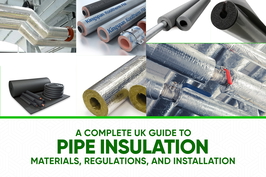
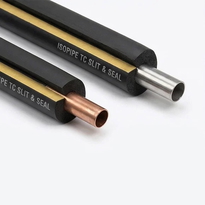
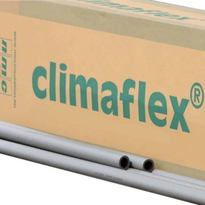
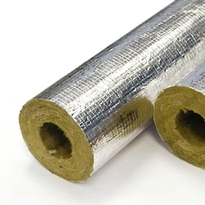
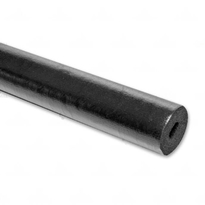
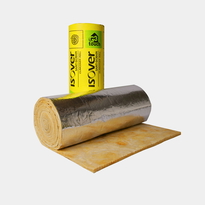
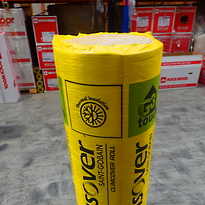
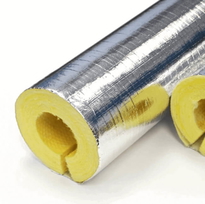
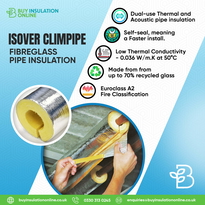
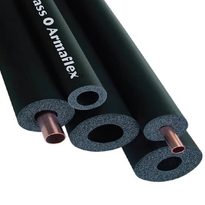
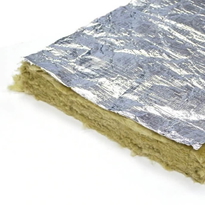
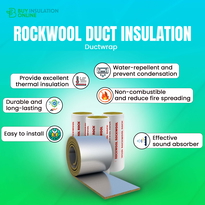
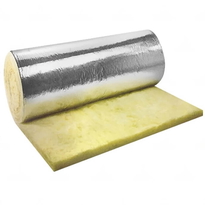
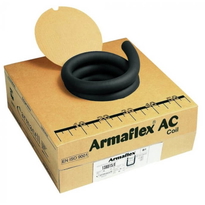
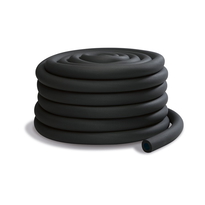
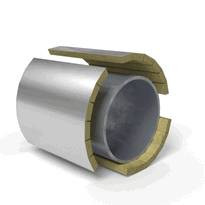
Foam-based options include polyethylene foam, which is lightweight, flexible, and resistant to moisture, making it a popular choice for plumbing and cooling systems. Polyethylene’s versatility makes it suitable for both residential and commercial applications. Polyurethane foam provides high thermal efficiency and durability, particularly suited for refrigeration applications. Polyisocyanurate foam is designed to withstand elevated temperatures and is ideal for industrial settings, while phenolic foam offers excellent thermal insulation and fire safety properties, often utilised in HVAC systems. Elastomeric foam rubber is flexible, UV-resistant, and simple to install, effectively preventing condensation on outdoor pipes. Mineral and fibrous materials, such as mineral wool and fibreglass, deliver high fire resistance and sound absorption, making them suitable for indoor use or in challenging environments. Rigid foam options, including polystyrene and foamglas, alongside flexible elastomeric foam, cater to various temperature ranges and applications, providing effective insulation solutions for different needs.
Advantages of Insulating Plumbing and HVAC Systems
Insulating plumbing and HVAC systems provides numerous essential advantages for buildings in the UK.
Primarily, it aids in reducing energy costs by minimising heat loss and enhancing system efficiency. This improvement can result in lower utility bills for occupants. Proper insulation also prevents freezing in cold climates, protecting pipes from damage and costly repairs. Moreover, insulation plays a crucial role in controlling moisture and condensation. By doing so, it helps prevent water damage and mould growth, which can compromise the integrity of both the structure and the systems themselves.
In addition to these benefits, effective insulation contributes to the overall performance of HVAC and plumbing systems, ensuring they operate at their best for longer periods.
Energy Cost Reduction
By reducing heat loss in plumbing and HVAC systems, proper pipe insulation offers significant energy cost savings.
Insulating pipes helps to maintain water temperature for longer periods, which reduces the energy required for reheating. This efficiency can substantially lower heating expenses by minimising fuel and electricity consumption, particularly in larger or older systems that require thicker insulation with higher R-values for enhanced savings.
Effective insulation stabilises indoor temperatures, thereby lessening the workload on HVAC units. This results in reduced operational costs and prolongs the lifespan of these systems.
In large buildings such as schools and hospitals, the application of insulation has led to substantial energy reductions, resulting in significant annual savings.
As the market for insulation continues to expand, it remains a crucial tool for achieving these savings and enhancing overall energy efficiency in the UK.
The importance of proper installation techniques and insulation quality can further impact the actual energy savings realized from pipe insulation.
Moisture and Condensation Control
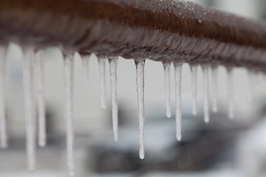
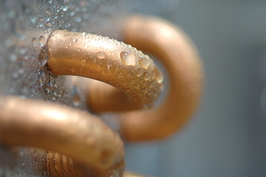
Controlling moisture and condensation is a crucial advantage of insulating plumbing and HVAC systems. Insulation serves as a barrier that prevents warm, humid air from contacting cold pipes, thereby stopping condensation from forming. Prevents freezing and bursting of pipes in cold climates. The presence of condensation can lead to water droplets that foster mould growth and cause damage to walls or floors, particularly in basements and crawl spaces. Insulating pipes also minimises the risk of corrosion by keeping moisture away from metal surfaces, which in turn extends the lifespan of pipes and systems. Furthermore, effective moisture control helps to maintain dry indoor environments, preventing costly water damage. It also enhances HVAC efficiency by stabilising pipe temperatures and reducing humidity levels.
Factors to Consider When Choosing Pipe Insulation
Choosing the right pipe insulation involves considering several important factors to ensure effective thermal performance and durability.
First, the temperature of the fluid within the pipe plays a crucial role in determining the insulation thickness—hotter fluids necessitate thicker insulation to minimise heat loss. Higher temperature fluids require thicker insulation.
Second, the size and material of the pipe are significant; larger or metal pipes typically require additional insulation to maintain heat.
Third, selecting appropriate insulation materials depends on factors such as thermal conductivity, moisture resistance, and environmental exposure. Materials like fibreglass or foam are often ideal choices.
Fourth, external climate conditions and space constraints also influence the insulation choice, particularly in colder areas or where installation space is limited.
By carefully evaluating these considerations, one can select insulation that's efficient, durable, and tailored to the specific requirements of the piping system.
This thoughtful approach fosters confidence among those responsible for maintenance and energy efficiency.
Common Applications of Pipe Insulation in Various Settings
Pipe insulation plays a vital role across a variety of settings, enhancing safety, efficiency, and the longevity of equipment.
In industrial facilities and manufacturing plants, insulation effectively reduces heat loss or gain, thereby preventing energy waste. It also helps maintain pipe surfaces at safe temperatures and controls condensation, which prevents corrosion and extends the lifespan of pipes.
Power stations utilise high-temperature resistant insulation to optimise efficiency while providing protection against fire hazards.
HVAC systems benefit from insulation by maintaining consistent temperatures, reducing noise levels, and preventing moisture accumulation.
In chemical plants, insulation is crucial for safeguarding against extreme heat and fire, ensuring safe operations.
Cold storage facilities depend on insulation to maintain low temperatures, prevent pipe freeze-up, and conserve energy.
These applications demonstrate how pipe insulation is essential for creating a safer and more efficient environment across various industries in the UK. Proper insulation installation is also critical to ensure maximum performance and safety, making professional services highly valuable.
Best Practices for Installing Pipe Insulation
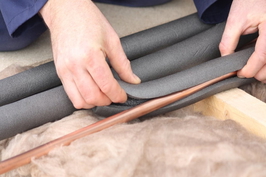
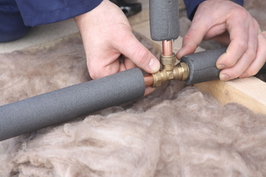
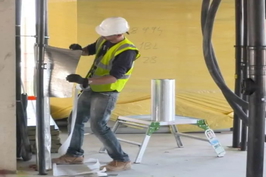
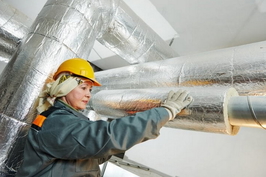
Proper installation of pipe insulation is essential to ensure maximum efficiency and safety. To achieve this effectively, adhere to the following best practices:
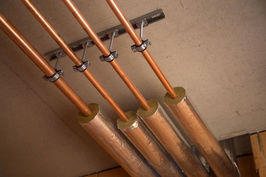
Wrap insulation snugly around pipes without compressing it. Employ spiral wrapping or overlapping layers to ensure complete coverage of all areas.
Secure the insulation at regular intervals, approximately every 1 to 2 feet, using wire, tape, or ties. This prevents slipping and ensures stability.
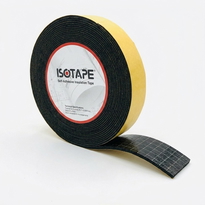
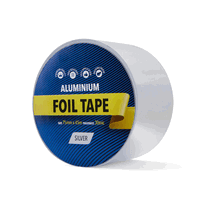
Seal all seams and joints with suitable tape or sealant to minimise heat loss and block moisture ingress.
Maintain safe clearances, such as keeping at least 6 inches from flues on gas water heaters, to avoid fire hazards. Ensure that fittings are properly fitted to prevent gaps.
Following these guidelines guarantees durability, optimal performance, and safety for all pipe insulation projects.
Maintaining and Inspecting Insulated Pipes
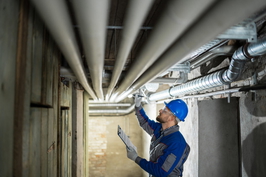
Regular inspections are vital for maintaining insulated pipes, with a recommended frequency of at least once a year to identify potential issues early. During these assessments, it's important to closely examine for signs of damage such as cracks, moisture, or physical impact, particularly around recently repaired areas. Recognising these indicators is crucial in ensuring the insulation remains effective and helps to avert expensive repairs in the future. Routine inspections help detect problems before they become severe, saving costs and improving system efficiency. Keeping a watchful eye on the condition of insulated pipes supports not only the integrity of the system but also enhances energy efficiency, as proper insulation mitigates heat loss. Regular maintenance checks can lead to improved longevity of the pipes and optimal performance, proving essential for any property owner or facility manager.
Inspection Frequency and Timing
Maintaining the integrity of insulated pipes requires careful planning of inspection frequency and timing. The frequency depends on pipe classification, risk level, and various external factors. For instance, Class 1 pipes necessitate inspections every five years, whereas Class 4 inspections are discretionary.
Ultrasonic thickness measurements should ideally be conducted every five to ten years, contingent on the associated risks, with visual checks also recommended within this timeframe. Regulatory guidelines stipulate more frequent inspections for certain pipelines, with onshore assessments required every three years and annual inspections for offshore systems.
Key considerations include:
Adjusting inspection schedules based on previous results.
Taking into account environmental impacts such as weather conditions and corrosion.
Timing inspections to align with seasonal variations or operational changes.
Ensuring prompt follow-ups after repairs or if any damage is detected.
Proper timing of inspections is crucial in preventing damage and extending the life of insulation, thereby fostering a safer and more reliable system.
Common Damage Indicators
Identifying damage in insulated pipes is vital for maintaining their performance and safety. Common indicators of deterioration include physical damage, moisture issues, and thermal performance problems. Asbestos pipe insulation, if present, can degrade over time, increasing the risk of fiber release and health hazards. Crumbling insulation, cracks, or gaps signify a decrease in insulation effectiveness. Additionally, signs of water intrusion such as moisture stains, mould, rust, or peeling paint can indicate potential structural damage. Furthermore, uneven temperatures, drafts, and rising energy bills are often symptomatic of insulation failure.
Damage Type |
Key Signs |
| Physical Damage | Cracks, broken seams, sagging, or disconnected components |
| Moisture & Water Issues | Mould, water stains, rust, or peeling paint |
| Thermal & Performance Signs | Cold drafts, uneven heating, sudden increases in energy costs |
Regular inspections are essential to catch these indicators early, ensuring both safety and efficiency.
Innovations and Sustainable Trends in Pipe Insulation
Innovations in pipe insulation are increasingly centred on sustainability and energy efficiency. New materials, such as bio-based options, aerogels, and those containing recycled content, aim to reduce environmental impact while enhancing performance. These eco-friendly solutions are designed to lower the carbon footprint of piping systems and extend their lifespan.
The use of bio-based materials represents a greener choice, while the application of aerogels provides superior thermal resistance. Incorporating recycled content into insulation products contributes to sustainability efforts, and the development of natural fibre-inspired wrapping adheres to regulatory standards.
Smart technology is also playing a significant role in this field, with sensors and artificial intelligence systems optimising insulation performance and enabling early detection of potential issues.
These advancements foster a sense of community among environmentally conscious professionals and users alike. Together, these trends promote a more sustainable future that benefits all parties involved in piping systems.
The Role of Insulation in Energy Efficiency and Cost Reduction
Insulating pipes is essential for enhancing energy efficiency and achieving cost savings. Effective insulation maintains the temperature of hot water for extended periods, thereby reducing the energy required for heating. This can significantly minimise heat loss, especially in unconditioned or cooler areas, leading to substantial savings on energy bills.
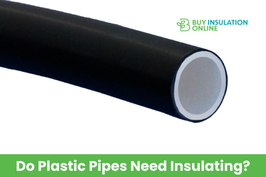
Metal pipes, in particular, benefit more from insulation compared to plastic pipes, as they tend to lose heat at a faster rate. By insulating pipes, households can also lower their fuel consumption, potentially saving between £15 to £30 annually while concurrently reducing their environmental footprint through decreased emissions.
In larger systems, the return on investment for insulation can often be realised in less than a year. The following table illustrates how pipe material, location, and frequency of use influence the advantages of insulation:
Pipe Material |
Location |
Usage Frequency |
| Metal | Unconditioned | 10-30 minutes between uses |
| Plastic | Conditioned | Less significant |
| Metal | Conditioned | Moderate |
| Plastic | Unconditioned | Minimal benefit |
| Metal | Unconditioned | High benefit |
With the right insulation strategy, both energy efficiency and cost reduction can be effectively achieved, making it a wise investment for any property owner.
Challenges and Solutions in Pipe Insulation Maintenance
Maintaining pipe insulation presents various challenges, such as deterioration caused by moisture, pests, or the natural degradation of materials over time.
To effectively address these issues, it's vital to implement strategies like regular inspections, appropriate repair techniques, and the utilisation of advanced technologies.
Being aware of these common problems and their solutions is crucial in ensuring the longevity and efficiency of insulated piping systems.
By prioritising maintenance and employing specialised methods, one can significantly enhance the performance and lifespan of insulation, ultimately leading to improved energy efficiency and reduced operational costs.
Regular checks can identify early signs of wear or damage, allowing for timely interventions that prevent more extensive issues.
Adopting a proactive approach not only safeguards the integrity of the insulation but also contributes to the overall effectiveness of the entire piping system.
Common Insulation Deterioration Causes
Insulation on pipes encounters numerous challenges that can lead to its deterioration over time. These issues encompass environmental, material, physical, and moisture-related factors.
Environmental exposure: Rain, sunlight, and fluctuations in temperature can weaken insulation if it isn’t adequately protected, hastening degradation.
Incorrect installation or ageing: The use of inappropriate materials, insufficient thickness, or poor installation can create gaps, allowing moisture to penetrate.
Mechanical damage: Vibration, impact, or mishandling can result in tears, wrinkles, or cracks, diminishing the effectiveness of the insulation.
Moisture problems: Infiltration of water, condensation, and mould growth can significantly reduce the thermal properties of insulation and may lead to corrosion.
Understanding these causes fosters better maintenance practices and encourages a shared responsibility for keeping pipes in optimal condition.
Effective Maintenance Strategies
Regular maintenance is essential for keeping pipe insulation in good condition and ensuring its long-term performance. Inspections should be scheduled regularly to catch early signs of damage, particularly at joints, valves, and repaired areas where the risk of failure is higher. Conducting visual checks for cracks or moisture helps identify issues promptly, while thermal scans can reveal inefficiencies.
Cleaning surfaces to remove dirt and debris is vital in preventing deterioration; however, it is important to avoid harsh chemicals that could cause damage. Proper planning is crucial to ensure that insulation remains accessible for repairs without necessitating complete removal.
To assist with effective maintenance, here’s a summary of key strategies:
Challenge |
Solution |
Benefits |
| Damage detection | Regular visual and thermal inspections | Early problem identification |
| Moisture ingress | Sealing joints and implementing moisture control measures | Prevents deterioration |
| Accessibility issues | Strategic insulation design | Easier maintenance |
| Material wear | Timely replacement and upgrades | Sustains efficiency and safety |
Innovative Repair Technologies
Innovative repair technologies are revolutionising the approach to pipe insulation maintenance, making it more straightforward and efficient in addressing common challenges.
These advancements tackle issues such as moisture, physical damage, and material degradation, ensuring that insulation remains effective for an extended period.
Key innovations in this field include:
Circular winding techniques that enhance durability and improve thermal performance.
Advanced materials, such as fibreglass reinforcement, which significantly increase tear resistance and prolong lifespan.
Factory-applied facings that guarantee consistent quality and minimise on-site errors.
Self-adhesive closure systems that facilitate quicker installation and remove the need for additional adhesives.
These developments are essential for maintaining the integrity of insulation systems, ultimately leading to better energy efficiency and reduced maintenance costs.
Future Developments in H&V Pipe Insulation Technologies
Recent advances in materials and technology are shaping the future of heating and ventilation (H&V) pipe insulation in the UK, making it more efficient, sustainable, and intelligent. Innovations such as aerogels and advanced fibreglass provide ultra-low thermal conductivity, helping to meet energy efficiency standards.
The use of recycled polystyrene and bio-based materials is on the rise, significantly reducing environmental impact in line with sustainability objectives. Furthermore, the incorporation of nanomaterials with composites results in lightweight, high-performance insulation that's suitable for a variety of industries.
Smart systems that integrate with building management and digital sensors facilitate real-time performance monitoring and maintenance. These advancements not only help to comply with stricter energy regulations but also support renewable energy initiatives.
The market is expanding, driven by increasing energy costs and more stringent regulations, particularly in regions such as Asia-Pacific. Ongoing research and development by leading companies continue to propel exciting improvements in pipe insulation technologies, ensuring that the industry keeps pace with evolving demands and standards.
Conclusion
Proper pipe insulation plays a crucial role in energy efficiency, cost savings, and the longevity of heating and plumbing systems. By selecting appropriate materials and adhering to best installation practices, homeowners and professionals can enhance system performance while minimising maintenance challenges.
Recent advancements in sustainable and innovative insulation options further amplify these advantages. Staying informed about the latest technologies ensures effective, durable insulation solutions for plumbing and HVAC systems, ultimately leading to more efficient energy use and reduced expenses.
Investing in high-quality insulation not only protects pipes from temperature fluctuations but also contributes to a more comfortable living environment. With the right approach, both residential and commercial properties can benefit significantly from properly insulated piping systems, resulting in lower energy bills and a reduced carbon footprint.
Featured Articles on H&V Insulation for Pipes