



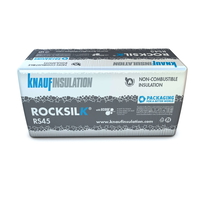
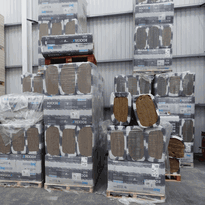

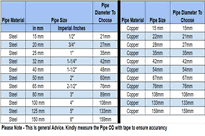
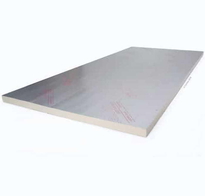
Stone Wool Insulation
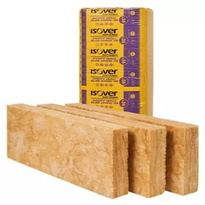
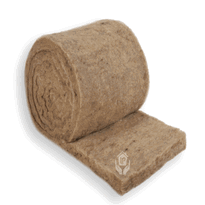
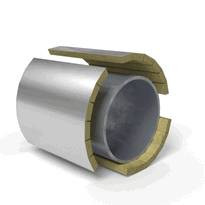
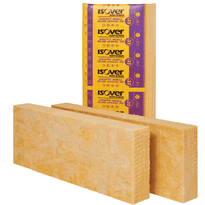
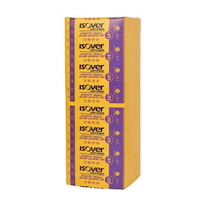
Stone wool insulation is crafted from natural volcanic rocks such as basalt. These rocks are heated to high temperatures and spun into fine fibers, which are then combined with specialized binders to produce durable, fire-resistant panels or batts. This form of insulation provides exceptional thermal efficiency, moisture resistance, and soundproofing qualities, thanks to its fibrous structure that effectively traps air.
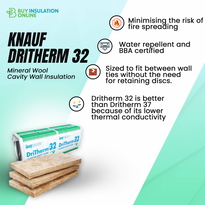
One of the key advantages of stone wool is its non-combustible nature, allowing it to withstand temperatures exceeding 1,800°C. This makes it an excellent choice for enhancing fire safety in residential and commercial buildings. Additionally, the manufacturing process for stone wool is environmentally considerate, reducing carbon emissions and minimizing ecological impact.
Continued exploration into its composition reveals that the mineral fibers contribute not only to superior insulating performance but also to durability and long-term resistance to mold and pests. The material’s sustainability credentials are further supported by its recyclability and low environmental footprint, aligning with the UK’s commitment to eco-friendly construction practices.
Stone wool insulation remains a popular choice across the UK, offering effective thermal performance measured by K-Values and U-Values, improving energy efficiency, and enabling compliant, safe, and sustainable building designs.
Composition and Manufacturing Process
Stone wool insulation is primarily composed of naturally occurring volcanic rocks, such as basalt, dolomite, and bauxite, which are selected for their favorable thermal and mechanical properties. These raw materials are often combined with recycled mineral wool and slag from the steel industry to enhance sustainability and resource efficiency.
In the manufacturing process, raw rocks are heated in industrial furnaces to around 1600°C or higher, transforming them into a molten state suitable for fiber formation. This high-temperature process is carefully controlled to optimize fiber quality and prevent defects. This molten material is then continuously spun into fine fibers through high-speed spinning chambers, similar to the process of cotton candy but with rock instead of sugar. The fibers are rapidly cooled, mixed with a binder to ensure structural integrity, and compressed into various product formats, ensuring consistency and optimal performance. Additionally, the eco-friendly ECOSE Technology used during production helps reduce chemical emissions and dust.
Physical and Chemical Characteristics
The physical and chemical characteristics of stone wool insulation are fundamental to its performance and durability in building applications. Its high density enhances soundproofing qualities and helps maintain its shape over time due to its resilient fiber network. Water management also benefits from its moisture resistance properties, preventing water infiltration and related issues. The dense, fibrous structure traps tiny air pockets, which significantly improves thermal insulation efficiency. Stone wool is naturally hydrophobic, meaning it resists moisture absorption, thereby preventing the growth of mold and mildew and safeguarding its long-term thermal and acoustic performance. Its fire-resistant nature allows it to withstand extremely high temperatures without losing its structural integrity, making it a vital safety feature in buildings. Additionally, stone wool is inherently fire-resistant, capable of withstanding temperatures exceeding 1,800°C without combusting. It releases no toxic gases when exposed to heat, making it a safe choice for buildings. Its chemically inert and biologically stable qualities also render it resistant to pests and microbial degradation, ensuring ongoing safety and longevity in a variety of environments.
Thermal and Fire Safety Performance
How does stone wool insulation deliver outstanding thermal and fire safety performance within building designs?
Stone wool’s insulation properties rely on tiny air pockets trapped among its fibres, which act as effective barriers to heat transfer, maintaining stable indoor temperatures regardless of external conditions. Its thermal conductivity, often as low as 0.038 W/mK, ensures excellent heat retention, while its U-value benefits from high thermal resistance. The insulation's ability to trap air is a key factor in its thermal performance. The durable, mineral-based fibers withstand temperatures exceeding 1000°C without melting or releasing toxic gases, preventing fire spread and protecting structural elements. This non-combustible nature enhances overall fire safety, helping buildings meet strict safety standards.
Additionally, stone wool maintains consistent thermal performance over time, reducing energy consumption and supporting sustainable and efficient building designs.
Environmental Impact and Sustainability
Stone wool insulation is recognized for its comparatively lower environmental impact and resource efficiency, making it a sustainable choice within modern building design. It's primarily produced from abundant volcanic basalt rock, a natural, non-depleting raw material, and its manufacturing process, although energy-intensive, is more efficient than many alternatives. Recent innovations have further optimized energy use during production, reducing the carbon footprint of stone wool manufacturing. The lifecycle emissions are moderate, with significant environmental impacts occurring during initial production phases, but overall, stone wool results in lower CO? emissions compared to other insulation materials. Its durability extends performance over 60 years, reducing the need for frequent replacements and waste. Additionally, its physical properties support reuse and repurposing, aligning with circular economy goals. Incorporating stone wool can assist emerging markets in lowering their energy demands, thereby contributing to global climate resilience and sustainable development. Key environmental benefits include: - Made from renewable volcanic basalt rock, a non-depleting resource - Offers long-lasting performance, reducing the frequency of replacement - Supports reuse and recycling in construction and renovation projects - Contributes to lowering a building’s overall energy consumption through its insulating properties
Conclusion
Stone wool insulation provides a durable, fire-resistant material with effective thermal properties, making it suitable for a range of construction applications across the UK. Its manufacturing depends on precise control of mineral composition and production techniques, which influence its physical and chemical characteristics. Additionally, stone wool’s environmental impact is minimized through sustainable practices and recyclability, supporting eco-friendly building design.
Understanding these aspects enables informed decisions about insulation choices that balance safety, performance, and sustainability in construction projects.