
Pre Slit Pipe Insulation
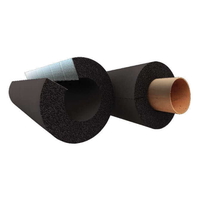
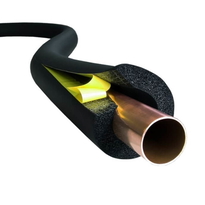
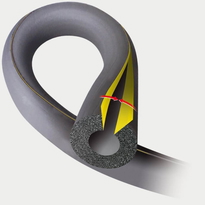
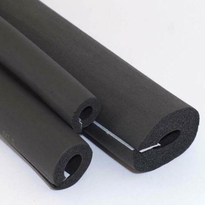
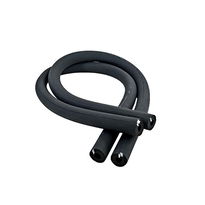
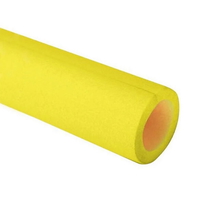
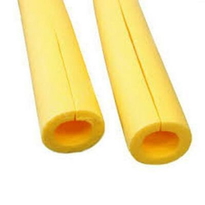
Pre-slit pipe insulation is designed for quick and secure installation, allowing insulation to be fitted around pipes without the need for cutting or specialised fitting tools. This facilitates saving time and reduces labour costs. Manufactured from durable materials such as polyethylene, PIR, or foam, it accommodates a wide range of pipe sizes and environments. It provides an effective barrier against heat transfer and condensation, helping to maintain energy efficiency and prevent moisture-related issues.
The slit design ensures a snug fit around the pipe, simplifies handling during installation, and minimises mess. Its flexibility makes it a practical solution for various applications, whether in commercial, industrial, or residential settings. To ensure optimal performance, it is important to follow recommended installation steps, including proper positioning and sealing, to enhance insulation integrity and longevity.
Key Advantages of Pre-Slit Pipe Insulation
Pre-slit pipe insulation offers numerous notable advantages that enhance both installation efficiency and functional performance.
Its design allows installers to quickly and securely wrap pipes without the need for additional cutting or fitting tools, thereby saving time and reducing labour costs.
The pre-slit feature ensures a snug fit around pipes, which significantly improves thermal insulation properties and helps minimise heat loss, particularly during hot water transmission.
This effective fit also facilitates better condensation control, preventing moisture build-up and potential damage to surrounding structures.
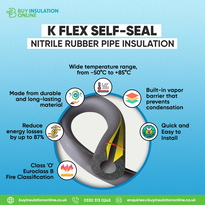
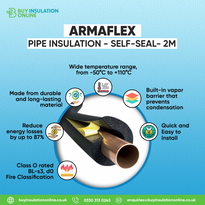
Furthermore, the insulation is built to be durable across a wide range of temperatures, from -40°C to +110°C, making it suitable for various environmental conditions encountered across the UK.
The combination of straightforward installation, reliable thermal performance, and moisture prevention contributes to energy savings, increased safety, and more sustainable building operations.
Pre-slit pipe insulation is also highly cost-effective, providing long-term savings on energy bills and maintenance costs by reducing heat loss and preventing moisture-related issues. It is manufactured using advanced techniques that ensure high-quality performance and environmental sustainability.
Different Types of Materials Used in Pre-Slit Pipe Insulation
Different materials used in pre-slit pipe insulation are selected based on their thermal performance, durability, cost, and suitability for specific environmental conditions. Polyethylene is common due to its flexibility, lightweight nature, and ease of installation, especially in cooling applications. Polyisocyanurate (PIR) offers excellent thermal efficiency and fire resistance, making it suitable for high-temperature environments. Polystyrene provides consistent insulation in low-temperature settings, while polyurethane combines high durability with moisture resistance, ideal for refrigeration. The table below summarises the key features:
Material |
Thermal Property |
Cost and Availability |
Suitable Application |
| Polyethylene | Lightweight, flexible, suitable for cooling | Inexpensive, widely available | Cooling systems, pre-slit applications |
| Polyisocyanurate (PIR) | High thermal efficiency, fire-resistant | Moderate, used in high-temperature piping | High-temperature piping |
| Polystyrene | Effective in low-temperature environments | Affordable, accessible | Cold environments |
| Polyurethane | Durable, moisture-resistant | Slightly higher cost | Refrigeration systems |
When selecting a material for pipe insulation, it is essential to consider the operating environment and specific performance requirements to ensure optimal protection and efficiency. Understanding the thermal properties of each material is crucial for choosing the best insulation solution for different conditions. Additionally, choosing insulation made from sustainable materials can further enhance environmental benefits by reducing embodied carbon.
Step-by-Step Guide to Installing Pre-Slit Pipe Insulation
Proper installation of pre-slit pipe insulation requires a systematic approach to ensure maximum effectiveness and durability.
First, pipes must be thoroughly cleaned with a mild soap solution, removing dirt and grease, then completely dried to prevent moisture entrapment. Cleaning and drying help the insulation adhere better and prevent mold growth. Measure the pipe diameter to select the correct insulation size, and calculate the total length needed by measuring each pipe segment. Ensuring correct sizing is essential for optimal insulation performance, especially in thermal efficiency applications.
Gather essential tools, including a knife, duct tape, and measurement tape.
Because the insulation is pre-slit, open the slit to facilitate sliding it over the pipe.
Begin at one end and carefully fit the insulation around bends by cutting the ends at 45° angles as needed.
Seal joints and bends using tape or adhesive, ensuring all connections are tight, clean, and well-secured for optimal insulation performance.
How Pre-Slit Pipe Insulation Enhances Energy Efficiency and Safety
When installed correctly, pre-slit pipe insulation significantly enhances both energy efficiency and safety within plumbing and heating systems. By reducing heat loss from hot water pipes, it helps maintain water temperatures for longer periods, consequently decreasing the amount of energy required to keep those temperatures steady.
Additionally, insulation prevents standby heat loss from hot water tanks by ensuring heat isn't conducted away through pipes and fittings. This form of insulation also improves system performance by ensuring that hot water reaches its destination with minimal temperature drop. As a result, energy consumption can be lowered, leading to cost savings that typically range between £15 and £30 each year for residential properties. Proper installation also reduces fire hazards by preventing the accidental contact of hot pipes with combustible materials.
From a safety perspective, insulation reduces burn hazards by covering hot surfaces, making it safer to handle pipes and fittings. Furthermore, it helps prevent condensation that could lead to mould growth or structural damage, contributing to a healthier environment within the building.
Environmental Benefits and Cost Savings From Using Pre-Slit Pipe Insulation
Pre-slit pipe insulation provides numerous tangible environmental and economic benefits by effectively reducing heat loss and enhancing overall system efficiency. It contributes to decreased energy consumption, which in turn lowers greenhouse gas emissions associated with heating and cooling processes. The use of sustainable materials, such as recycled denim, further diminishes environmental waste and impact. Insulation also safeguards pipes from corrosion, prolonging their service life and reducing the need for frequent replacements, thus helping to minimise waste. Additionally, insulated pipes reduce condensation formation, aiding in the conservation of water resources and preventing issues such as water damage, mould growth, and noise pollution. Thermal resistance from closed-cell foam insulation increases thermal efficiency, further supporting energy conservation. Properly installed insulation also minimizes external environmental damage to pipes, ensuring reliable operation over time. From an economic perspective, the implementation of pre-slit pipe insulation leads to substantial energy savings and decreased operational costs. Its straightforward installation process shortens labour time and lowers maintenance expenses.
Conclusion
Pre-slit pipe insulation provides a practical and efficient solution for the safe and environmentally conscious management of pipes. Its ease of installation reduces labour time, making it suitable for a variety of settings, from industrial sites to residential premises. Compatibility with diverse pipe materials ensures versatility across different applications.
By improving thermal efficiency, pre-slit pipe insulation helps to minimise heat loss, thereby supporting energy conservation efforts. Proper selection and precise installation are essential for achieving optimal performance, preventing pipe damage, and extending the lifespan of piping systems. Ultimately, pre-slit pipe insulation is a cost-effective method to maintain pipe integrity, promote sustainable infrastructure, and reduce long-term operational costs.