

Understanding the Role of Party Wall Insulation in Home Efficiency
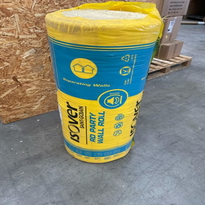
Party wall insulation plays a vital role in improving the energy efficiency of properties that share common walls, particularly in older semi-detached and terraced houses across the UK. These shared walls are a significant source of heat transfer between neighbouring homes, which can lead to increased energy consumption and higher heating bills.
Proper insulation creates a thermal barrier that effectively minimises this heat transfer. By slowing the escape of warm air and preventing cold spots within the property, insulated party walls help maintain a more consistent indoor temperature. This not only enhances comfort but also reduces the workload on central heating systems.
Insulating party walls also contributes to environmental benefits by lowering energy usage and reducing carbon emissions. When selecting insulation materials—from cavity fillers to specialised systems—homeowners should consider their property’s specific requirements and budget constraints.
It's important to ensure that installation complies with UK building regulations and standards to maximise effectiveness.
Benefits of Insulating Party Walls for Thermal Comfort and Noise Reduction
Insulating party walls provides significant advantages for both thermal comfort and acoustic privacy within residential settings.
By reducing heat transfer through shared walls, insulation helps to maintain a more stable indoor temperature, resulting in warmer homes during the colder months and cooler environments in summer. This reduction in thermal bridging minimises cold spots, draughts, and temperature fluctuations that can compromise comfort, offering occupants a more consistent and enjoyable living climate. Proper insulation measurement and installation are essential to maximize these thermal benefits.
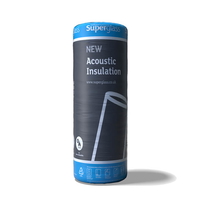
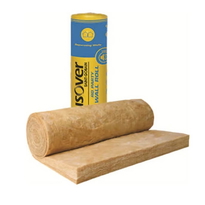
Furthermore, insulated party walls greatly diminish noise transmission between neighbouring properties. Materials such as mineral wool or stone wool not only enhance thermal regulation but also improve acoustic insulation, creating quieter and more peaceful living spaces.
These benefits lead to increased property value, enhanced energy efficiency, and an overall improved quality of life by lessening reliance on central heating systems and reducing disturbances from household activities or external street noise.
Complying With Fire Safety Standards in Party Wall Insulation
Ensuring compliance with fire safety standards in party wall insulation requires a thorough understanding of relevant building regulations and disciplined adherence to established construction practices. Building codes such as the UK Building Regulations and relevant British Standards specify that party walls must achieve specified fire-resistance ratings, typically measured in hours, to prevent the spread of fire between separate dwellings or commercial units. These walls must extend fully to and be tightly sealed against external structures to provide comprehensive protection. The utilisation of durable, fire-retardant materials—such as reinforced concrete, mineral-based insulations, and specialised fire-resistant boards—significantly enhances safety. Proper testing and certification are essential. Compliance with standards like BS 476, Euroclasses, and other relevant testing methods verifies that materials meet the required fire resistance levels. Regular inspections by building control officers and detailed plan reviews facilitate adherence throughout the construction process. It is vital to follow the specific requirements set out by local planning authorities and fire safety legislation. Maintaining detailed documentation and ensuring all work complies with the approved plans help streamline certification and reduce safety risks. Adherence to fire-resistance ratings is essential for maintaining safety and complying with legal standards in party wall insulation projects.
Legal and Structural Considerations for Installing Party Wall Insulation
Legal and structural considerations are fundamental when installing party wall insulation, as they ensure compliance with UK regulations and safeguard the shared structure between neighbouring properties. Property owners and contractors must carefully navigate the legal framework, including the requirements under the Party Wall etc. Act 1996. This typically involves serving written notices and securing formal agreements before commencing any work that could affect the party wall, especially when carrying out structural modifications or installing insulation that may impact the wall’s integrity.
Maintaining the structural integrity of the party wall is paramount. The process must be planned meticulously to ensure that the wall’s strength and stability are not compromised. Proper techniques and specialised installation methods should be employed, particularly to prevent damage or weakening of the shared structure. Moisture control is also crucial; using appropriate, breathable materials and ensuring proper vapour management helps prevent issues such as damp, mould, or rot, which could threaten the wall’s stability over time.
All work must conform to national building regulations, which set out standards for material quality and installation practices. Using certified materials and adhering to recognised standards—such as ensuring thermal insulation properties meet prescribed U-Values—is essential. These regulations are designed to promote energy efficiency while maintaining safety.
Proper planning and legal adherence are vital to respecting neighbours’ rights and maintaining the shared structural stability of the party wall. Clear communication, meticulous documentation, and compliance with legislative requirements help avoid disputes and ensure that insulation installation proceeds smoothly and safely.
Conclusion
In conclusion, properly installing party wall insulation enhances energy efficiency, improves thermal comfort, and reduces noise transmission between neighbouring properties. Ensuring compliance with fire safety standards and adhering to legal requirements are essential for safety and legality. Contractors should carefully consider structural factors and follow precise installation procedures. A thorough understanding of these aspects facilitates effective insulation, ultimately contributing to safer, more comfortable, and energy-efficient buildings.