


Drain Pipe Soundproofing
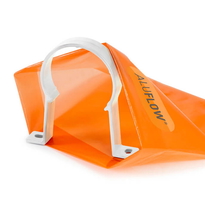
To reduce drain pipe noise, effective soundproofing techniques involve wrapping pipes with dense materials such as mass-loaded vinyl or stone wool. These materials are designed to absorb vibrations and block sound transmission effectively.
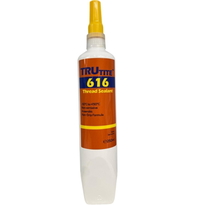
Sealing joints with airtight sealants and using vibration dampers can further minimise rattling and humming sounds. Decoupling pipes from structural supports, along with incorporating layers specifically designed for low-frequency noise, can significantly enhance soundproofing results.
Exploring these methods can lead to quieter drainage systems, and further insights reveal how to optimise soundproofing for various environments.
Understanding the Sources of Noise in Drain Pipes
Understanding the sources of noise in drain pipes is essential for addressing and preventing unwanted sounds in plumbing systems. High water pressure, typically exceeding the recommended levels, often causes pipes to rattle and vibrate, resulting in humming noises. Excessive pressure can also damage fixtures and heighten the risk of burst pipes, exacerbating sound issues. Maintaining proper pressure levels helps reduce stress on pipes. Pressure surges, which can occur when water abruptly stops or changes direction, lead to loud banging sounds commonly referred to as water hammer. Blockages from debris, waste, or tree roots result in gurgling sounds and potential wastewater backups. Additionally, clogged vent pipes can cause high-pitched noises, as air can't escape effectively. Loose or damaged pipes, seals, or connections may rattle or drip, contributing to the overall noise problem. Air trapped within the pipes creates bubbling sounds, particularly when venting issues hinder smooth drainage. Understanding these causes is crucial for effective soundproofing and maintenance, ensuring a quieter and more efficient plumbing system.
The Role of Pipe Wrapping Materials in Noise Reduction
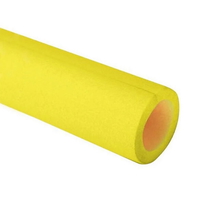
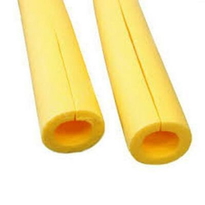
Pipe wrapping materials play a vital role in minimising noise in plumbing systems by providing effective barriers and absorbers of sound. These materials can significantly reduce noise levels, depending on their thickness and the quality of installation. Multilayer systems, which combine vinyl barriers with foil facings, function both as noise barriers and sound absorbers. Mass-loaded vinyl is particularly effective at blocking sound transmission, especially when combined with decouplers made from materials like fibreglass or foam. Stone wool wraps, such as ProRox, adhere to stringent standards for noise reduction in industrial settings and also resist moisture and corrosion. Acoustic pipe lagging is designed to absorb vibrations and dampen sound, ensuring quieter pipes. The use of advanced materials like fiberglass decouplers further enhances sound attenuation, providing additional insulation and reducing transmission through pipe walls.
Choosing the Right Soundproofing Materials for Drain Pipes
Choosing the right soundproofing materials for drain pipes is essential for effective noise control in your home or business. The ideal materials shouldn't only effectively block sound but also resist fire and heat, ensuring safety during installation. Dense materials, such as Mass Loaded Vinyl, are excellent for enhancing noise reduction. These materials are designed to absorb and dampen sound, making them a popular choice for various applications. Additionally, it's important to select fire-resistant options, especially in commercial environments where safety is paramount. When selecting soundproofing materials, it's crucial to consider the specific environment and type of pipe being used. This will help in choosing materials that aren't only effective and durable but also straightforward to install, ensuring a seamless integration into your existing plumbing system. Proper installation techniques are also vital for maximizing soundproofing effectiveness and ensuring long-term performance.
Material Effectiveness for Noise
Effective soundproofing for drain pipes relies significantly on the selection of materials that can block or reduce noise across various frequencies. Heavy, dense barriers such as Mass Loaded Vinyl (MLV) are particularly effective, as their substantial weight prevents low-frequency noises from transmitting.
When MLV is combined with closed cell foam, it creates a “double wall” effect that isolates vibrations and enhances soundproofing.
Commercial wraps like NetLag are known to significantly reduce noise exposure when paired with suitable insulation materials. It's essential that these materials are airtight to achieve maximum effectiveness, as any gaps can diminish performance.
Lighter wraps tend to be less effective, particularly for low-frequency sounds.
Incorporating decoupling layers, such as foam, can further dampen vibrations, preventing loud noises from travelling through pipes and structures.
This approach ultimately contributes to a quieter and more comfortable living or working space.
Fire and Heat Resistance
Material selection for soundproofing drain pipes must take into account fire resistance to ensure safety in both residential and commercial environments. Fire-resistant materials play a crucial role in preventing the spread of flames and complying with safety regulations. Certified solutions, such as RAUPIANO PLUS, adhere to stringent building codes, allowing for safe zero-clearance installation. Fire safety regulations often specify the use of non-combustible materials to minimize hazards associated with fire and smoke spread. Certain materials, including mineral wool and UL94 HF-1 polyurethane foam, are designed to withstand high temperatures, thereby reducing fire risks. Opting for proven fire-rated materials provides peace of mind in high-risk areas, such as underground car parks or thermally insulated ceilings.
Material Type |
Fire Resistance Features |
| Mineral Wool (Rockwool) | Non-combustible, effective insulation, enhances fire safety |
| Polyurethane Foam | Complies with UL94 HF-1 standard, highly heat resistant |
| Mass-loaded Vinyl (MLV) | Excellent soundproofing, requires assessment of fire safety ratings |
Choosing the appropriate materials ensures not only effective soundproofing but also contributes to the overall safety and compliance of the building.
Ease of Installation
Installing soundproofing materials around drain pipes can be quite straightforward when choosing options that are easy to handle. Closed-cell foam, for instance, is applied by hand and requires meticulous coverage of all surfaces to ensure effectiveness. This manual application allows for precise coverage, which is crucial for optimal noise reduction. Mass Loaded Vinyl (MLV) is also an excellent choice, as it can be wrapped around pipes; however, it necessitates the use of appropriate cutting tools for a clean application. Pipe lagging, such as Luxury Liner Pro, simplifies the installation process by combining foam and MLV in a "double wall" design, making it more user-friendly. Additionally, Quiet Batt insulation fits snugly within wall cavities and is straightforward to manipulate, making it an ideal option for those new to soundproofing. Foil-faced insulation not only provides heat resistance but is also easy to cut and install using basic tools, enhancing its appeal.
Installation Techniques for Effective Pipe Soundproofing
Proper surface preparation is essential for ensuring that soundproofing materials adhere effectively and perform optimally. Techniques such as cleaning the pipes, smoothing out surface irregularities, and removing any obstacles help to minimise gaps that allow sound to escape. Additionally, applying a primer or adhesive suitable for the specific soundproofing material can improve adhesion and longevity. Employing effective decoupling methods and ensuring that all joints are sealed tightly further enhances noise reduction, leading to a more efficient and durable installation. Seal all connections thoroughly to prevent sound leaks, ensuring the best possible soundproofing results.
Proper Surface Preparation
Surface preparation is essential for effective pipe soundproofing. Before applying any soundproofing materials, it's important to thoroughly clean the pipes to eliminate dirt, dust, oil, and grease. This crucial step enhances adhesion, preventing materials from slipping or bubbling during installation.
Ensuring the surface is completely dry is also vital, as it contributes to the durability and effectiveness of the soundproofing layer. Using suitable solvents or detergents that are compatible with the pipe material can significantly enhance the cleaning process.
Furthermore, measuring and cutting insulation or membranes to the correct size guarantees seamless coverage without gaps, which is key to maximising sound reduction.
Proper surface preparation, which includes meticulous cleaning and drying, establishes a solid foundation for installation. This leads to longer-lasting and more reliable noise reduction from drain pipes, ultimately achieving a quieter environment.
Effective Decoupling Methods
Effective decoupling methods depend on specific installation techniques that help mitigate sound transmission through pipes.
Wrapping mass loaded vinyl (MLV) around pipes is crucial, as it forms a barrier that decouples the pipe from surrounding structures. Employing foam decouplers between the MLV and the pipe enhances isolation by absorbing vibrations.
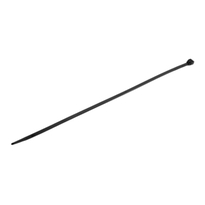
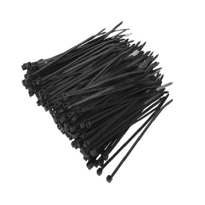
Securing the MLV with nylon cable ties ensures it remains in position, while sealing seams with tape prevents any potential sound leaks. Properly sealing all seams and joints further minimizes sound leaks, improving overall soundproofing effectiveness.
Constructing a timber frame around exposed pipes and filling it with acoustic mineral wool further reduces sound transmission. Additionally, applying self-adhesive materials like FlexiSound 5 can diminish both vibration and airborne noise.
Sealing and Airtightness
Sealing and airtightness are vital for enhancing the soundproofing of drainage pipes, as any gaps or leaks can enable noise to permeate through walls and floors. Effective sealing prevents sound from escaping through joints, seams, and pipe penetrations, which are common conduits for noise.
Utilising acoustic sealants, such as acoustic caulk, provides a flexible and durable solution, creating robust barriers at joints. Additionally, employing foam tape around pipe connections further enhances airtightness and reduces vibrations. Incorporating wraps like mass loaded vinyl, along with foam, significantly improves sound blocking while ensuring a snug seal.
It is essential to meticulously clean and dry surfaces prior to sealing, overlap materials at seams, and press wraps firmly to eliminate any potential gaps. By sealing all penetrations, the entire pipe system remains airtight, effectively minimising noise transmission.
Enhancing Low-Frequency Noise Attenuation With Decoupling Layers
Decoupling layers are essential for minimising low-frequency noise from drain pipes, particularly at frequencies below 500 Hz. These layers create a "double wall" effect by separating the pipe surface from the surrounding barrier material, which effectively limits vibrations and sound transmission.
Utilising materials such as closed-cell foam, which isolates vibrations and adds mass, enhances this noise attenuation. Thicker decoupling layers generally offer improved performance in blocking low-frequency sound.
The table below outlines some commonly used decoupling materials along with their benefits:
Material |
Thickness |
Benefits |
| Closed-cell polyurethane foam | Approximately 1/4 inch | Isolates vibrations, enhances soundproofing |
| Rockwool mineral wool batt | Varies, placed in joist bays | Absorbs low-frequency noise |
| Mass-loaded vinyl combined with foam | Varies, custom installation | Improves sound transmission class (STC) ratings below 500 Hz |
Incorporating these decoupling layers can significantly enhance the acoustic comfort of residential and commercial spaces by effectively reducing disruptive low-frequency noise.
Sealing Gaps and Penetrations to Prevent Sound Leakage
Gaps around pipes where they penetrate walls, floors, or ceilings often serve as direct pathways for sound to escape or enter a space. To prevent this, it's essential to seal these gaps thoroughly.
Acoustic sealants or caulks provide flexible, long-lasting seals that remain elastic despite temperature changes or building movements. Proper surface cleaning before application ensures a strong bond.
Acoustic sealants are more effective than standard options for blocking both airborne and impact noise. Foam seal tapes can also be used to fill small gaps around pipes, creating a dense barrier that minimises vibration transfer.
Additionally, wrapping penetrations with mass-loaded vinyl adds extra sound-blocking mass, particularly for low-frequency noise.
Combining these methods ensures airtight sealing, reducing sound leakage and enhancing overall soundproofing around drain pipes.
Decoupling Pipes From Structural Supports to Minimize Vibrations
Vibrations from pipes can propagate through a building’s structure, leading to noise and discomfort. To reduce this issue, it's vital to decouple pipes from structural supports.
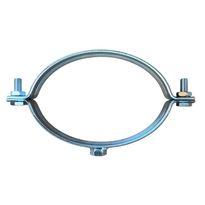
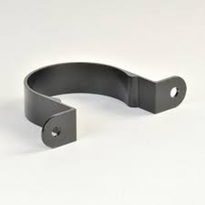
Employing flexible supports, such as rubber pads or neoprene sleeves, allows pipes to be suspended without rigid contact, thereby minimising vibration transfer. Adequate spacing of supports is important to prevent excessive movement and to regulate vibration frequency. Utilising resilient pads at contact points can effectively dampen vibrations.
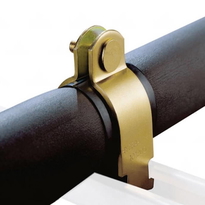
Support designs, including clevis hangers and riser clamps, often feature isolation methods to inhibit noise transmission. It is essential that supports accommodate thermal expansion and movement without rigid locking mechanisms, which can inadvertently transfer vibrations.
Proper installation practices, such as ensuring correct alignment and avoiding direct metal-to-metal contact, are crucial for optimal performance. Regular maintenance and inspection can help identify and address any issues that may compromise the isolation effectiveness over time.
These strategies collectively contribute to a quieter and more comfortable environment by preventing vibrations from travelling through the building’s structure.
Combining Materials and Methods for Maximum Noise Control
Combining various soundproofing materials and installation methods can significantly enhance noise reduction for drain pipes.
Employing layered strategies, such as using mass loaded vinyl alongside acoustic foam or insulation, creates a more robust barrier against sound transmission.
Proper installation techniques, including sealing gaps and securing materials firmly, are crucial to maximise the effectiveness of these soundproofing efforts.
Layered Material Strategies
Layered material strategies are crucial for achieving optimal noise control in drain pipe soundproofing. By combining various materials, one can enhance soundproofing effectiveness by tackling different aspects of noise transmission.
For instance, wrapping pipes with Mass Loaded Vinyl (MLV) creates a robust sound barrier, particularly when complemented by foam or fibreglass for decoupling.
Fibreglass composites, including quilted fibreglass and reflective films, are particularly effective in confined spaces and also provide thermal benefits. The use of closed cell foam around pipes helps to reduce vibrations and isolate sound effectively.
Materials like water-resistant options are ideal for damp environments, ensuring durability alongside soundproofing benefits.
Furthermore, applying acoustic sealants to fill any gaps is essential for maintaining airtightness, thereby preventing sound leaks.
Effective Installation Techniques
Effective installation techniques are crucial for maximising the noise reduction achieved through layered materials. Properly combining soundproofing methods can significantly diminish pipe noise and enhance comfort.
To ensure successful outcomes, consider the following essential practices:
Wrap pipes with heavy, airtight materials such as mass-loaded vinyl (MLV) combined with closed-cell foam to create a robust barrier.
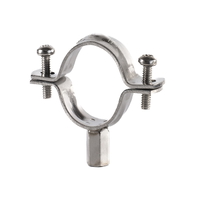
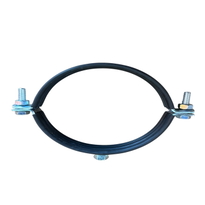
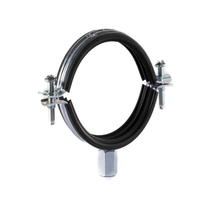
Employ sealants around pipe penetrations to effectively block sound leaks, and utilise vibration dampers like rubber-lined clamps to minimise rattling.
Fill wall cavities with soundproof insulation for enhanced sound absorption.
Install resilient channels or sound clips when hanging drywall to prevent structural vibrations from transmitting noise.
Measure and cut materials accurately to ensure tight wraps, sealing all gaps for optimum effectiveness.
Adhering to these methods not only improves soundproofing but also contributes to a more tranquil environment.
Common Challenges and Troubleshooting in Pipe Soundproofing
Effective soundproofing of drain pipes presents several common challenges that can diminish its overall effectiveness. The materials selected must be sufficiently heavy, such as closed cell foam combined with mass loaded vinyl (MLV), to effectively block low-frequency noise. Poor installation practices, along with gaps and incomplete sealing, can significantly weaken the soundproofing results, allowing sound to leak through.
Space constraints can hinder the proper implementation of vibration isolation clips or thick lagging, further reducing the soundproofing efficiency. It's essential to seal all cracks and joints with acoustic caulk, a step often neglected, yet crucial for optimal performance. Additionally, vibrations transmitted through hanger attachments and structural connections can exacerbate noise issues within the building.
Challenge |
Impact |
Inadequate material selection |
| Ineffective noise blocking | Improper installation | Gaps and leaks hinder effectiveness |
| Limited space | Challenges in fitting effective barriers | Absence of sealant or caulking |
| Sound escapes through gaps | Vibration transmission | Amplifies noise within the structure |
Assessing the Effectiveness of Your Drain Pipe Soundproofing Strategy
How can you determine if your drain pipe soundproofing strategy is working effectively?
One method is to listen for any changes in noise levels around the pipes. Pay attention to whether sounds have diminished, indicating that your soundproofing measures are having a positive impact.
Another approach is to check for sound leaks at joints and seams. Ensuring proper sealing is crucial, as even small gaps can significantly undermine your soundproofing efforts.
It is also advisable to verify compliance with recognised testing standards, which can provide a benchmark for the effectiveness of your soundproofing materials and installation techniques.
Regular inspections for any signs of cracks or damage to the materials used in your soundproofing system are essential. Over time, pipes can be susceptible to wear and tear, which may lead to reduced performance.
Lastly, ensure that your insulation is appropriately fitted and maintained. Well-installed insulation can greatly enhance the overall effectiveness of your noise reduction strategy.
Conclusion
Effective drain pipe soundproofing requires an understanding of noise sources, the selection of suitable materials, and the application of proper installation techniques.
Utilising the right combination of pipe wrapping, decoupling layers, and vibration control can significantly reduce noise levels emanating from drainage systems. Regular assessment of the effectiveness of these methods ensures sustained performance and comfort in the home.
Addressing common challenges promptly is essential to maintaining a quiet operation. A thoughtful approach to soundproofing leads to a quieter, more comfortable environment without the need for complex or costly solutions.
By prioritising effective soundproofing methods, you can create a more peaceful living space while enhancing the overall quality of your home.