
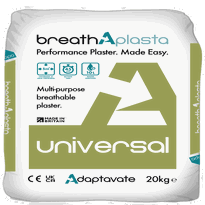
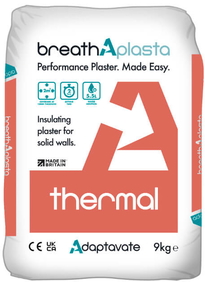
Insulating Plaster
Insulating plaster combines lightweight aggregates such as perlite or cork with binders like natural hydraulic lime, gypsum, or cement to enhance thermal performance and regulate moisture within walls. It offers low thermal conductivity, good vapour permeability, and sustainability benefits, making it suitable for energy-efficient and environmentally friendly construction in the UK.
Proper application is essential to maximise its effectiveness and durability. This involves careful surface preparation and the adoption of specific techniques during application to ensure a long-lasting finish. When installed correctly, insulating plaster can contribute significantly to reducing heat loss and improving overall building performance.
A detailed understanding of material choices, application methods, and environmental impacts is crucial for professionals and builders aiming to optimise insulation solutions. With its benefits for thermal regulation and sustainable building practices, insulating plaster continues to be a popular choice for modern, energy-efficient construction projects across the UK.
Composition and Material Choices
The composition and material choices for insulating plaster significantly influence its performance, longevity, and suitability for various applications across the UK. The selection of binders such as gypsum, lime, cement, or blends of these materials determines key qualities like breathability, setting time, and structural strength. For example, natural hydraulic lime (NHL 5) offers excellent breathability and moisture regulation, making it ideal for eco-conscious projects and historic building restoration. Gypsum-based plasters set quickly and provide a smooth finish but tend to be less permeable, which can affect moisture management. Cement binders, on the other hand, enhance hardness and durability, but may restrict vapour movement, impacting the overall breathability of the wall system. Aggregates like cork, perlite, vermiculite, and expanded polystyrene are incorporated to improve thermal insulation by reducing thermal conductivity. These lightweight materials help enhance the thermal efficiency of the plaster, contributing to lower U-Values and better energy performance within the building fabric. The choice and ratio of aggregates influence key property aspects such as moisture control, breathability, and compatibility with additives like fibres or bonding agents. Research indicates that proper material selection can also influence indoor air quality and VOC emissions. Careful consideration of these materials ensures the plaster performs effectively in its intended context, maintains durability over time, and aligns with sustainable building practices. Selecting appropriate combinations of binders and aggregates not only optimises thermal and moisture performance but also supports a healthier indoor environment, making it essential for builders and designers to prioritise quality and environmental impact in their material choices.
Thermal Performance and Insulation Capabilities
Insulating plaster derives its effectiveness primarily from its low thermal conductivity, which typically falls below 0.2 W/m·K. This minimises heat transfer between indoor and outdoor environments, helping to maintain comfortable indoor temperatures. Materials such as perlite-based plasters can achieve conductivities as low as 0.059 W/m·K, depending on their concentration. The inclusion of lightweight aggregates like perlite or pumice further reduces thermal conductivity, with perlite offering particularly notable benefits. Additionally, cement-based plasters supplemented with additives such as polypropylene fibres and foaming agents can attain a thermal conductivity near 0.08 W/m·K. These formulations also ensure mechanical strength and durability are maintained. It is important to recognise that real-world conditions can lead to increases in thermal conductivity of approximately 26 to 30% Environmental factors and moisture content can significantly influence, performance over time. Incorporating appropriate environmental considerations into design can help mitigate these effects. Therefore, design considerations should account for these performance variations to ensure the insulation remains effective over time.
Application Techniques and Suitable Uses
Applying insulating plaster demands careful attention to surface preparation, choice of application techniques, and adherence to manufacturer instructions to achieve optimal performance and durability. Proper surface cleaning involves removing dust, grease, and loose debris. For rough surfaces, light scratching or scoring may be required to improve adhesion. When applying insulating plaster, consider the following methods:
Manual Application
This involves mixing the plaster with suitable additives such as cork or straw fibres to enhance insulating properties. The plaster should be applied in multiple thin coats, each smoothed and levelled with tools like trowels or darbys to ensure an even finish. Patience during this process helps achieve a high-quality result. Creating a good bond between the plaster and the substrate is essential for durability.
Mechanical Spraying
This method provides a fast and efficient way to cover large areas. Mechanical spraying equipment can apply the plaster quickly, often requiring two or more coats to attain uniform insulation and surface texture. Proper technique and equipment calibration are essential for success.
Dot and Dab Fixing
Commonly used for attaching plasterboard or insulation sheets, this technique involves applying small dots of adhesive to the surface before pressing the panels into place. It ensures rapid securing while maintaining insulation properties and surface integrity.
Surface Finishing
Once the plaster has dried thoroughly, a protective skim coat or breathable paint can be applied. These finishes help protect the plaster, improve aesthetic appearance, and assist with moisture regulation. Adequate drying time must be observed before applying further treatments to prevent damage or compromise of the insulating layer.
Adhering to manufacturer guidelines and allowing sufficient drying time are crucial steps to ensure long-lasting results with insulating plaster. Properly applied, it enhances energy efficiency by reducing heat transfer through walls and ceilings, improving the overall thermal performance of the building. Considering insulation additives can further boost thermal performance and sustainability.
Physical Properties and Moisture Management
Understanding the physical properties and moisture management capabilities of insulating plaster is essential for selecting the appropriate formulation and ensuring its long-term performance.
These plasters typically have a low relative density, around 0.5 to 1.2 g/cm³, achieved through lightweight aggregates such as perlite or cork. Their thermal conductivity ranges from approximately 0.074 to 0.16 W/mK, significantly lower than standard plasters, enabling effective insulation even in thin layers.
Many insulating plasters exhibit higher vapour permeability, facilitating wall breathability and moisture regulation, thanks to hygroscopic materials such as hemp fibres. This permeability helps prevent moisture buildup within walls, reducing the risk of mould growth and structural damage. Additionally, they can absorb around 28.8% of water, with additives like animal hair helping to reduce cracking.
Proper moisture management is vital to prevent water retention that could impair thermal performance or cause frost damage, thereby ensuring durability and sustained insulation efficiency. Recognizing the moisture transfer properties of insulating plaster is crucial for avoiding issues related to dampness and ensuring the longevity of the wall systems.
Environmental Benefits and Sustainable Developments
Growing concerns about climate change and environmental sustainability have prompted regulatory and market forces within the UK to increasingly prioritise the development and adoption of eco-friendly insulating plasters. These materials play a vital role in reducing the overall carbon footprint of buildings and fostering sustainable construction practices.
In particular, they offer several benefits:
Significant market growth is anticipated, with the value projected to rise from approximately £800 million in 2025 to over £1.5 billion by 2035. This expansion is driven by stringent energy efficiency standards and building regulations aimed at reducing greenhouse gas emissions.
Government incentives and policies actively promote the use of recyclable, low-carbon materials in construction, creating additional motivation for industry stakeholders to adopt environmentally friendly insulation solutions.
Emerging markets within the UK and the wider European region present notable opportunities, especially where stricter environmental policies and sustainability commitments are being implemented.
Certification schemes such as BREEAM and the UK Green Building Council standards influence the demand for greener alternatives in both new builds and retrofit projects, encouraging compliance with sustainability goals.
The increasing integration of digital technologies is enabling better monitoring and management of insulation performance, supporting sustainable building practices and increasing market adoption.
Incorporating innovative materials such as bio-based fibres and phase-change additives further enhances environmental advantages, supporting resource efficiency and boosting the performance of buildings throughout their lifecycle.
Conclusion
Insulating plaster provides an effective solution for enhancing thermal performance in building walls through its carefully selected composition and application techniques. Its physical properties allow for moisture regulation and durability, whilst sustainable materials contribute to environmental benefits. A thorough understanding of its characteristics ensures its optimal use, maximising insulation efficiency and long-term energy savings. Precise application and appropriate material selection are essential for achieving the desired results, making insulating plaster a practical and dependable choice for improving building insulation in various construction and renovation projects.