


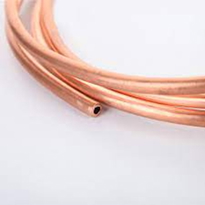
Soundproofing Wrap for Pipes
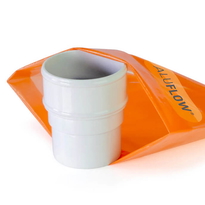
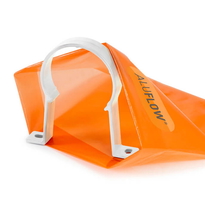
Pipe soundproofing wraps, such as mass-loaded vinyl (MLV) and foam layers, are specifically designed to diminish noise by adding mass and absorbing sound energy around pipes. These materials are most effective when installed correctly, covering the entire surface area, and are particularly efficient against high-frequency sounds.
There are various types of soundproofing wraps that cater to different pipe materials, including PVC, copper, and steel, ensuring effective noise control across diverse applications.
To optimise your soundproofing efforts, it is beneficial to explore additional methods and best practices that can enhance the overall effectiveness of your installation.
Materials and Technologies in Pipe Soundproofing
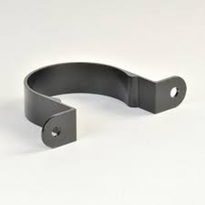
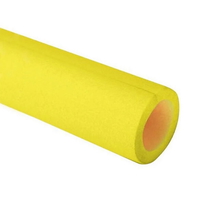
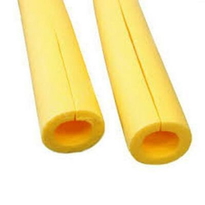
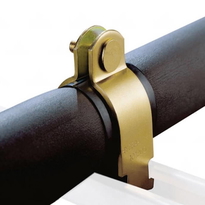
Materials and technologies utilised in pipe soundproofing are specifically designed to effectively diminish noise transmission. Mass-Loaded Vinyl (MLV) pipe wraps, constructed from high-density vinyl, add mass to pipes, thereby blocking sound. These wraps are flexible and straightforward to install around various types of piping. They're often combined with decouplers made from materials such as fibreglass or foam, which absorb both airborne and structure-borne noise. Mass-Loaded Vinyl is widely regarded as one of the most effective soundproofing materials for pipe insulation. Acoustic foam layers and fibreglass batting are instrumental in absorbing a wide range of sounds, from low to high frequencies, while also providing thermal insulation. To further mitigate noise, rubber-lined clamps and vibration dampers are employed, particularly effective in reducing vibrations and mechanical noise in water pipes. Acoustic sealants and caulks serve to seal gaps and joints, preventing any noise leaks that may occur. Lastly, multi-layer composites that combine mass, absorption, and isolation layers create durable wraps capable of effectively blocking various sources of noise.
How Effective Are Pipe Wraps? Noise Reduction Insights
Pipe wraps can be effective in reducing noise, although their level of efficiency can vary based on various factors. Generally, they can diminish sound levels, providing some improvement, but may not completely eliminate louder noises. Materials such as mass-loaded vinyl, when combined with decouplers like fiberglass or foam, tend to yield better results, particularly for high-frequency sounds. Standard wraps are more adept at addressing higher frequency noises rather than low-frequency disturbances, such as water flowing or pipes banging. Durability is also a key consideration, as many wraps maintain their effectiveness even at elevated temperatures. The type of piping involved can significantly influence the outcomes; for instance, PVC and ABS pipes can be more challenging to soundproof, whereas cast iron has natural sound-dampening properties. For optimal effectiveness, ensuring complete coverage and proper installation are essential in achieving the best results in noise reduction. Proper installation techniques significantly impact how well the wrap performs in real-world situations.
Compatibility of Soundproofing Wraps With Different Pipe Types
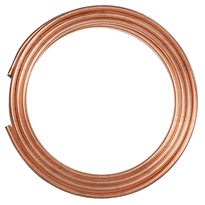
Have you ever considered why certain soundproofing wraps are more effective on specific pipes? The material of the pipe plays a significant role in the performance of these wraps, ensuring effective noise reduction and durability. - PVC pipes are well-suited to vinyl wraps, which easily conform to their shape and can be secured with zip ties or adhesive tape. - Cast iron pipes benefit from mass loaded vinyl (MLV) wraps, often enhanced with foam layers to minimise vibrations. - Copper pipes are compatible with adhesive-backed wraps, allowing for straightforward application around expansion joints due to their flexibility. - Steel pipes, including galvanised or black steel, are best paired with acoustical duct wraps that resist corrosion and effectively manage temperature fluctuations. Pipe material influences the choice of soundproofing wrap, as different materials respond uniquely to various types of noise and environmental stresses. Selecting the appropriate wrap depends on the type of pipe, as compatibility is key to achieving optimal noise control and longevity. This knowledge fosters a sense of community among homeowners and DIY enthusiasts in the UK, helping them to create quieter living spaces.
Step-by-Step Installation and Best Practices
Proper installation of soundproofing wraps is crucial for achieving effective noise reduction and ensuring long-lasting performance.
Begin by thoroughly cleaning the pipes to remove any dirt, dust, and moisture, which will help promote good adhesion. Allow the pipes to dry completely before applying the wrap to prevent moisture from becoming trapped underneath.
Carefully measure the length of the pipe, including any joints and bends, and cut the soundproofing material—such as foam or vinyl—to size. Ensure to allow for an overlap to guarantee full coverage. This step helps prevent sound leaks and ensures complete coverage of the pipe surface.
Start wrapping at one end of the pipe, ensuring the material is kept taut without being overstretched. It's advisable to use overlaps of at least 50 mm to minimise any potential sound leaks.
Secure the wrap using nylon cable ties or zip ties at regular intervals and seal the seams with tape.
Regular inspections of the installation are important. Reapply ties or tape as necessary to maintain optimal soundproofing effectiveness.
Overcoming Challenges and Maximizing Sound Control
Achieving effective sound control when wrapping pipes involves tackling several common challenges that can diminish noise reduction performance.
Low-frequency noise, vibrations, space constraints, and material limitations all affect soundproofing efficacy. To effectively address these challenges:
Utilise heavier mass loaded vinyl (MLV) wraps for low-frequency noise, as lightweight materials often prove inadequate.
Incorporate decoupling layers, such as closed-cell foam, to minimise vibration transmission.
Choose space-efficient materials and layering techniques that strike a balance between soundproofing and accessibility.
Select materials that comply with both thermal and fire safety standards, particularly in commercial or industrial settings.
Follow local building codes and regulations to ensure proper installation and safety compliance.
Conclusion
Soundproofing wraps for pipes offer an effective solution for reducing noise, employing a range of materials and technologies specifically designed for various pipe types. Ensuring proper installation, considering compatibility, and addressing potential challenges are essential for achieving optimal noise control.
When applied correctly, these wraps can substantially diminish operational sounds, enhancing overall comfort in living and working environments. Familiarity with the available options and best practices enables homeowners and professionals alike to attain a quieter atmosphere. This makes pipe soundproofing a valuable and practical approach to managing noise in both residential and commercial settings.
By investing in soundproofing wraps, individuals can create a more pleasant environment, free from disruptive pipe noises. Understanding the unique characteristics of different soundproofing materials will further aid in selecting the most effective solution for specific needs.