
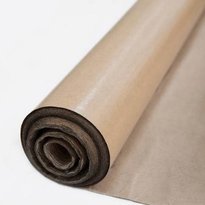
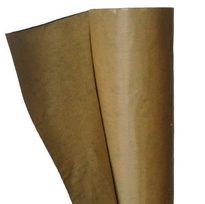
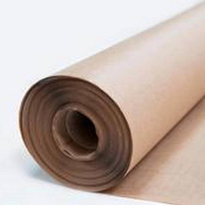
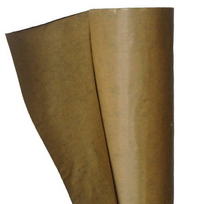
Garden Shed Lining Paper
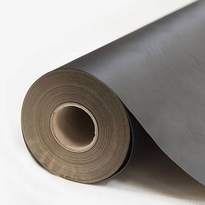
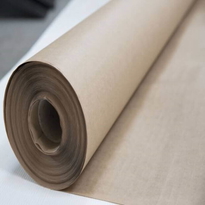
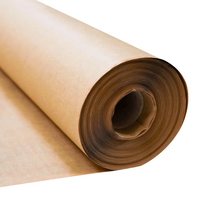
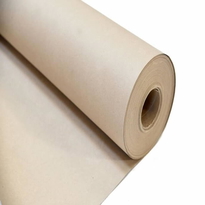
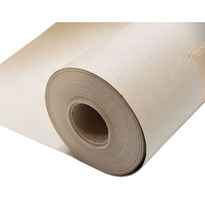
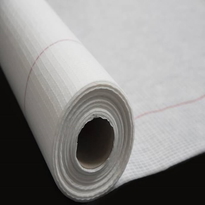
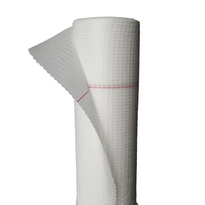
Garden shed lining paper is a protective material primarily crafted from kraft paper, reinforced with bitumen and fibreglass or polyester mesh. This combination provides excellent waterproofing and tear resistance, ensuring that moisture, wind, and dust do not compromise the shed’s interior. Importantly, it also allows vapour to escape, thereby enhancing ventilation.
This lining is straightforward to install and significantly boosts the durability of your garden shed. By using lining paper, you can effectively reduce the risk of mould growth and extend the lifespan of your shed.
For those looking to enhance their shed's resilience and protect their belongings, exploring various options and tips on garden shed lining paper can provide valuable insights.
Understanding the Composition of Shed Lining Paper
Garden shed lining paper is specifically crafted to serve as a protective barrier against the elements, including rain, wind, and dust.
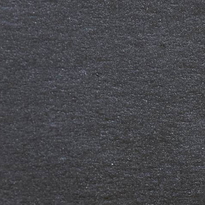
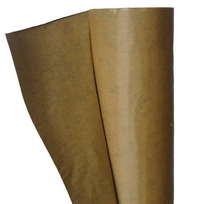
It's primarily composed of kraft paper, known for its strength and flexibility. To enhance its waterproof qualities, it's reinforced with bitumen, a substance derived from petroleum or coal tar, effectively preventing moisture from penetrating the material.
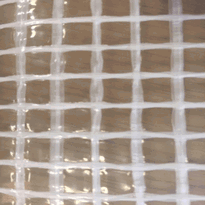
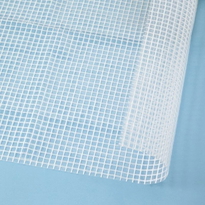
In addition, the lining paper incorporates a scrim laminate, made from either fiberglass or polyester mesh. This feature provides added tear resistance and ensures the stability of the material over time.
With a weight that balances durability and ease of handling, this lining paper is designed to perform well in various conditions.
Manufactured in accordance with established standards, it meets the necessary performance requirements for windproofing and waterproofing. It is also designed for easy installation, reducing preparation time for DIY projects.
This thoughtful composition enables the shed to withstand outdoor conditions, ensuring long-lasting protection for garden structures.
Key Benefits for Garden Structures
Applying lining paper in garden structures provides significant benefits by improving weather resistance and safeguarding against dust, wind, and rain that can lead to damage over time. It plays a crucial role in controlling moisture and condensation, which helps prevent mould and structural decay, ensuring the interior remains dry and secure. Furthermore, lining paper is straightforward to install, making it an effective solution to reinforce walls while creating a clean, polished surface inside sheds or workshops. This simple enhancement not only contributes to the longevity of the structure but also promotes a more pleasant working environment. Reinforcement within the paper ensures strength for long-term usage, further protecting your garden building from external elements.
Weather Resistance Enhancement
Enhancing weather resistance is vital for protecting garden structures from the damaging effects of exposure to the elements. Weather-resistant barriers, such as fluid-applied membranes, create seamless, joint-free layers directly on shed exteriors, significantly reducing the risk of water penetration. These membranes allow vapours to escape, enabling sheds to breathe while remaining safeguarded against moisture. They perform exceptionally well in regions prone to heavy rainfall and strong winds, maintaining a tight seal that preserves the integrity of the shed. When applied and maintained correctly, these barriers can provide long-lasting durability, often outlasting traditional alternatives. Although the initial investment may be higher, they typically require less upkeep over time. Proper installation and regular maintenance are key factors in extending the lifespan of these barriers. Ultimately, weather-resistant linings enhance the resilience of sheds, equipping them to withstand harsh outdoor conditions and ensuring their structural health is preserved for years to come.
Structural Moisture Protection
Moisture protection is vital for prolonging the lifespan of garden structures. By preventing moisture infiltration, you can avoid problems such as mould, wood rot, and damage to items stored within sheds. The use of vapour barriers and damp-proof membranes effectively minimises ground moisture from rising into wooden components. Proper insulation materials help maintain consistent internal temperatures, further reducing condensation risks. Applying waterproof wood sealers and copper-based preservatives provides essential protection for floor joists and plywood against moisture damage. Elevating shed floors on concrete piers or gravel enhances airflow and reduces moisture accumulation. Furthermore, incorporating pest deterrent meshes and borate treatments helps safeguard against insects that thrive in damp conditions. These strategies ensure the structural integrity of sheds, allowing them to endure the test of time. Regular maintenance of moisture protection measures plays a crucial role in minimising costly repairs, making garden structures not only more durable but also secure for everyone who enjoys their outdoor space.
Easy Installation Benefits
One of the key benefits of garden shed lining paper is its effortless installation. The lightweight nature of lining paper ensures that it can be handled and positioned without the need for heavy equipment or significant strength, making the entire process straightforward. Most installations simply require measuring, cutting, and attaching with staples or adhesive, which significantly reduces time and effort. There’s no requirement for specialised skills such as carpentry or electrical work. Pre-cut and pre-treated sheets make it easy to fit even irregular shed interiors, and the process dries quickly, allowing the project to be completed in no time. Basic household tools, such as a utility knife, measuring tape, and staple gun, are all that’s needed to finish the job. Felt paper is impregnated with tar, which helps to further protect the shed interior from moisture and weather damage. This simplicity encourages DIY enthusiasts to enhance their shed’s interior with minimal expense and effort. With the right materials, transforming your garden shed has never been easier.
Suitable Applications and Installation Tips
Garden shed lining paper is commonly employed to shield outdoor structures from weather-related damage, thereby enhancing their longevity. It serves as an effective barrier against dust, wind, and rain, making it ideal for use in sheds, log cabins, and summer houses.
When installing, it's crucial to secure the lining properly using double-sided tape on timber battens. Ensure that overlaps are sealed with single-sided tape to maintain waterproofing. To avoid wrinkles, it's important to keep a consistent tension during installation, and if insulation is present, install the lining on the cold side.
Key installation tips include:
Utilise robust tape to secure seams
Overlap panels correctly
Prevent wrinkles throughout the process
Adhere to the manufacturer's guidelines closely
This method not only extends the life of uninsulated buildings but also creates a dependable weatherproof barrier, resulting in a sturdy, protective environment for your outdoor structures.
Comparing Shed Lining Paper With Other Membranes
When comparing shed lining paper with other membranes, durability and reinforcement are essential factors to consider. Shed lining paper is lightweight and provides limited strength, making it less suitable for long-term structural support. Building paper, for example,, is often designed to withstand more demanding conditions and can contribute to better overall protection. In contrast, many membranes are specifically designed to endure harsher conditions and offer additional reinforcement, which can be crucial depending on the requirements of the structure.
Choosing the right material for your shed can significantly impact its longevity and performance. While shed lining paper may be adequate for basic insulation or aesthetic purposes, other membranes may be more appropriate for areas exposed to moisture or extreme weather.
It's important to evaluate not only the initial cost but also the long-term benefits of your chosen material. Investing in a more robust membrane can save you money in the long run by reducing the need for repairs or replacements.
Ultimately, the right choice will depend on the specific needs of your shed and the conditions it will face. Always consider the demands of your environment and the intended use of the space when making your selection.
Durability and Reinforcement
While shed lining paper is lightweight and easy to install, it offers limited durability compared to other roofing membranes. Its thin and fragile nature makes it prone to tearing, punctures, and damage from weather or impact.
In contrast, reinforced shed felts contain additional fibre and bitumen, providing enhanced strength and a significantly longer lifespan. Rubber roofing sheets, such as EPDM, are thicker and elastomeric, making them highly resistant to wear, UV rays, and harsh conditions.
Corrugated roofing materials, including bitumen sheets, are even more robust and can withstand long-term outdoor exposure. These options deliver superior reinforcement, durability, and longevity, ensuring stronger protection and peace of mind for your shed.
Thicker, more resistant materials
Extended lifespan with reinforcement
Improved weather resistance
Reduced risk of tearing and damage
Suitability for Structures
Shed lining paper is frequently selected for its affordability and easy accessibility, making it ideal for straightforward projects and temporary applications. It offers basic moisture resistance but lacks the necessary strength for long-term structural support. In comparison to membranes such as adhesive underlay or specialised vapour barriers, paper is generally less durable and more susceptible to damage, particularly when exposed to moisture or outdoor conditions. While it's cost-effective and quick to install, shed lining paper is primarily suited for interior lining or short-term uses. Membranes provide superior resistance to tearing, UV damage, and weathering, making them more suitable for the structural requirements of outdoor sheds that need to endure the elements over time. Additionally, shed lining paper's fragility in moist conditions makes it unsuitable for prolonged outdoor exposure, which can compromise the integrity of the shed's structure.
Market Options and Consumer Feedback
Market options for garden shed lining paper are diverse, with Novia 509B emerging as a preferred choice among consumers in the UK. This product features a robust design, utilising reinforced kraft paper, scrim laminate, and bitumen layers, making it ideal for uninsulated structures such as sheds and stables. Its dimensions of 1.8m x 50m provide ample coverage for various projects. Consumers highly regard Novia 509B for its moisture resistance and windproofing capabilities. Many have noted its ease of installation and strong protective qualities, contributing to its impressive ratings. The lining paper is widely available through insulation shops, often with convenient delivery options. While it may be priced slightly higher than some alternatives, customers appreciate the quality and performance it offers. The product is compliant with BS 1521 grade B1F standards, ensuring reliable fire safety. Its versatility makes it suitable for various types of garden buildings, ensuring that it meets the needs of those looking for reliable, protective lining solutions. This combination of features positions Novia 509B as a top choice for individuals seeking effective and durable lining options for their garden spaces.
Tips for Choosing the Right Lining Material
Choosing the right lining material is essential for ensuring long-lasting protection and optimal performance of your shed. Several key factors should guide your decision.
Firstly, consider the climate and weather conditions. In areas with high humidity, moisture-resistant options like Sisalation Foam Cell Liner can help prevent issues such as mould and rot. Conversely, in cooler climates, thicker insulation materials can keep your shed warm and energy-efficient.
Durability is another critical consideration. Engineered woods, such as LP SmartSide, are designed to resist impacts and deter pests, thus extending the lifespan of your structure. In contrast, cheaper materials like OSB may be more susceptible to moisture damage, which could compromise the integrity of your shed over time.
Insulation qualities shouldn't be overlooked either. Foam liners, for instance, provide excellent thermal and moisture barriers, making them ideal for versatile shed applications.
Additionally, the environmental impact of your chosen materials is important. Eco-friendly options, such as upcycled pallet wood and sustainably sourced engineered wood, align with green building practices and contribute to a more sustainable future.
Finally, proper installation and regular maintenance are crucial. These steps help to ensure that your shed remains protected and functional for many years to come.
Conclusion
Selecting the appropriate shed lining paper is essential for ensuring your garden structure remains in optimal condition. Understanding the materials, advantages, and suitable applications of lining paper will help you make an informed choice.
Shed lining paper provides effective moisture control, safeguarding your tools and equipment from dampness. It enhances the durability of your shed by offering protection against wear and tear, thus prolonging its lifespan.
When exploring various options, it’s important to compare the features and benefits of each type of lining paper. This will allow you to find the best match for your specific requirements and budget.
Reading customer reviews and feedback can offer valuable insights into the performance of different products, guiding you towards a more informed decision.
With careful selection and proper installation techniques, shed lining paper can ensure your garden shed remains dry, secure, and functional for years to come. This investment not only protects your belongings but also contributes to the overall longevity of your garden structure.