
Tar Paper on Walls
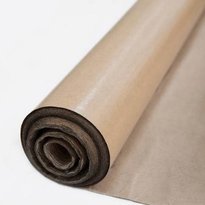
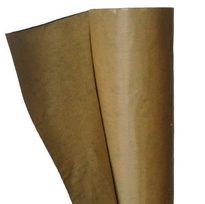
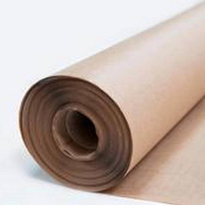
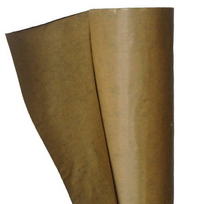
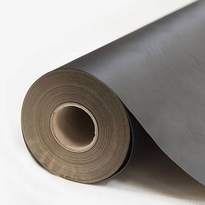
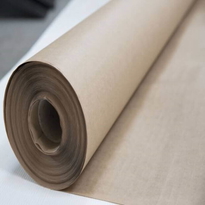
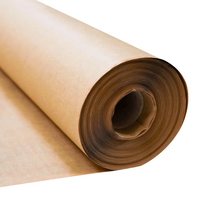
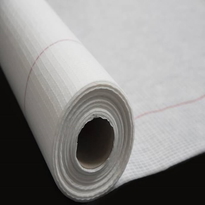
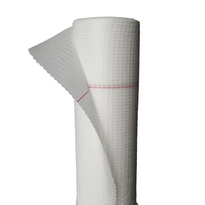
Tar paper, composed of impregnated kraft paper or synthetic materials, serves as a moisture barrier on walls by preventing water infiltration and safeguarding underlying materials. It effectively minimises leaks, reduces the risk of mould, and provides a layer of weather resistance.
Proper installation is crucial; ensuring overlaps and sealing will enhance its performance. Although it may not be as advanced as modern housewraps, tar paper remains a practical solution for specific situations, particularly when basic moisture protection is required.
Understanding how to maximise its effectiveness and exploring alternatives can further improve your building's resilience against the elements.
Composition and Material Properties of Tar Paper
Tar paper is a widely used material in roofing and wall construction due to its waterproof qualities and durability.
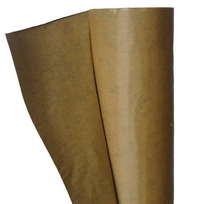
It's primarily composed of a base material, such as virgin kraft paper, which is impregnated with asphalt or tar, resulting in a robust, waterproof sheet.
Modern variants often utilise fiberglass fleece or polyester fibres, enhancing strength and resistance to tearing and weather damage.
Organic roofing felts, made from recycled rags soaked in asphalt, maintain traditional characteristics but tend to have shorter lifespans.
Synthetic bases, such as fiberglass or polyester, provide even greater durability.
The waterproof nature of tar paper is largely attributed to the asphalt impregnation, which saturates the base and forms a heavy-duty, moisture-resistant barrier.
This composition ensures that tar paper effectively protects structures from water ingress while allowing vapour to escape, making it a reliable choice for construction projects in the UK.
How Tar Paper Acts as a Weather-Resistant Barrier
Tar paper, crafted to resist water intrusion, serves as a vital barrier that protects building structures from moisture damage.
It functions as an additional line of defence by minimising water penetration through primary surfaces like roofing shingles or stucco.
When installed, the sheets overlap downwards, creating a seamless layer that channels water away from the walls.
While not entirely waterproof, tar paper significantly reduces moisture entry, safeguarding materials such as plywood or sheathing from deterioration.
It also offers protection to roof sheathing against wind-driven rain and prevents water back-up caused by ice dams.
By acting as an extra layer of defence against wind, rain, and snow, tar paper enhances the durability of exterior walls.
Its vapour-permeable characteristics allow moisture to escape, maintaining a balanced, weather-resistant barrier that effectively safeguards structures.
Proper installation ensures the tar paper performs optimally over its lifespan, preventing premature deterioration and maintaining its protective qualities.
Benefits of Using Tar Paper in Building Walls
Tar paper provides a cost-effective solution for constructing walls, as it's more affordable and simpler to install compared to many contemporary materials. Its established capacity to resist moisture aids in protecting structures over time, making it a dependable choice for builders. Additionally, tar paper acts as a barrier against air infiltration, which helps reduce energy consumption by maintaining indoor temperatures more effectively. Furthermore, the uncomplicated application process allows for significant savings in both time and labour, rendering it a practical option for various construction projects. In addition to its moisture-resistant properties, tar paper also acts as a barrier against air infiltration, contributing to improved energy efficiency in buildings. This feature is particularly beneficial in the UK, where weather conditions can be unpredictable. Moreover, tar paper is lightweight, making it easier to handle and transport on construction sites. Its versatility means it can be used in a range of applications, from roofing to wall sheathing, further enhancing its appeal to builders and contractors.
Cost-Effective Barrier Solution
Among various building materials, tar paper is recognised as a cost-effective solution for wall barriers. It's significantly cheaper than modern synthetic housewraps, making it an economical choice for many construction projects. The production of tar paper is efficient, as it's made from recycled cotton rags and asphalt, materials that are readily available. Since it has been produced for over a century tar paper showcases a long history of reliable use in construction. The versatile nature of tar paper, suitable for both roofing and wall applications, allows builders to purchase in bulk, resulting in further savings. Installation is straightforward and requires only basic tools, with fewer material layers needed compared to alternative barrier systems. While it may be less durable over time, the initial low cost often offsets this limitation. When installed correctly and adequately covered, tar paper provides a reliable and affordable barrier, contributing to reduced overall construction costs.
Proven Moisture Protection
Moisture protection is a crucial advantage of using tar paper in the construction of building walls. It serves as a water-resistant barrier, safeguarding wall sheathing and framing from rain, snow, and external moisture, which significantly aids in preventing leaks and damage. Up to 70% of premature roof failures are due to water infiltration, underscoring the importance of effective moisture barriers like tar paper in maintaining structural integrity. By keeping moisture at bay, tar paper diminishes the risk of mould, mildew, and fungal growth, thereby protecting wooden components from rot and decay. Although it isn't entirely waterproof, it provides an additional layer of defence beneath exterior cladding, enhancing overall moisture protection. Synthetic alternatives offer improved water resistance, particularly during severe weather conditions. Furthermore, tar paper functions as a vapour barrier, allowing some moisture vapour to escape while obstructing liquid water. This balance is essential for keeping walls dry, preventing long-term deterioration, and ensuring healthier, more resilient structures.
Easy to Install
Installing tar paper is generally quick and manageable, making it a popular choice for wall construction. Its lightweight design allows workers to easily carry and position sheets, particularly as it conforms to uneven surfaces. The straightforward fastening methods with staples or nails require no specialised equipment, and the material can be effortlessly cut with a utility knife, which accelerates the installation process. Packaging in large rolls aids in controlling unrolling and placement, enhancing workflow. Proven track record of performance, indicating its reliability in various construction settings.
Advantage |
Explanation |
| Easy handling | Lightweight and flexible for quick installation |
| Simple fastening | Common tools like nails and staples are sufficient |
| No special training | Clear steps and visual cues ensure accessibility |
| Cost-effective | Lower material and labour costs |
| Compatibility | Works well with various sidings and insulation |
This makes tar paper an ideal choice for those looking to achieve efficient, effective wall construction in a timely manner.
Limitations and Challenges With Tar Paper
Tar paper presents several limitations that may impact its performance over time. Prolonged exposure to sunlight can cause ultraviolet rays to weaken the material, resulting in cracks and a decrease in durability. UV degradation Furthermore, tar paper has the potential to trap moisture beneath it, which can heighten the risk of mould and decay if not managed appropriately. It is essential to consider these factors when opting for tar paper as a roofing or insulation solution, as neglecting proper installation and maintenance can lead to significant issues down the line.
UV Degradation Risks
UV exposure presents a considerable challenge to the durability of tar paper utilised on walls, particularly when it remains uncovered for prolonged periods.
UV radiation induces chemical alterations in the asphalt, resulting in molecular breakdown and cross-linking that render the material brittle. Over time, this diminishes the paper's strength and flexibility, heightening the risk of cracks and tears.
The integrity of the surface can deteriorate through delamination and layer breakdown, jeopardising its capability to protect against moisture. External factors, such as heat, exacerbate these effects, shortening the expected lifespan of tar paper and causing it to weaken more rapidly than anticipated.
Unlike synthetic alternatives, traditional tar paper offers minimal UV resistance, meaning that exposed installations can deteriorate swiftly. This susceptibility increases the likelihood of leaks and structural damage if not adequately protected.
UV rays measured in nanometers; shorter wavelengths have higher energy and damage potential. To ensure longevity, it's crucial to consider protective measures against UV degradation when installing tar paper, thereby safeguarding the integrity of the structure.
Moisture Trapping Issues
Moisture trapping presents a significant challenge when utilising tar paper on walls. While its vapour permeability allows some vapour to escape, it doesn't effectively prevent liquid water from penetrating. Although tar paper can help minimise moisture accumulation compared to plastic barriers, it's less efficient than modern housewraps in managing moisture effectively. If water infiltrates behind the tar paper, it can be absorbed, resulting in delayed drying and temporary moisture retention. This trapped moisture can foster the growth of mould, lead to wood rot, and ultimately cause structural damage over time. In humid or wet conditions, moisture may struggle to evaporate if barriers inhibit airflow. Improper installation or placement of vapour barriers can exacerbate these issues, particularly in spaces such as basements. Tar paper's vapor permeability may vary depending on quality and age, which can influence its effectiveness as a moisture barrier. Consequently, moisture trapping remains a critical limitation of tar paper, significantly affecting the long-term health of walls.
Proper Installation Techniques for Tar Paper
Proper installation of tar paper is essential to ensure it functions effectively as a weather-resistant barrier. To achieve this, follow these key steps:
Begin by hanging the tar paper from the bottom to the top, ensuring that each sheet overlaps the one below by at least 50mm to facilitate proper water shedding.
It is important to maintain vertical overlaps of at least 150mm and secure the paper with nails or staples spaced approximately 300mm apart to prevent tearing.
Keep the paper flat against the sheathing, avoiding any wrinkles or gaps. Use flashing tape at openings, corners, and penetrations to seal joints effectively.
Planning ahead and handling tar paper with care is crucial to prevent damage and ensure durability. Proper measurements and secure fastenings create an effective barrier that protects the wall and maintains the integrity of the building.
Comparing Tar Paper to Modern Housewraps
Modern housewraps have become a popular alternative to traditional tar paper in the UK due to their lightweight design and ease of installation. Unlike tar paper, which is composed of organic materials like felt saturated with asphalt, housewraps are typically made from synthetic materials, often utilising polypropylene fibres.
One of the key advantages of housewraps is their breathability, allowing moisture vapour to escape more effectively and thereby reducing the risk of trapped humidity within walls. Additionally, housewraps exhibit greater resistance to UV damage, enabling them to remain on-site for longer periods before being covered.
These modern materials are also easier to handle, often available in wider rolls, which facilitates quicker installation with fewer seams.
While tar paper provides robust water resistance and can absorb some moisture to assist in drying, housewraps block water while permitting vapour to pass through, thereby enhancing overall moisture management.
Both materials play significant roles in construction, but modern housewraps offer improved breathability and handling, making them a favoured choice among builders and contractors in the UK.
Maintenance and Longevity of Tar Paper Barriers
Tar paper barriers on walls require regular maintenance to ensure they remain effective over time. Proper upkeep helps prevent early deterioration and extends their lifespan.
To maintain tar paper effectively, consider the following steps:
Inspect annually or after severe weather for cracks, tears, or signs of damage.
Reapply or patch any compromised areas promptly to restore waterproof protection.
Remove debris such as leaves and branches to prevent moisture buildup and minimise damage.
Exposure to extreme weather, including moisture and UV rays, accelerates wear, particularly if tar paper is left unprotected.
Installing higher-quality materials or synthetic underlayments can enhance durability.
Regular maintenance, combined with proper installation, ensures that tar paper remains a reliable barrier, fostering a sense of safety and belonging within the home.
Situations Where Tar Paper Remains a Practical Choice
In numerous construction and renovation projects, tar paper remains a practical choice due to several key advantages. Its low cost makes it particularly suitable for ventures with tight budgets, allowing builders to save money or allocate funds elsewhere.
Improvements in manufacturing have resulted in modern tar paper being lighter and more affordable than older versions, facilitating easier installation and further reducing costs. This material is familiar to many contractors, streamlining the installation process and minimising errors, especially in quick or straightforward projects.
Tar paper also complies with various building regulations, making it a reliable option for both new builds and renovation work. It performs effectively in moderate climates, offering moisture resistance and breathability to help prevent mould growth.
Furthermore, it's often used as a temporary measure during construction phases, providing an inexpensive and efficient barrier before final cladding or roofing is added.
Conclusion
Tar paper continues to be a practical choice for constructing walls as it effectively prevents moisture ingress and enhances durability when installed correctly. While there are modern alternatives available, the affordability and reliable performance of tar paper maintain its relevance, particularly in specific scenarios.
Proper installation and regular maintenance are crucial for ensuring its longevity, making it a trustworthy weather-resistant barrier. Ultimately, understanding the advantages and limitations of tar paper assists builders in making informed choices regarding its application in construction projects.
This traditional material remains a staple for many, providing peace of mind when it comes to safeguarding structures against the elements.