


Waste Pipe Sound Insulation
Waste pipe sound insulation is essential for minimising noise from plumbing systems, addressing common disturbances such as gurgling, banging, or squealing sounds. Materials like cast iron pipes are effective at reducing noise due to their density, while additional options such as foam, mass-loaded vinyl, and rubber grommets serve to block airborne and vibration noise.
To enhance effectiveness, proper installation is crucial. This includes securing fittings, insulating pipes, and decoupling vibrations. By understanding these insulation options, one can achieve a quieter environment. Exploring these techniques further reveals key strategies for optimal soundproofing, ensuring that your home remains a peaceful sanctuary.
Understanding Noise Sources in Waste Plumbing
Understanding the sources of noise in waste plumbing is vital for identifying and resolving common issues. Gurgling sounds often occur when vent pipes are obstructed or sewer lines are blocked, which disrupts airflow and the flow of wastewater. Proper venting is essential to allow air to circulate freely, preventing pressure build-up and noise. Banging or hammering noises arise from water hammer, a phenomenon where sudden stops in water flow create a shock wave within the pipes. Whistling or squealing sounds can be attributed to worn washers, high water pressure, or mineral deposits narrowing pipe passages. Bubbling noises and slow drainage may indicate partial blockages in vents or drains. Additionally, vibrating or humming sounds can result from excessive water pressure or loose fittings. These noises typically signal air and water flow problems, frequently caused by obstructions or improper venting. This underscores the importance of regular maintenance to minimise noise and prevent potential damage to your plumbing system.
Benefits of Cast Iron Pipes for Sound Reduction
Cast iron pipes are renowned for their outstanding capability to minimise plumbing noise, making them a preferred option in various types of buildings across the UK. Their dense mass and sound-absorbing qualities make them significantly more effective at reducing noise compared to PVC pipes. Cast iron pipes can achieve remarkably low noise levels, while PVC tends to produce higher sound levels under similar conditions. Often referred to as “quiet pipe™,” cast iron effectively dampens sounds generated by water flow, particularly in multi-storey buildings. The unique graphite microstructure of these pipes absorbs vibrations, while the incorporation of neoprene gaskets ensures that sections don't come into direct contact, further lessening noise transmission. Graphite flakes in cast iron reduce vibrations and noise, enhancing sound attenuation. In comparison to all-plastic systems, cast iron pipes offer a dramatic reduction in sound, enhancing comfort and alleviating stress for occupants. Their robust durability guarantees long-lasting sound insulation, solidifying their reputation as the leading choice for noise reduction in plumbing systems.
Popular Materials for Insulating Waste Pipes
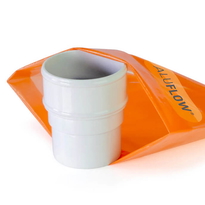
Mass-loaded vinyl is a popular choice for insulating waste pipes as it creates a heavy, airtight barrier that effectively blocks noise, particularly low-frequency sounds. Mass-loaded vinyl is also highly durable, making it suitable for long-term applications where consistent noise reduction is needed.
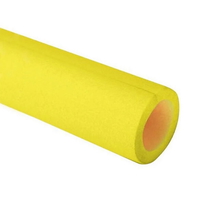
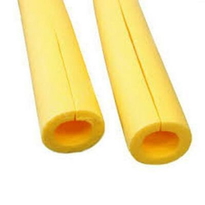
Foam insulation also provides benefits by reducing airborne and impact noise while being easy to install around pipes.
Together, these materials offer a reliable method for minimising waste pipe noise in various building environments.
Mass-Loaded Vinyl Benefits
Mass-Loaded Vinyl (MLV) offers several significant advantages when utilised for insulating waste pipes.
First, it provides exceptional noise reduction by dampening sound transmission, creating quieter environments.
Second, MLV effectively controls vibrations in pipes, helping to prevent noise and potential structural concerns.
Third, it delivers thermal insulation, which helps maintain consistent temperatures and reduces energy costs.
Fourth, MLV is cost-effective in the long term due to its durability and reliability.
Its flexibility allows it to conform to various pipe sizes and shapes, simplifying installation.
Additionally, MLV’s fire-resistant properties enhance safety, particularly in building applications.
Because it's versatile, MLV can be applied to a range of pipe types, including PVC and HVAC ducts.
Another benefit is its lightweight construction, making it easier to handle and install without requiring heavy equipment.
These advantages make MLV a popular choice for creating quiet, safe, and energy-efficient spaces.
Foam Insulation Advantages
Foam insulation presents numerous advantages for insulating waste pipes, making it a preferred option in both residential and commercial applications across the UK. It significantly minimises heat loss, allowing water to maintain its desired temperature for extended periods. Furthermore, foam insulation effectively prevents condensation, thereby safeguarding pipes from moisture accumulation and mould, particularly in damp environments.
In addition to this, foam insulation provides protection against freezing, which is crucial in avoiding costly pipe bursts and damage during colder months. Its lightweight and flexible characteristics facilitate straightforward installation, as it easily conforms to various pipe types and shapes. Whether opting for spray foam or rigid foam, these materials are known for their durability and resistance to wear and tear. Foam insulation's versatility is amplified by its ability to be cut and shaped easily, making it suitable for complex piping layouts. Here’s a summary of the benefits of foam insulation:
Benefit |
Description |
| Energy Savings | Minimises heat loss, reducing energy costs |
| Moisture Control | Prevents condensation and mould formation |
| Freeze Protection | Protects pipes from freezing |
| Easy Installation | Lightweight and adaptable for various pipes |
| Durability | Long-lasting and resistant to wear |
Effective Techniques for Pipe Soundproofing
To effectively soundproof pipes, it's essential to utilise a combination of materials and installation techniques that dampen vibrations and block noise transmission. Firstly, employing heavy pipe wrapping materials such as mass-loaded vinyl, in conjunction with closed-cell foam, creates airtight barriers around pipes. This method is particularly effective for frequencies below 500 Hz. Secondly, selecting pipe lagging that has a substantial weight enhances sound-blocking capabilities. Additionally, incorporating foil-faced wraps not only helps to meet fire regulations but also blocks radiant heat, making it suitable for commercial environments. Moreover, applying multiple layers of foam or vinyl significantly increases soundproofing by absorbing vibrations and resonances. These strategies work in harmony to minimise noise, creating quieter and more comfortable spaces. Thicker insulation layers further improve soundproofing for high-frequency noise. The proper application of these techniques results in effective insulation, reducing disturbances and enhancing overall acoustic comfort.
Installation Tips for Optimal Sound Insulation
Proper installation is essential for achieving effective sound insulation for pipes. Begin by thoroughly cleaning the pipes to remove any dirt or dust, ensuring that the insulation adheres properly. PVC pipes are commonly noisy due to their lightweight nature. Accurate measurement of the pipe length is important, as this determines the amount of insulation material needed, helping to avoid gaps or excess. Before applying insulation, confirm that the pipes are dry to prevent moisture-related issues. Additionally, inspect for loose screws or gaps that could compromise the soundproofing effectiveness. Utilise heavy, airtight pipe lagging materials, which possess a high surface weight, to block sound efficiently. When cutting insulation wraps, do so carefully with a utility knife, and overlap them to ensure a snug fit around the pipes. To seal any gaps, use duct tape effectively. Constructing a timber frame filled with mineral wool, then covering it with plasterboard, can further enhance soundproofing capabilities. Regular inspection and maintenance are vital for sustaining optimal sound insulation performance over time.
Common Challenges and How to Overcome Them
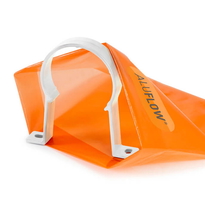
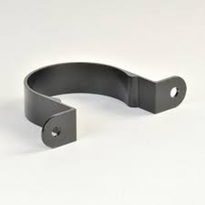
One of the primary challenges in soundproofing pipes is that certain materials and installation techniques can limit their effectiveness. For instance, PVC and ABS pipes inherently transmit more noise than cast iron due to their lower density. To enhance soundproofing, consider the following approaches: Heavier lagging, such as foam with a greater density, is more effective in reducing noise below 500 Hz than lightweight wraps. Incorporating neoprene or rubber grommets at pipe penetrations can help isolate vibrations and minimise transmission. Proper decoupling, which involves leaving space between pipes and insulation layers, prevents sound from travelling through walls and framing. Rigid attachment of pipes to building structures can amplify resonance; therefore, employing flexible mounting and vibration-damping materials is crucial. Additionally, using flexible pipe straps and isolating the pipes from structural elements can significantly improve noise reduction by reducing vibrational transfer. Addressing these challenges will ensure improved and more consistent noise reduction, creating a quieter environment.
Choosing the Right Soundproofing System for Your Needs
Choosing the right soundproofing system hinges on the specific requirements of the plumbing setup and the desired level of noise reduction.
Cast iron pipes are notably effective, providing a significantly quieter operation due to their dense structure, which dampens vibrations effectively.
In contrast, plastic pipes, such as PVC, offer less soundproofing capability but can be enhanced with insulation options like neoprene foam or rubber grommets.
For those seeking excellent noise reduction alongside fire and moisture resistance, mineral wool insulation is a superb choice, particularly for managing noisy pipes.
Additionally, polymeric barriers, such as mass-loaded vinyl, are beneficial for absorbing sound while also providing thermal advantages.
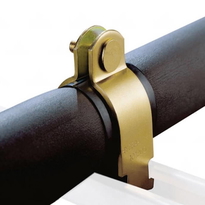
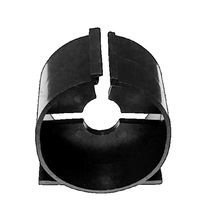
To ensure optimal performance, it's crucial to utilise acoustic brackets, carefully selected pipe fittings, and precise installation techniques.
This approach aids in minimising both airborne and structure-borne noise, leading to a quieter and more comfortable plumbing environment.
Choosing appropriate materials is essential for achieving the best soundproofing results, ensuring a peaceful and serene atmosphere within homes and buildings.
Conclusion
Proper insulation of waste pipes is essential for effectively reducing noise, creating a quieter living environment. By understanding the sources of noise, selecting suitable materials such as cast iron, and applying correct installation techniques, homeowners can significantly enhance soundproofing.
Addressing common challenges and choosing the right insulation system ensures long-lasting results. Overall, investing in proper sound insulation not only boosts comfort but also minimises disturbances, making waste plumbing quieter and more efficient.
Clear knowledge and careful implementation are vital for achieving optimal noise reduction. With the right approach, you can enjoy a more peaceful home while ensuring the efficient operation of your plumbing system.