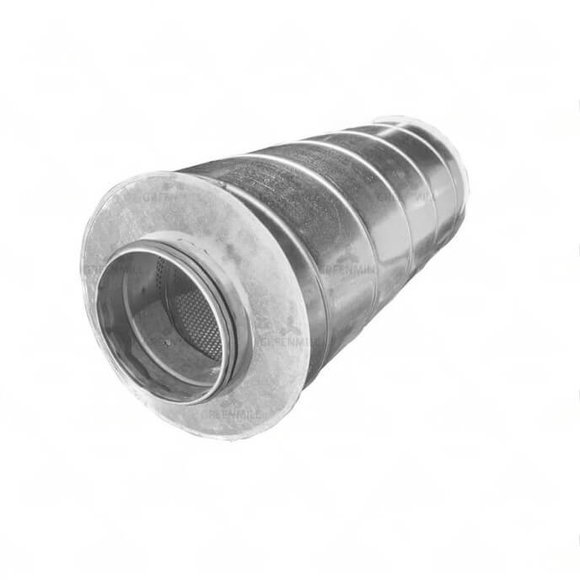
When selecting ventilation attenuators and circular duct silencers, opt for the 600mm long versions. These attenuators diminish noise levels efficiently while enhancing airflow within duct systems. Their durable galvanized outer layer and perforated sheet steel casing aid in noise reduction. Filled with sound-absorbent mineral wool, they uphold efficient airflow. Utilize them to create a tranquil indoor space with reduced noise, fostering comfort and cost savings. By integrating them correctly into your ductwork, you guarantee a quieter environment while maintaining peak efficiency. Learn more about the benefits and installation practices of these sound-reducing components.
- Circular duct silencers reduce noise and enhance airflow efficiency in ductwork.
- These silencers are filled with sound-absorbent mineral wool for effective noise reduction.
- Installation involves securing the silencer in place inline with ducting for optimal performance.
- Regular maintenance includes cleaning, checking for damage, and ensuring proper sealing.
- Ventilation attenuators play a crucial role in creating a peaceful and comfortable indoor environment.
What makes the 600mm long circular duct silencers stand out in ventilation systems?
These duct silencers excel in reducing noise and enhancing ductwork efficiency. The design of these silencers includes an outer layer of durable galvanized duct systems, ensuring longevity and effectiveness in sound attenuation.
Inside, a perforated sheet steel casing aids in noise reduction by allowing sound waves to enter and be absorbed by the sound-absorbent mineral wool filling the cavity. This combination effectively minimizes noise levels, creating a more comfortable environment while maintaining efficient airflow within the ductwork.
Ventilation attenuators significantly improve indoor comfort by effectively reducing noise levels in ventilation systems. When considering the benefits of using ventilation attenuators, you'll find that they offer:
- Noise Reduction: By absorbing and attenuating sound, ventilation attenuators help in creating a quieter indoor environment, reducing the disturbance caused by air movement in duct systems.
- Cost Effectiveness: Investing in ventilation attenuators can lead to long-term cost savings by minimizing the need for additional soundproofing measures and maintenance expenses related to noise issues in ventilation systems.
- Improved Indoor Environment: With reduced noise levels, you can enjoy a more peaceful and comfortable indoor space, fostering a sense of tranquility and relaxation in your surroundings.
Circular duct silencers can be easily installed in ventilation systems to effectively lower noise levels and enhance indoor comfort. When installing these silencers, it's crucial to consider noise reduction techniques and engineering considerations to ensure peak performance.
Begin by identifying the suitable location in the ductwork where the silencer will be mounted. Make sure to leave enough space around the silencer for proper airflow and access for maintenance. Secure the silencer in place using brackets or supports to prevent vibrations or movement that could impact its efficiency.
Next, connect the silencer inline with the ducting, ensuring a tight seal to prevent air leakage and maximize noise reduction. Consider the direction of airflow and install the silencer accordingly to achieve the desired noise reduction outcomes. Once the silencer is securely in place, conduct a thorough inspection to confirm proper installation and make any necessary adjustments.
Regularly examining ductwork silencers is essential to guarantee peak performance and noise reduction efficiency. To make sure your silencers are working effectively, follow these maintenance tips:
- Inspecting Frequency: Regularly check your ductwork silencers for any signs of damage or wear. This can help you catch issues early on and prevent any decrease in noise reduction capabilities.
- Noise Reduction Techniques: Clean your silencers periodically to remove dust and debris that could hinder their sound attenuation abilities. Keeping them clean can ensure they're working at their best to reduce noise effectively.
- Preventing Air Leakage: Check for any leaks or gaps in the ductwork connected to the silencers. Sealing these properly can help prevent air leakage, maintaining the efficiency of your ventilation system and ensuring peak noise reduction.
Ensuring proper ventilation attenuation is pivotal to creating a comfortable environment with reduced noise levels inside and outside buildings. By using circular duct silencers, 600mm long, mounted inline with ducting, you can effectively diminish noise in ventilation systems.
These silencers, equipped with sound absorbent mineral wool, are designed for high, medium, and low-pressure applications, helping to silence noise from fans and eliminate Cross Talk. The significance of ventilation attenuators goes beyond noise reduction; they also play a vital role in maintaining efficient airflow, enhancing indoor air quality.
In understanding the difference between a silencer and an attenuator, consider this: a silencer focuses on noise reduction, while an attenuator regulates sound intensity. Silencers absorb sound, while attenuators adjust airflow. Acoustic performance measurements distinguish their effectiveness in ventilation systems.
Indeed, duct attenuators efficiently lower noise levels in ventilation systems. They improve comfort by minimizing disruptions. When setting up, consider appropriate placement for maximum noise reduction efficiency. Assure airtight connections with rubber seals to uphold system effectiveness.
For effective noise reduction in your ventilation system, the attenuator length is 600mm. It helps create a quieter indoor environment by absorbing sound. Enjoy peace and quiet with this inline-mounted duct silencer.
When looking for duct sound silencers, consider circular models in various diameters and lengths for installation flexibility. Packed with acoustic mineral wool, they reduce noise effectively while maintaining airflow. Rubber seals guarantee airtight connections for efficiency and easy maintenance.



 Verified Buyer