


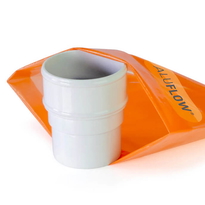
Acoustic Soil Pipe Insulation
Acoustic soil pipe insulation employs specialized materials such as mineral wool, fiberglass, polyurethane foam, and polyethylene foam to minimize noise transmission from plumbing systems. Correct installation entails assessing noise sources, selecting appropriate insulating components, designing pipe layouts that minimize turbulence, sealing joints effectively, and testing performance to guarantee effective noise control.
These strategies play a vital role in significantly enhancing indoor comfort by preventing sound transfer across floors and meeting UK building standards. Continued research and application of detailed techniques further optimize insulation performance across diverse building environments, ensuring both acoustic comfort and compliance with safety regulations.
The Importance of Noise Reduction in Building Environments
Effective noise reduction in building environments is vital for ensuring occupant comfort, health, and productivity. This is especially important in residential and commercial structures, where structural components such as soil and plumbing pipes can transmit significant sound levels. Noise generated by plumbing systems often radiates through walls, floors, and ceilings, increasing perceived loudness and disrupting daily activities. Excessive noise can lead to stress, sleep disturbances, and reduced concentration, impairing overall well-being and work performance. In multi-story buildings, vertical pipe runs can intensify noise transmission, affecting multiple spaces across different floors. Implementing effective noise mitigation strategies and structural modifications can significantly reduce these disturbances. As a result, occupants benefit from quieter, more comfortable environments. Improved acoustic conditions can also enhance property value and market appeal by providing healthier, more conducive spaces for living and working.
Materials and Components in Acoustic Soil Pipe Systems
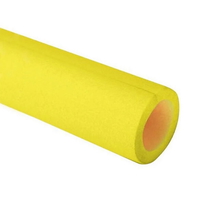
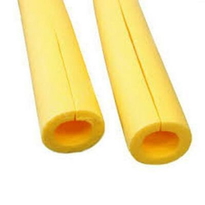
Materials and components used in acoustic soil pipe systems are carefully selected to optimize sound attenuation while maintaining durability, ease of installation, and compatibility with building requirements. Common materials include mineral wool, valued for its high sound absorption and non-combustibility; fiberglass, which offers lightweight and thermal insulation properties; polyurethane foam, praised for its moisture resistance and versatility; and polyethylene foam, known for durability and outdoor suitability. These choices ensure that the systems achieve effective noise reduction without compromising longevity or safety.
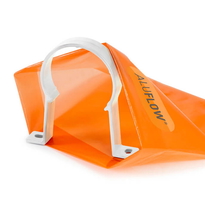
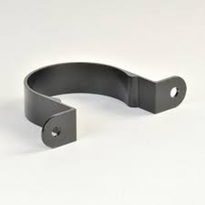
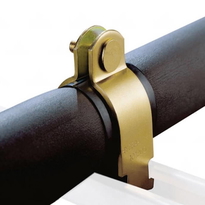
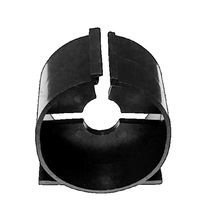
Modern systems also incorporate mineral-filled polypropylene, combining soundproofing with lightweight design to facilitate quick installation. Components such as acoustic brackets and clamps are employed to reduce structure-borne noise by limiting direct contact and vibrations. Additionally, using innovation enhances the overall soundproofing capabilities of the pipe systems.
Sealed joints and specialized fittings help prevent sound leaks, ensuring acoustic integrity. Additionally, multilayer pipe structures and enclosures lined with insulating materials further enhance overall acoustic performance.
These carefully chosen materials and components collectively ensure effective, reliable noise reduction in soil pipe systems, contributing to quieter and more comfortable building environments.
Installation Strategies for Optimal Sound Insulation
Before commencing installation, it's vital to conduct a comprehensive assessment of the existing infrastructure. This involves evaluating the current condition of soil pipes and surrounding structures to identify potential sources of noise that could compromise the effectiveness of sound insulation measures.
This assessment should include inspecting pipe conditions, pinpointing areas where turbulence may occur, and recognizing points where vibrations could transfer to the building's structure. Such thorough evaluation helps inform the most suitable soundproofing solutions.
Material selection is the next critical step. It involves choosing appropriate soundproofing materials tailored to specific noise issues. For instance, mineral wool can be utilized to address structure-borne noise, while specialized pipe wraps can aid in vibration absorption.
Design optimization is equally important. This entails configuring pipe layouts to minimize sharp bends and turbulence, which are common sources of noise and vibration transmission. An effective layout can significantly enhance the performance of the sound insulation system.
During installation, ensuring easy access for future maintenance is essential. This not only facilitates ongoing inspection and repairs but also contributes to the longevity of the soundproofing measures. Compliance with local building regulations and standards should be meticulously adhered to throughout the process.
Finally, proper sealing of joints and connections is critical to prevent noise leaks. Conducting system testing to verify the effectiveness of the sound insulation, coupled with detailed documentation of the installation process, helps in maintaining long-term performance and addressing potential issues proactively.
Future Trends and Innovations in Acoustic Soil Pipe Technology
Advancements in acoustic soil pipe technology are increasingly shaped by ongoing developments in innovative materials and precise manufacturing techniques. The introduction of multilayer systems and flexible solutions, such as elastomeric foam, enhances sound absorption capabilities while providing superior moisture resistance and thermal benefits. The utilization of eco-friendly materials aligns with broader sustainability agendas, supporting environmentally responsible construction practices across the UK. Technological innovations, including vacuum insulation panels and sophisticated digital design tools, facilitate more accurate system modeling. This precise modeling leads to optimized performance, ensuring that acoustic properties meet the demands of modern building environments. Utilizing processes allows for more complex and tailored insulation solutions that can be seamlessly integrated into diverse building configurations. As market trends show a steady increase in demand within residential, commercial, and industrial sectors, there's a growing emphasis on integrating effective insulation into complex building configurations. Continuous investment in research and development ensures that future solutions will be increasingly effective, energy-efficient, and adaptable. These innovations are poised to meet evolving regulatory standards and customer expectations for high-performance, sustainable soil pipe insulation systems. Such progress underlines the commitment within the UK to advancing acoustic soil pipe technologies that support durable, environmentally friendly, and acoustically effective infrastructure.