
Building Paper Exterior Walls
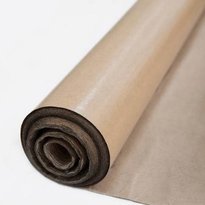
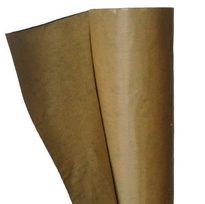
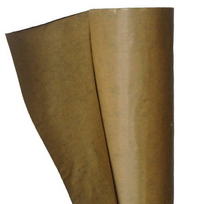
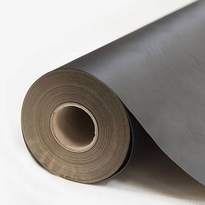
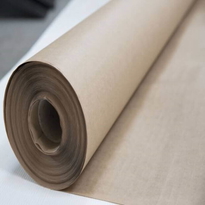
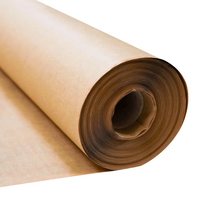
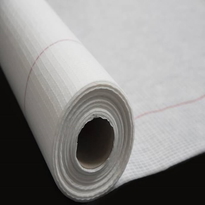
Building paper serves as a water-resistant barrier installed behind exterior walls to prevent moisture infiltration and air leaks. Available in various grades and types, including asphalt-saturated Kraft paper, synthetic wraps, and drainable barriers, building paper is tailored for specific climates and cladding systems.
For effective performance, proper installation is crucial. This involves overlapping layers, sealing transitions, and adhering to building regulations that prioritise moisture management and airtightness.
Understanding how to select and install building paper is essential for ensuring long-lasting protection against the elements. Regular maintenance is also important to preserve its efficacy over time.
In summary, the right choice, careful installation, and ongoing upkeep of building paper will contribute significantly to the durability and integrity of your exterior walls.
What Is Building Paper and Why Is It Important?
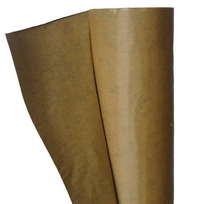
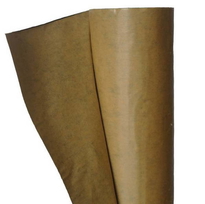
Building paper is a robust, water-resistant material that plays a crucial role in safeguarding a building’s exterior. Made from heavy Kraft paper, it's often treated or coated with substances like bitumen, asphalt, or wax to enhance its water-repellent properties.
This material functions as a secondary moisture barrier behind cladding or roofing, effectively shedding water that penetrates the outer layer, thereby preventing damage to the structure or insulation within. It also helps prevent vapor transmission, reducing the risk of moisture buildup inside walls. Additionally, building paper helps to block drafts, enhancing energy efficiency and maintaining a comfortable indoor environment. It provides a durable support for exterior finishes, creating a stable, moisture-resistant surface.
Proper installation, with overlapping seams, is essential to ensure water is kept at bay. Having been used for decades, building paper continues to be a vital component of exterior wall protection, recognised for its proven water resistance and longevity.
Different Types and Grades of Weather-Resistant Barriers
Different weather-resistant barriers are available in various grades, influencing their resistance to water, air, and overall durability over time. Thicker materials typically provide enhanced protection and a longer lifespan, although they may come at a higher price and necessitate careful installation.
Understanding the grade and thickness of these materials is essential for builders to select the most suitable barrier for specific climatic conditions and construction requirements. Factors such as local weather patterns and building design should be carefully considered to ensure optimal performance and longevity of the weather-resistant barrier.
Choosing the right weather-resistant barrier is crucial for safeguarding structures against the elements, ultimately contributing to the durability and integrity of buildings across the UK.
Grade Classifications and Resistance
Weather-resistant barriers (WRBs) are classified into various grades based on their water vapour resistance and water resistance properties. The primary grades include Grade A (high vapour resistance), Grade B (moderate vapour resistance), Grade C (water resistant), and Grade D (water vapour permeable). Choosing the right grade is crucial for achieving the desired balance between moisture management and energy efficiency. Grade D building paper allows water vapour to pass through, facilitating moisture escape while providing some resistance, though it offers less protection against water. Commonly used is asphalt-saturated Kraft Grade D paper, which is typically applied in multiple layers over gypsum sheathing. However, it requires protection from prolonged exposure to the elements. The classification of barriers is essential for builders to select the appropriate material based on specific wall requirements. The ASTM D-779 test method is employed to measure water resistance, while ASTM E1745 classifies barriers into Classes A, B, and C, focusing on strength and puncture resistance, all of which exhibit low vapour permeability. These classifications serve as a guide for construction professionals, ensuring that the correct materials are chosen to meet the demands of various building projects.
Material Thickness and Durability
Material thickness varies significantly among weather-resistant barriers, influencing their strength, flexibility, and overall performance.
Thin materials, such as asphalt-saturated kraft paper, primarily offer basic water resistance. Lightweight non-woven polypropylene wraps are engineered for breathability and ease of handling.
In contrast, heavy-duty commercial wraps are thicker and provide enhanced durability against severe weather conditions. The increased thickness generally correlates with higher tear resistance and longevity.
Self-adhered membranes, bonded with rubberised asphalt, are designed for both elasticity and strong adhesion, often available in convenient roll formats for straightforward installation.
Additionally, thick rigid boards made from foam or fibrous material offer structural support alongside water resistance.
These variations enable builders to select the appropriate barrier for enhanced durability, weather resilience, and compatibility with specific wall systems.
Choosing the Right Building Paper for Your Exterior Walls
Choosing the right building paper for exterior walls is a vital step in ensuring a durable and well-protected structure. Various types of building paper provide different advantages depending on the climate and the type of cladding used.
For instance, traditional asphalt-impregnated felt is heavier and can be more challenging to install. In contrast, modern synthetic options like Tyvek and HardieWrap are lighter, more durable, and allow vapour to escape, which helps walls dry effectively.
Drainable wraps come with a unique gap that prevents water from being trapped behind the cladding, significantly reducing the risks of mould and rot.
When selecting a product, it's important to consider factors such as vapour permeability, water resistance, UV exposure, and flexibility. Many building papers are designed to be UV-resistant, ensuring they maintain integrity during construction delays or extended exposure to sunlight.
Opting for the correct building paper helps your home breathe while remaining protected, resulting in a robust, lasting exterior that fosters a sense of belonging and pride.
Proper Installation Techniques for Building Paper
Proper installation of building paper involves careful overlapping in a shingle pattern to ensure that water is directed outward and downward. Sealing at transitions, such as where walls meet openings or different materials, is essential to prevent leaks. Employing effective fastening techniques, including appropriate spacing and secure attachment, helps maintain the paper's tension and enhances its resistance against weather elements. It is crucial to consider the local climate when selecting the type of building paper, as different environments may require specific materials for optimal performance. Proper installation of building paper also includes maintaining proper ventilation to reduce moisture buildup within wall assemblies. Additionally, ensuring that the building paper is installed in accordance with manufacturer guidelines will further aid in achieving a watertight barrier. Regular inspections of the building paper after installation can help identify any potential issues early on, enabling timely repairs that can avert more significant problems in the future.
Overlap and Shingle Pattern
To ensure that building paper provides effective water protection, proper overlap and shingle pattern techniques are essential during installation. Firstly, the paper should be overlapped by a sufficient margin vertically, allowing water to flow down smoothly. Horizontal edges must be layered so that the upper piece overlaps the lower, directing moisture outward. Vertical overlaps, especially at corners or transitions, should be adequately extended to maintain a continuous barrier. When creating the shingle pattern, workers start at the bottom, working upwards with each row overlapping the one beneath. Each layer should extend beyond openings to ensure extra protection. The overlaps need to be fastened tightly to prevent water infiltration, helping the building to remain dry and durable. Proper overlap also minimizes the risk of air leaks, enhancing insulation efficiency.
Sealing at Transitions
Sealing at points where building paper meets other materials is crucial for preventing air and moisture leaks, which can compromise the integrity of the wall system. Applying caulk or foam around windows, doors, electrical boxes, and rim joists creates tight barriers against draughts and water intrusion. Utilising spray foam or liquid membranes at stud joints and rim joists enhances sealing, accommodating any structural movement. Flexible caulk enables thermal expansion, minimising the risk of cracks developing over time. Additionally, sealing the top and bottom plates is vital for limiting infiltration and averting moisture damage. Proper sealing techniques can significantly improve the overall energy efficiency of a building. Before proceeding with sealing, it's essential to inspect and repair any existing damage to prevent future complications. Effective sealing not only boosts energy efficiency but also safeguards the wall from moisture-related issues. Diligently sealing transitions fosters a robust, consistent barrier, contributing to a comfortable and dependable building that's both structurally sound and beneficial to its occupants.
Proper Fastening Techniques
Choosing the appropriate fastening techniques is crucial for ensuring that building paper remains secure and effective as a weather barrier. Proper methods prevent damage and maintain protection from the elements.
Firstly, use galvanised nails or staples as they resist corrosion and have a longer lifespan.
Secondly, prepare tools such as staple guns or hammers, ensuring they provide enough force for a firm hold.
Thirdly, space fasteners approximately every 15 centimetres to avoid tearing or loose edges.
Fourthly, begin fastening at the centre of each sheet, then work outward to promote even tension and prevent wrinkles.
Secure the edges and corners with additional nails or staples, particularly around penetrations like windows and doors.
Consistent and careful fastening maintains the building paper in position, ensuring continuous protection against adverse weather and moisture.
Key Building Codes and Standards for Exterior Sheathing Barriers
Building codes and standards are essential for ensuring that exterior sheathing barriers effectively safeguard buildings from moisture, air leaks, and structural damage. The International Building Code (IBC) stipulates the need for a continuous water-resistive barrier (WRB) behind external veneers to prevent moisture accumulation within walls. For stucco applications, the recent amendments to the IBC necessitate two layers of WRB and the introduction of vented drainage spaces in specific climate zones to enhance moisture management. The International Residential Code (IRC) emphasises the proper installation of WRB materials, which must extend behind all sheathing to facilitate effective drainage or evaporation. Furthermore, North American codes mandate the use of air barrier membranes to ensure airtightness through sealed laps and transitions. These regulations contribute to the creation of durable, energy-efficient walls that withstand weather conditions and maintain structural integrity. Recent code alterations have also specified the minimum drainage efficiency for ventilated cladding systems, ensuring superior moisture management. Adhering to these standards is crucial for builders and contractors aiming to deliver resilient and sustainable structures.
Materials and Durability Factors to Consider
The materials utilised for constructing paper barriers are crucial to the overall durability and efficacy of exterior wall assemblies. For instance, asphalt-saturated kraft paper, commonly referred to as Grade “D,” strikes a balance between water resistance and vapour permeability. You can think of it as a robust shield that blocks rain while allowing moisture from the interior to escape. Grade D weather-resistive barrier is designed to prevent internal wall damage from water and moisture, making it an essential component in building envelope systems.
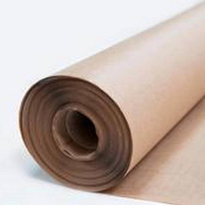
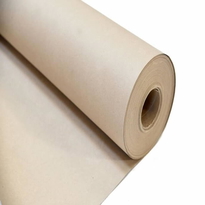
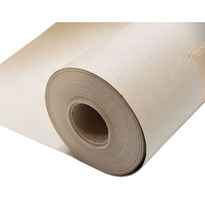
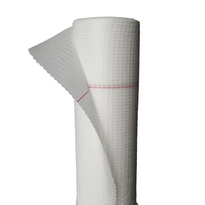
Higher-grade papers, such as 60-minute building paper, offer enhanced protection and tensile strength. Picture a roll of weather-resistant material—approximately 40 inches wide—ready to envelope a wall.
The durability is influenced by features including:
Tearing resistance, which prevents rips during installation.
Water resistance, keeping out rain for an extended period.
Vapour permeability, allowing walls to breathe.
Mechanical strength, resisting harsh weather and pressure.
Selecting the appropriate material guarantees long-term protection and instils a sense of security for everyone within the building community.
Integrating Building Paper With Other Wall Components
Proper overlap and lapping of building paper are crucial in preventing water from penetrating the wall assembly. Overlaps should be at least a couple of inches, with upper layers covering lower ones to direct water outward.
At intersections such as soffits or windows, employing flashing and sealants ensures continuous moisture protection.
When integrating with insulation, maintaining an air gap helps manage moisture and allows for ventilation. Foam spacers can effectively maintain this gap while improving insulation performance.
Building paper should face outward, secured with stainless steel staples, pulled taut, and trimmed smoothly. Proper coordination around openings involves seamless flashing layered with building paper, guiding water away from the structure.
In retrofit projects, pocketing building paper within the framing facilitates easy insulation installation and enhances moisture control.
Common Challenges and How to Address Them
One of the main issues with installing building paper is the damage that can occur over time, making repairs challenging. Water damage can cause the paper to become brittle and peel, thereby exposing the siding or sheathing beneath.
Repairing this often involves the removal of exterior siding, which can be labour-intensive and disruptive. Alternatives, such as partial repairs, risk leaving areas vulnerable to moisture infiltration.
Existing damage increases the likelihood of rot and structural issues if not addressed promptly. Picture the following scenarios:
Water seeping behind the siding, leading to unseen deterioration.
Covering up tears or gaps, which can trap moisture and result in rot.
Stripped siding exposing fragile paper to the elements, heightening the risk of further damage.
Ongoing repairs accumulating, leaving homeowners feeling disconnected from their own spaces.
Proper installation and regular inspections are essential in preventing these issues.
Addressing damage early on ensures the home remains secure and preserves the emotional connection homeowners have with their properties.
Tips for Ensuring Long-Term Performance and Moisture Management
Proper overlap techniques ensure that building paper layers function cohesively to prevent water from penetrating walls.
Seamless flashing integration around windows and doors effectively directs water away from these openings, thereby minimising the risk of damage.
Collectively, these methods contribute to the long-term performance of exterior wall systems by proficiently managing moisture and air flow.
Proper Overlap Techniques
Ensuring proper overlap of building paper is essential for maintaining the integrity of the exterior wall system and preventing moisture from entering the structure. Effective overlap techniques emulate the shingle arrangement found on a roof, directing water outward.
For horizontal seams, it's important to overlap by a sufficient margin to prevent water infiltration. Utilise a shingling pattern, with upper layers covering lower layers.
Maintaining uniform and straight overlaps is crucial to avoid creating weak spots, while also being mindful of excess overlap, which may lead to buckling or uneven surfaces.
Vertical seams should have an adequate overlap to enhance weather resistance. Secure overlaps with staples or nails, spaced evenly to ensure a tight, continuous barrier.
Proper overlap is fundamental for long-term durability and effective moisture control in building applications.
Seamless Flashing Integration
Seamless flashing integration is crucial for ensuring the durability and moisture resistance of building exteriors. Employing high-adhesion flashing tapes, such as 100% butyl rubber, provides a robust waterproof seal that endures over time.
Rubberised flashing membranes exhibit superior resistance to moisture and are less prone to degradation compared to traditional materials.
It is essential to ensure compatibility among flashing, house wrap, and sealants to avert adhesive failure and create a continuous moisture barrier. Effective surface preparation, including cleaning and smoothing the sheathing, is vital to achieving a tight seal.
When applying flashing, particular attention should be paid to penetrations. Utilising sealants and metal supports will help direct water away, thus preventing leaks.
When all layers are adequately sealed and overlapped, the exterior becomes significantly more resistant to water intrusion, supporting long-term performance and integrity of the structure.
Best Practices for Maintenance and Inspection
Regular maintenance and inspection are vital for ensuring building paper functions effectively as a weather-resistant barrier.
Imagine walking along the wall, observing for:
Loose or torn sections that could allow water to seep in.
Signs of mould or moisture, often indicated by discolouration or saturation.
Damage from weather or impact that may compromise the barrier.
Gaps in sealant around windows, doors, or seams which could result in leaks.
Conducting these routine checks helps identify issues early, preventing expensive repairs in the future.
When problems are discovered, repairs should be carried out immediately, employing appropriate patching, sealing, or replacement techniques.
This regular upkeep ensures the building's exterior remains protected, maintaining a tight, weather-resistant fit.
Such diligence fosters a sense of belonging and pride in preserving durable, safe walls.
Conclusion
Building paper plays a crucial role in safeguarding exterior walls from moisture and weather-related damage. Selecting the appropriate type, ensuring correct installation, and adhering to building regulations are essential for durability and effectiveness. Regular maintenance and inspection can significantly enhance its longevity.
By grasping these fundamental aspects, homeowners and builders in the UK can construct robust, weather-resistant walls that can endure the elements, offering reliable protection and peace of mind for years to come.