
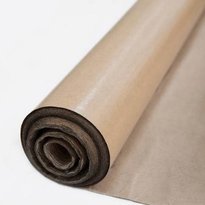
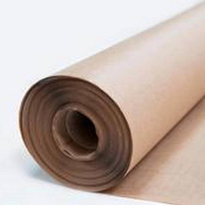
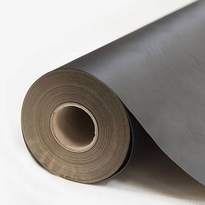
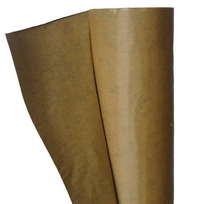
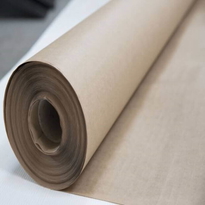
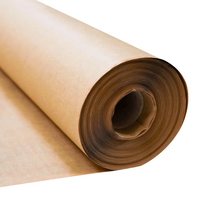
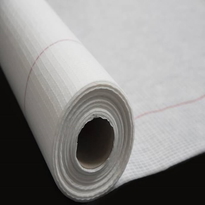
Building Paper Under Metal Roofing
Building paper under metal roofing serves as an essential barrier against water infiltration, effectively preventing leaks and safeguarding the roof deck from moisture damage. It plays a crucial role in managing moisture vapour and reducing condensation, which can lead to issues such as mould and decay.
There are various types of building paper available, including felt, synthetic, and peel-and-stick membranes, each selected based on specific climatic conditions and budgetary considerations. Proper installation is key to ensuring both durability and performance, while a clear understanding of regional requirements can help mitigate common problems.
Exploring these materials further reveals how they enhance the longevity and effectiveness of roofing systems, contributing to a more resilient and reliable structure.
The Role and Benefits of Building Paper Beneath Metal Roofing
Building paper placed beneath metal roofing plays a crucial role in safeguarding the structure and enhancing the roof’s performance. It serves as a secondary water barrier, significantly reducing the risk of water intrusion and leaks. This protection is essential for the roof decking, as it helps shield it from moisture damage, which can compromise the overall integrity of the building over time. Building paper also acts as a vapor barrier, controlling moisture movement within the roof system, which is vital in high-humidity environments. Moreover, building paper effectively prevents condensation buildup, which could otherwise lead to rot or mould in the long term. It also provides added protection during extreme weather conditions, minimising water damage from heavy rain, hail, or wind-driven debris.
In addition to moisture control, this underlayment prolongs the lifespan of the roof by reducing the need for moisture-related repairs. Ultimately, the installation of building paper contributes to a more durable, secure, and efficient roofing system.
Homeowners and builders alike can rest easy knowing their roof is well protected from the elements.
Different Types of Underlayments Suitable for Metal Roofs
Various underlayments are available to enhance the performance and durability of metal roofs. Felt underlayment, which can be made from organic or inorganic materials, is a common choice. Organic felt tends to absorb moisture and has a shorter lifespan, while inorganic glass-fibre felt offers greater stability and superior wear resistance. Felt is available in various weights and is cost-effective, but it can be susceptible to tearing and water absorption.
Synthetic sheet underlayments, crafted from polyethylene or polyolefin, are stronger, more flexible, and significantly less prone to moisture damage. These materials provide excellent performance in diverse weather conditions, making them a popular selection for homeowners.
Self-adhering membranes utilise a peel-and-stick design that creates a robust waterproof seal, offering high-temperature resistance. While these membranes may be more expensive, their superior sealing capabilities can be advantageous in certain climates.
These underlayment options differ considerably in terms of strength, flexibility, and cost, allowing homeowners to choose the most suitable solution based on their climate, budget, and specific building requirements.
Underlayment Type
Key Features
Felt (Organic/Inorganic)
Cost-effective, prone to tearing and moisture absorption
Synthetic Sheet
Stronger, flexible, resistant to moisture
Self-Adhering Membrane
Waterproof, performs well in high temperatures, more costly
Proper Installation Techniques for Building Paper
Proper installation of building paper is essential for ensuring a long-lasting and effective metal roof. To achieve this effectively, follow these key steps:
Ensure that the roof deck is clean and free from protruding nails, debris, dust, dirt, and moisture. This promotes good adhesion and helps prevent damage. A clean surface is crucial for the building paper to adhere properly and function as an effective barrier.
Lay the building paper in a continuous layer, overlapping it side-to-side and end-to-end with the recommended minimum laps to keep water out.
Secure the paper with cap nails or staples, spaced according to local building regulations or manufacturer instructions, while avoiding excessive puncturing.
Fold the paper neatly around edges and penetrations. Use walk boards on steep slopes and cover promptly to protect against UV damage.
How Building Paper Enhances Roof Durability and Performance
Adding a layer of building paper beneath a metal roof significantly enhances its durability and overall performance. It serves as an effective secondary water barrier, providing additional protection against leaks, particularly during heavy rainfall or the formation of ice dams. This layer helps prevent moisture from infiltrating the roof deck, thereby reducing the risk of rot and structural damage. Building paper also contributes to improved thermal insulation, helping to maintain consistent indoor temperatures. Moreover, building paper plays a crucial role in controlling condensation by functioning as a vapour barrier. This helps to avoid the growth of mould and mildew, as well as the corrosion of metal panels and fasteners. Additionally, it dampens noise created by rain, hail, or wind, resulting in a more tranquil indoor environment. Furthermore, building paper creates a smooth surface that supports proper alignment of the panels and prevents damage during installation. Overall, incorporating building paper improves the longevity of the roof while supporting enhanced energy efficiency and occupant comfort.
The Connection Between Roof Decking and Building Paper
Before installing building paper, it’s essential to prepare the roof decking properly to ensure it serves effectively as a foundation. This involves ensuring the surface is clean and dry, which promotes good adhesion of the paper. Safety precautions are critical when working on the roof to prevent accidents and injuries during installation. Common decking materials such as OSB and plywood should be a minimum thickness of 7/16", with 5/8" recommended in regions that experience heavy snowfall or strong winds for enhanced screw grip. Building paper functions as a crucial barrier between the decking and metal panels, preventing moisture from penetrating through. When installing, consider the following points:
Ensure the deck surface is smooth, clean, and dry.
Use suitable fasteners for both the decking and building paper.
Install building paper beneath purlins to safeguard the deck.
Overlap and seal seams to uphold moisture resistance and durability.
Regional Considerations for Selecting Roofing Underlayments
Regional climate and environmental conditions play a significant role in selecting the appropriate underlayment for metal roofing. In colder regions with freezing temperatures, it's essential to use ice barriers with multiple layers or self-adhesive membranes that extend inside walls to prevent ice dams. Areas that experience heavy snowfall and freeze-thaw cycles benefit from synthetic or self-adhesive underlayments, which are designed to resist moisture and ice build-up. Conversely, in warmer climates, underlayments that can withstand high temperatures are necessary, such as synthetic varieties, given that metal roofs can trap heat. For coastal regions or areas with high humidity, peel-and-stick membranes are advantageous as they provide enhanced water protection against rain and salt air. In high-wind zones, it's crucial to install underlayments with robust fasteners that comply with local building codes to prevent blow-offs during severe weather. Additionally, proper installation techniques are vital to ensure the longevity and performance of the chosen underlayment in these demanding environments. Choosing the right underlayment is vital for ensuring durability, comfort, and long-term performance that's tailored to the specific regional conditions.
Common Challenges and Solutions When Using Building Paper
Using building paper beneath metal roofing presents several challenges that necessitate careful consideration.
Implementing appropriate installation techniques is crucial to prevent issues such as tearing or wrinkling. Additionally, handling materials with care is essential to minimise damage during the setup process.
It is vital to ensure compatibility between the building paper, roofing materials, and flashing. This compatibility is key to maintaining a secure and durable roofing system, contributing to the overall effectiveness and longevity of your structure.
Proper Installation Techniques
Proper installation of building paper beneath metal roofing is essential for effective moisture protection and long-lasting performance. To achieve this, follow these key steps:
Ensure that the roof deck is clean, dry, and devoid of sharp objects or protruding nails that could puncture the paper or panels. Galvalume roofs typically require underlayment over solid sheathing to prevent moisture infiltration.
Utilise a continuous, rigid substrate such as plywood, and install supports correctly to evenly distribute weight across the surface.
Overlap seams adequately to prevent gaps, and avoid walking on steep slopes to minimise the risk of tearing.
Secure the building paper with corrosion-resistant fasteners, placing them carefully at regular intervals to maintain a watertight seal.
These steps are crucial in preventing leaks, damage, and moisture accumulation, thereby creating a reliable barrier that endures over time.
Proper techniques are vital for a durable, well-protected roof.
Handling Material Damage
Handling material damage to building paper beneath a metal roof is a prevalent challenge that necessitates careful consideration. Punctures, scratches, and leaks can undermine waterproof barriers, leading to moisture ingress and subsequent deterioration. Such damage commonly arises from foot traffic, tools, or shifting panels. To avert further complications, repairs should encompass cleaning rust, applying zinc-based primers, or replacing damaged sections. Proper fastening is essential to allow the roof to move without causing tears. The table below outlines key concerns and their corresponding solutions:
Damage Type
Cause
Solution
Punctures and Scratches
Impact, tools, foot traffic
Implement protective walkways, repair promptly
Gaps from Movement
Improper fastening, expansion
Utilise flexible fasteners, conduct regular checks
Rust and Corrosion
Moisture, exposure
Remove rust, apply protective coatings
Sealant Cracks
Thermal movement, inadequate application
Reapply flexible, weatherproof sealant
Ensuring Compatibility
Choosing the appropriate building paper to be installed beneath a metal roof can pose several challenges that significantly influence the roof’s performance and longevity.
Compatibility issues frequently arise from differences in materials and methods of installation. To ensure proper compatibility, consider the following key points:
Synthetic underlayments provide enhanced moisture resistance and durability compared to traditional felt paper.
Felt materials can deteriorate over time, particularly if they're exposed for extended periods before installation, which may lead to moisture retention and subsequent damage.
Vapour permeable papers allow moisture to escape, thereby minimising the risks of condensation.
Slip sheets, such as rosin paper, facilitate thermal expansion, helping to prevent tearing or displacement as temperatures fluctuate.
Adhering to manufacturer guidelines and building regulations is crucial for ensuring compatibility. This practice helps to avert future issues and prolongs the lifespan of the roof.
Properly matching materials is essential for establishing a dependable roofing system.
Environmental and Maintenance Aspects of Building Paper Under Metal Roofing
Building paper under metal roofing plays a vital role in both environmental sustainability and maintenance reduction. It serves as a moisture barrier, preventing water from infiltrating and causing damage to the roof structure. By safeguarding the underlying materials, building paper contributes to extending the lifespan of the roof and diminishes the need for frequent repairs.
Additionally, it effectively manages vapour movement, helping to avert mould growth and ensuring healthier indoor environments. This layer also functions as a thermal barrier, enhancing insulation and energy efficiency by minimising heat transfer.
Proper installation is crucial, as it reduces the risk of leaks from wind-driven rain and ice, thus lowering maintenance requirements and environmental waste over time. A number of building papers are manufactured from recycled or eco-friendly materials, supporting sustainable construction practices.
Conclusion
Using building paper under metal roofing is essential for safeguarding the structure, enhancing durability, and preventing issues such as leaks and mould. The proper selection and installation of underlayments, tailored to regional requirements, ensure the roof performs effectively over time.
Regular maintenance and an awareness of potential challenges can significantly extend the lifespan of the roofing system. Overall, building paper plays a crucial role in creating a secure, weather-resistant roof that endures longer and necessitates fewer repairs.
By prioritising the use of building paper, homeowners can enjoy peace of mind, knowing their roofing system is well-protected against the elements.