Ceramic Duct Wrap
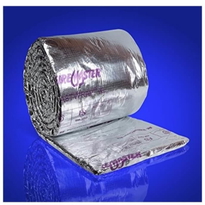
Ceramic duct wraps are insulation materials specifically designed to enhance fire resistance and thermal efficiency in HVAC and industrial systems. Comprising materials such as alumina-silica and silica fibres, these wraps can endure elevated temperatures while adhering to stringent safety standards, including those set by UL and ISO.
These wraps serve as effective fire barriers, helping to maintain consistent temperatures and reduce noise levels within systems. Their durability and safety attributes make them particularly suitable for both commercial and industrial applications.
For those interested in the benefits and applications of ceramic duct wraps, further exploration of this topic will yield more detailed insights.
Types and Composition of Ceramic Duct Wraps
Ceramic duct wraps are available in various types, each tailored for specific high-temperature applications.
Alumina-silica mouldable blankets are constructed from robust ceramic fibres combined with an inorganic alumina binder, making them suitable for extreme temperatures. These blankets can be easily molded into complex shapes to fit various duct geometries. Forming strong, rigid, low density insulation up to 1260°C (2300°F).
Silica mouldable blankets are made from high-purity silica fibres reinforced with silica binders, providing rigid, lightweight insulation for demanding thermal environments.
Insulfrax-based wraps leverage calcia, magnesia, and silica chemistry to enhance biosolubility, frequently featured in products such as FyreWrap Elite.
Superwool® fibre wraps consist of non-combustible silicate wool, rated for exceptionally high temperatures, and are renowned for their lightness and thermal efficiency.
Bio-soluble ceramic fibre wraps, like 3M Fire Barrier Duct Wrap 615, are designed to be flexible, lightweight, and fire-resistant, offering safer insulation solutions for various applications.
These ceramic duct wraps are essential in ensuring efficient thermal management while maintaining safety standards in high-temperature settings.
Fire-Resistance Standards and Certifications
Fire-resistance standards and certifications are vital for ensuring that ceramic duct wraps comply with safety regulations. These standards encompass testing and ratings from recognised bodies such as UL and ISO, which assess a product's capacity to withstand elevated temperatures and inhibit the spread of fire. In addition, organizations like ASTM define specific performance criteria, such as the ASTM E 2336 fire test requirements, that products must meet to be deemed suitable for critical applications.
Adherence to these regulations guarantees that duct wraps aren't only effective and reliable but also conform to building codes focused on fire safety.
Maintaining rigorous fire-resistance criteria is essential for safeguarding properties and ensuring the well-being of occupants. The importance of these certifications can't be overstated, as they play a crucial role in minimising risks associated with fire hazards.
By selecting products that meet established fire-resistance standards, builders and contractors can enhance the overall safety of their projects while ensuring compliance with local regulations.
Compliance With Fire Codes
Ensuring that ceramic duct wraps comply with fire safety standards is essential in building construction. These wraps adhere to key regulations such as the Uniform Mechanical Code (UMC), International Mechanical Code (IMC), and Uniform Building Code (UBC), enabling safe installation around combustible materials. They fulfil zero clearance requirements and act as effective fire barriers, particularly in mechanical shafts and commercial environments like kitchens and mechanical rooms that house grease ducts. The certification process involves rigorous testing to verify performance under fire conditions. Certification from recognised laboratories confirms that these wraps meet rigorous safety and performance standards. Their fire resistance, validated through comprehensive testing, plays a crucial role in containing fires and preventing their spread through ventilation systems.
Certification Standards and Tests
Certification standards and tests are essential in verifying that ceramic duct wraps meet stringent fire safety requirements. These standards encompass various evaluations, including those for grease duct enclosures that provide fire resistance ratings. Key tests assess full-scale fire resistance and firestop performance, ensuring that these wraps can withstand extreme conditions. These tests are conducted using controlled fire scenarios and are designed to simulate real-world emergencies. Additionally, surface burning is evaluated through assessments that measure flame spread and smoke production. Some wraps successfully pass international tests for ventilation duct fire resistance, further validating their effectiveness. Certifications from recognised bodies confirm that these wraps adhere to rigorous performance criteria, which include maintaining temperature limits and ensuring zero clearance to combustibles. Comprehensive laboratory testing, such as hose stream and temperature rise tests, guarantees that these systems can endure fire conditions safely. These certifications contribute significantly to the creation of safer buildings and instil confidence in the reliability and durability of ceramic duct wraps.
UL Listings and ISO Ratings
UL Listings and ISO ratings are crucial indicators of a ceramic duct wrap's fire-resistance performance, offering reassurance that these products comply with stringent safety standards.
UL classifications ensure consistent adherence to fire-resistance tests, encompassing full-scale fire exposure, firestop penetration, and surface burning characteristics. Products such as Pyroscat Duct Wrap and FireMaster XL are part of UL’s quality assurance programmes, affirming their reliability in real-world applications.
ISO ratings, particularly ISO 6944, assess how effectively duct enclosures endure fires, ensuring they maintain structural integrity during emergencies.
Both UL and ISO standards assist architects and engineers in selecting materials that align with global safety regulations. This certification process guarantees that ceramic duct wraps provide dependable fire protection, supporting safe and compliant building designs.
Physical and Thermal Properties
Ceramic duct wraps are engineered to endure extremely high temperatures while delivering effective insulation and fire protection. These wraps are constructed from inorganic, non-combustible ceramic fibres such as alumina, silica, or alkaline-earth silicate wool, capable of withstanding temperatures of 2000°F or more.
Manufactured as flexible blankets, ceramic duct wraps easily conform around ducts, ensuring a snug fit with minimal gaps. Their low thermal conductivity significantly reduces heat transfer, making them ideal for high-temperature applications. Typically, they're around 1.5 to 2 inches thick with a density of approximately 6 pounds per cubic foot, achieving a balance between insulation efficiency and ease of installation.
The fire-resistant characteristics of these wraps enable them to meet stringent safety standards, including fire ratings of up to two hours and compliance with fire regulations, thereby safeguarding both property and personnel.
Best Practices for Installation
Proper installation of ceramic duct wraps is vital to ensure their effectiveness and safety. It's important to follow mechanical attachment methods with care.
Utilise steel banding that's at least half an inch wide, spaced no more than ten and a half inches apart around the duct, and position the bands one and a half inches from the insulation edges. For larger ducts, steel pins (minimum twelve gauge and three to five inches long) should be arranged in rows, spaced a maximum of ten and a half inches apart and five inches from the duct edges.
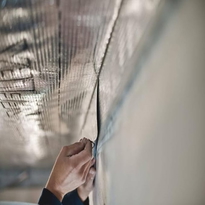
Ensure that there's an overlap of at least three inches between the blankets, and seal all cut edges with aluminium foil tape. Initiating the wrap at the correct edge, attaching it securely to concrete or masonry, and ensuring that all sections are well fastened helps to prevent gaps and maintains the integrity of the system.
Regular inspections are essential for ensuring long-lasting, safe insulation. By adhering to these best practices, you can significantly enhance the performance and durability of your ceramic duct wraps.
Applications in Commercial and Industrial Settings
In commercial and industrial settings, ceramic duct wraps perform a range of essential functions in ventilation and fire protection systems. They effectively insulate HVAC ductwork, minimising heat loss and gain, which enhances energy efficiency. Ceramic materials are known for their high-temperature resistance, making them suitable for demanding environments. These wraps are crucial for air distribution systems that require fire resistance, acting as a dependable fire barrier. Ceramic duct wraps also help maintain consistent temperatures within ducts, contributing to comfort and process control. Furthermore, they provide noise reduction by dampening airflow sounds, creating a more pleasant environment. In commercial kitchens, these wraps safeguard grease ducts from extreme temperatures and help prevent fire spread, ensuring compliance with safety regulations. In industrial environments, they're designed to endure high heat, protecting both equipment and personnel. Their durability and adaptability make ceramic duct wraps a vital component of numerous commercial and industrial systems, enhancing safety, efficiency, and comfort across various applications.
Health and Safety Considerations
While ceramic duct wraps provide numerous advantages in commercial and industrial systems, handling these materials carries certain health and safety risks. The ceramic fibres used can be potentially carcinogenic and are classified as possibly harmful when inhaled. Inhaling these fibres may result in throat and respiratory irritation. Moreover, contact with the skin and eyes can lead to temporary irritation. It is crucial for workers to adhere to safety measures, including the use of respirators, minimising dust, and wearing appropriate protective gear. Ensuring good ventilation in work areas further helps to mitigate risks. Here is an overview of essential safety measures:
Safety Measure |
Purpose |
| Respirators | Protect lungs from inhaling fibres |
| Dust reduction | Limit airborne particles during handling |
| Protective clothing | Prevent skin contact and irritation |
| Training | Educate on proper handling and associated risks |
| Ventilation systems | Maintain clean and safe air in the workspace |
Implementing these precautions is vital for safeguarding workers while reaping the benefits of ceramic duct wraps.
Advantages of Using Ceramic Duct Wraps
Ceramic duct wraps present a range of significant advantages, making them a preferred option for insulation in both commercial and industrial systems across the UK.
One of the primary benefits is their exceptional thermal resistance, which effectively reduces heat loss and maintains stable temperatures within the ductwork. This not only enhances energy efficiency but also enables HVAC systems to operate more smoothly, thereby consuming less power overall. Ceramic wraps can withstand high temperatures, making them suitable for environments with extreme heat exposure.
Furthermore, ceramic wraps help to maintain uniform air temperatures, effectively preventing the occurrence of hot or cold spots that can detract from overall comfort. Their robust durability and resistance to corrosion ensure longevity, even in challenging environments.
The flexibility of ceramic duct wraps facilitates easy installation in confined spaces and various configurations, making them adaptable to diverse applications.
In addition to their functional advantages, ceramic wraps also contribute to noise reduction and minimise vibrations, creating a quieter atmosphere that fosters a sense of belonging for all occupants.
Maintenance, Handling, and Inspection
Proper maintenance, handling, and inspection of ceramic duct wraps are essential to ensure their long-term performance and safety. Regular visual inspections for damage to the foil, tears, and any signs of moisture or grease contamination are crucial. Minor tears can typically be repaired using aluminium foil tape, whereas larger damaged sections necessitate complete replacement.
Handling should be conducted with care to avoid damaging the foil facing or the insulation blanket. Utilising the appropriate tools and wearing protective gear is advisable. Replacement sections must fit snugly and be securely taped, pinned, or banded to prevent moisture ingress. Additionally, support hardware, such as hanger rods and angle irons, must comply with established standards.
It is also vital to document inspections and repairs to maintain a reliable operational record.
Action |
Material/Tools |
Notes |
| Check for foil tears | Visual inspection | Repair minor tears with foil tape |
| Repair damage | Aluminium foil tape, replacement sections | Adhere to size criteria |
| Inspect support hardware | Hanger rods, angle irons | Ensure compliance |
| Record inspections | Service logs | Track maintenance history |
| Handle insulation carefully | Protective gear, proper cutting tools | Prevent damage |
Innovations and Future Trends
Innovations in ceramic duct wraps are continually enhancing the capabilities, safety, and ease of installation of these materials. The introduction of high-purity ceramic fibres has significantly improved performance and purity. These advanced wraps are now capable of withstanding continuous temperatures of up to 2600°F, surpassing previous limitations. This advancement allows for higher temperature applications and broader industrial use. Reinforced foils and composite blankets offer increased mechanical strength and fire resistance through endothermic reactions, thereby extending safety during fire incidents. The development of vacuum-formed shapes and lightweight designs facilitates easier installation, particularly in confined spaces. These innovations comply with stringent safety standards, providing fire resistance for extended durations and minimising smoke spread. Modular bolt-together systems and flexible wraps allow for quicker, custom-fit installations around intricate geometries. Furthermore, ongoing advancements are prioritising the reduction of health risks associated with handling these materials, with a notable shift towards low biopersistent fibres that maintain performance while enhancing worker safety during installation. The evolution of ceramic duct wraps reflects a commitment to safety, efficiency, and adaptability in a variety of applications, ensuring they meet the growing demands of modern environments.
Conclusion
Ceramic duct wraps provide effective insulation and fire resistance for both industrial and commercial applications. These wraps are composed of high-quality materials that meet stringent safety standards, ensuring durability and protection in demanding environments.
Proper installation and regular maintenance are crucial for achieving optimal performance and safety. As advancements in technology continue, innovative materials are enhancing the efficiency and versatility of ceramic duct wraps, making them suitable for a broader range of applications.
In summary, ceramic duct wraps represent a dependable, long-lasting solution for thermal management and fire safety requirements, catering specifically to the needs of businesses across the UK.