


Drain Pipe Sound Insulation
Drain pipe sound insulation involves the use of materials such as mass-loaded vinyl, foam wraps, or mineral wool to absorb and block noise generated by water flow and vibrations. By applying these materials around pipes, attaching vibration dampers, and sealing any gaps, it is possible to effectively reduce sound transmission.
Proper installation is crucial, as it ensures minimal vibrations and prevents sound leaks, contributing to a quieter and more comfortable indoor environment. For those seeking to enhance their noise control measures, exploring various methods and options tailored to specific needs can provide valuable insights.
Whether you are undertaking a renovation or simply looking to improve your living space, investing in effective sound insulation for drain pipes can significantly enhance your quality of life.
Understanding Sound Transmission in Plumbing Systems
Understanding how sound travels through plumbing systems is essential for managing noise in buildings. Sound is primarily generated by wastewater flowing turbulently and the vibrations of pipe walls. The material and weight of pipes play a significant role in how sound is transmitted or absorbed. For instance, plastic pipes such as PVC tend to transmit sound more readily due to their lower mass and stiffness, whereas cast iron pipes inherently dampen sound thanks to their dense structure. Additionally, sound can travel through rigid pipe attachments and structural elements, leading to vibrations and resonances throughout the building. Recognising these mechanisms is crucial in designing quieter plumbing systems. Engineers must carefully consider acoustics when specifying pipe systems Effective planning should concentrate on reducing turbulence, employing smooth-walled pipes, and minimising sharp bends to limit noise. This understanding is vital for creating comfortable and tranquil indoor environments.
Key Materials for Effective Pipe Soundproofing
Effective pipe soundproofing relies on combining multiple materials that work together to reduce noise. Heavy layers, such as mass-loaded vinyl, create a robust barrier, while specialised acoustic materials absorb vibrations and block sound transmission.
Sealing gaps and utilising vibration dampers further enhance insulation by preventing sound leaks and minimising pipe vibrations.
In the UK, homeowners and builders often seek effective solutions to address the issue of noisy pipes. By employing a combination of soundproofing materials, one can significantly improve the acoustic environment within residential spaces.
Mass-loaded vinyl is particularly effective due to its density, making it an ideal choice for soundproofing applications. Additionally, acoustic foam or mineral wool can be used to absorb sound waves and reduce reverberation within the space.
Sealing any existing gaps around pipes with appropriate sealants is crucial, as even small openings can allow sound to escape.
Furthermore, incorporating vibration dampers can help to minimise the transmission of vibrations through the pipework, leading to a quieter environment.
Heavy Soundproofing Layers
Heavy soundproofing layers are vital for minimising noise emanating from drains and HVAC pipes, particularly in noisy settings such as mechanical rooms or industrial environments. NetLag Acoustic Pipe Wrap integrates thick fibreglass batting with a dense dB-Bloc membrane, effectively absorbing and blocking sound. Its outer aluminised mylar surface enhances durability, making it suitable for extensive pipe runs, achieving significant noise reduction. Up to 90% noise reduction can be achieved with NetLag, making it a highly effective solution for various applications. Multi-layer composite options, including Quiet Barrier®, consist of foam layers, polyester film, and soundproof barriers, providing broad-spectrum sound absorption and heat resistance for compact spaces. Mineral wool batts assist in dampening vibrations within cavities, while double layers of drywall enhance mass, reducing airborne noise. Mass Loaded Vinyl (MLV) wraps further impede sound transmission, creating a comprehensive heavy-layer soundproofing solution for pipe insulation requirements.
Specialized Acoustic Materials
Specialised acoustic materials play a vital role in minimising noise from drain pipes, HVAC ducts, and other plumbing components. Mass Loaded Vinyl (MLV) wraps are high-density materials that effectively block sound transmission when wrapped around pipes.
These wraps often include foam layers that help to reduce vibration noise caused by pipe movement. Typically, they're about 3/8 inch thick and come in large rolls, making installation straightforward.
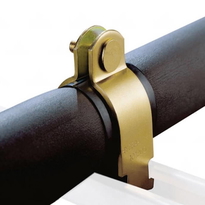
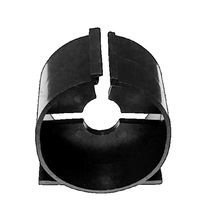
Acoustic foams and composites can absorb airborne noise and further reduce vibrations, especially when used in conjunction with MLV. Rubber-lined clamps, hangers, and brackets help to isolate pipes from structural contact, dampening vibrations and mechanical noise. Using a combination of materials improves overall soundproofing effectiveness.
Sealants complete the setup by sealing gaps and preventing sound leaks.
Together, these specialised materials create an effective multi-layer system that significantly enhances pipe soundproofing, providing a quieter and more comfortable environment in homes and commercial spaces alike.
Sealing and Vibration Dampening
Sealing and vibration dampening materials work in unison to enhance the effectiveness of pipe soundproofing by addressing different pathways of noise. Proper sealing is essential to prevent sound leaks through small gaps, while vibration dampening plays a crucial role in reducing the transmission of mechanical noise.
Acoustic sealants are particularly effective as they fill gaps around pipes, thereby blocking airborne noise. Foam seal tapes offer flexibility, accommodating pipe movement without compromising the integrity of the seal. Mass-loaded vinyl serves as a dense barrier, effectively preventing sound transfer. Additionally, rubber gaskets and neoprene pads help to minimise metal contact, which further reduces vibrations.
To achieve maximum soundproofing, wrapping pipes with insulation combines these various methods, leading to a comprehensive solution for noise reduction.
Material Type |
Function |
| Acoustic Sealants | Fill gaps and block noise leaks |
| Foam Seal Tapes | Flexibly seal joints and allow for expansion |
| Mass-loaded Vinyl | Block sound transmission |
| Rubber Gaskets | Minimise vibrations and noise from contact |
| Pipe Wraps | Absorb vibrations and reduce noise |
DIY Methods for Insulating Drain Pipes
Insulating drain pipes yourself can greatly reduce noise transmission and enhance the comfort of indoor spaces. Using materials such as dense wraps like mass loaded vinyl (MLV) effectively blocks low-frequency sounds, especially when paired with closed-cell foam for added insulation. Applying acoustic caulks can seal gaps and prevent sound leaks, while mineral wool batts can fill wall cavities, providing further sound absorption and thermal insulation. Rubber-lined pipe clamps and vibration dampers also contribute to minimising noise from pipe vibrations. The process involves cleaning the pipes, measuring and cutting the insulation materials, and carefully wrapping them from one end, overlapping seams to ensure a tight seal. Fully enclosing the pipes and combining different types of insulation can significantly enhance overall soundproofing. Additionally, PVC pipes are commonly noisy due to their lightweight nature, which can be mitigated by effective insulation methods. This DIY approach is accessible and effective for creating quieter spaces, allowing you to enjoy a more peaceful environment in your home.
Professional Options for Superior Sound Reduction
Professional sound reduction methods employ advanced materials and precise installation techniques to optimise noise control. These options encompass specialised pipe wrapping, high-performance insulation, and vibration dampening features that surpass basic DIY solutions.
Implementing these strategies guarantees effective, long-lasting soundproofing for drainage systems in both residential and commercial environments.
By utilising these professional techniques, one can significantly diminish disruptive noise levels, creating a more peaceful atmosphere. Investing in quality soundproofing not only enhances comfort but also contributes to the overall value of a property.
For those seeking superior sound reduction, it's essential to consult with experts who can recommend the best materials and installation practices tailored to specific needs.
This approach ensures that every aspect of soundproofing is addressed, resulting in optimal performance and satisfaction.
Advanced Material Application
Advanced soundproofing for drain pipes involves utilising specialised materials that provide exceptional noise reduction.
Mineral wool effectively absorbs sound and dampens vibrations, significantly diminishing noise transmission through walls, floors, and ceilings. It's also resistant to moisture, ensuring durability in damp drainage environments.
Acoustic insulation wraps are designed to absorb and block sound, enhancing the overall quietness of the system.
Mass-loaded vinyl (MLV) is a dense material that proficiently blocks sound, particularly when used in combination with layers of fibreglass or foam that improve insulation.
Specialised wraps such as Tecsound and high-density membranes fit snugly around pipes, contributing to a noticeable decrease in noise levels and facilitating straightforward installation.
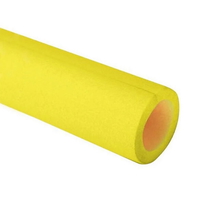
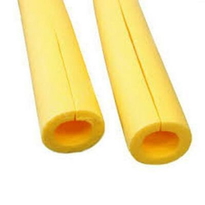
Foam wraps and cellular core PVC pipes offer a cost-effective solution for moderate noise reduction, making them suitable for retrofit projects.
When these materials are combined with vibration dampers and sealants, they produce optimal sound insulation, ensuring a quieter environment in residential and commercial settings alike.
The use of vibration dampers and sealants is essential to maximize the effectiveness of these insulating materials by preventing sound leaks and reducing pipe vibrations that can contribute to noise.
Precise Installation Techniques
Precise installation techniques are vital for achieving optimal sound reduction in drain pipe systems. Utilising rubber-lined clamps, hangers, and brackets helps to minimise vibrations that can travel into the building structure. It's advisable to avoid rigid attachments, particularly with plastic pipes, as they can create sound resonance through the framing. When securing pipes within walls or ceilings, employing resilient channels or isolation clips aids in acoustically decoupling them. Additionally, neoprene foam jacketing around the pipes significantly dampens sound, particularly at points of penetration. Rubber grommets and flexible seals are essential to prevent sound from flanking through wall or floor penetrations. Accurate measurement and cutting of soundproof wraps, such as vinyl or mass loaded vinyl (MLV), with minimal gaps is crucial for effective soundproofing. Proper sealing of insulation and penetrations is also essential to prevent sound leaks and maintain the integrity of the soundproofing barrier.
Step-by-Step Installation of Soundproofing Solutions
Installing soundproofing solutions on drain pipes involves several essential steps to ensure effective noise reduction.
First, it's crucial to thoroughly clean the pipe surface to eliminate dirt and dust, which allows the materials to adhere properly.
Next, accurately measure the length of the pipe to determine the amount of soundproofing material required, thereby minimising waste.
Choosing appropriate materials, such as Mass Loaded Vinyl (MLV), closed cell foam, or Quiet Batt® insulation, is vital and should be based on the type and location of the pipe.
Then, cut the materials precisely for a clean fit, ensuring that overlaps extend a few inches beyond the pipe’s circumference for comprehensive coverage.
Finally, wrap the pipe tightly, secure it with nylon cable ties, and seal all seams with noise-proofing tape. This creates a robust barrier against sound, significantly enhancing the acoustic performance of the space.
Maintaining and Accessing Insulated Pipes
Maintaining and accessing insulated drain pipes demands meticulous planning to ensure that soundproofing remains effective over time. It is crucial to incorporate access points or removable sections during installation, facilitating inspections and repairs when necessary. Avoid completely sealing insulation, as this can trap leaks or moisture, complicating visual checks. Opting for insulation materials that are easily removable and reattachable helps to prevent damage while preserving performance. Regular inspections should be scheduled to identify issues early, such as tears or condensation.
Access Method |
Benefits |
| Removable wrap systems | Simple to remove and reapply without causing damage |
| Panels or doors in chase walls | Provide quick access without compromising insulation |
| Modular insulation sections | Enable localized removal around fittings or bends |
Cost Considerations and Budget-Friendly Tips
Wondering how to keep the costs of drain pipe insulation under control? There are several strategies to achieve this without compromising on effectiveness.
Firstly, consider using budget-friendly materials like foam tubing, which is cost-effective and straightforward to install. The average price for foam insulation ranges from $0.50 to $3 per linear foot, making it an affordable choice for many homeowners.
Secondly, opting for DIY projects can significantly reduce labour costs, particularly for accessible and straightforward pipes.
Thirdly, choosing versatile insulations such as rubber or mineral wool can provide long-lasting performance without incurring high expenses.
Additionally, combining simple insulation wraps with minimal professional assistance can maximise your savings.
Finally, addressing small sections of insulation early can prevent the need for costly full replacements later on.
Enhancing Privacy and Comfort Through Pipe Insulation
Pipe insulation plays a crucial role in enhancing both privacy and comfort within residential and commercial spaces. It effectively reduces noise from drain pipes, creating quieter and more serene living and working environments. Insulation prevents sounds, such as running water, from travelling through walls and ceilings, which can disrupt those nearby. Uninsulated pipes can produce loud clanking, banging, or hissing sounds. Utilising specialised materials, including high-quality acoustic systems, significantly minimises noise and vibrations that could compromise pipe joints or lead to leaks. Additionally, insulated pipes maintain steady temperatures, preventing unwanted heat loss or gain, which contributes to a more comfortable atmosphere. Beyond enhancing comfort, soundproofing pipes can increase a property’s value by fostering a quieter, more private space. In both homes and businesses, well-insulated drain pipes play an essential role in cultivating a more enjoyable and peaceful environment for everyone.
Conclusion
Effective drain pipe sound insulation plays a crucial role in minimising noise and enhancing privacy within a building. Whether opting for DIY methods or engaging professional services, understanding the appropriate materials and installation techniques is essential for achieving optimal results.
Regular maintenance and a thoughtful approach to costs ensure long-term comfort without excessive expenditure. By investing in high-quality insulation, property owners can cultivate a quieter, more enjoyable environment, significantly reducing disturbances caused by plumbing sounds.
Well-insulated pipes greatly contribute to overall indoor comfort and privacy, making them a worthwhile consideration for any property.