
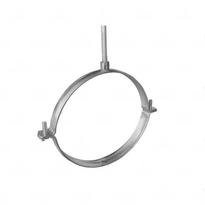
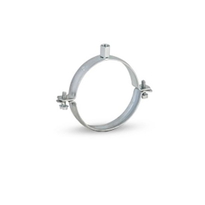
Duct Hose Clamp
A duct hose clamp is a device designed to secure flexible hoses to fittings or ducts, ensuring a tight, leak-proof seal. Various types exist, including worm drive, T-bolt, V-band, spring, and quick-release clamps, each suited for distinct environments and applications.
Materials such as stainless steel, galvanised steel, and aluminium offer durability and resistance to corrosion, making them ideal for long-term use.
Selecting the correct size and ensuring proper installation are crucial for achieving optimal performance.
For further insights, explore advanced tips and innovations in the field of duct hose clamps.
Types of Duct Hose Clamps and Their Applications
Duct hose clamps are available in various types, each tailored for specific applications and performance requirements.
T-bolt clamps offer consistent sealing pressure and are particularly effective in large or high-vibration systems such as HVAC installations, industrial machinery, or heavy-duty vehicles. Since they provide a uniform, high-tension seal, they excel in demanding conditions.
V-band clamps, characterised by their distinctive “V” shape, securely connect two flanges, making them a popular choice in exhaust systems and for facilitating quick maintenance access.
Worm drive clamps utilise a screw and band mechanism, providing versatility for automotive, plumbing, and agricultural hoses, particularly where moderate pressure is necessary.
Spring clamps depend on the tension from spring steel to secure hoses, often employed in automotive cooling systems where space constraints are prevalent.
Quick-release duct clamps enable rapid installation and removal in HVAC systems, ensuring efficiency and safety in environments that require frequent maintenance or uphold high hygiene standards.
Materials Used in Duct Hose Clamp Manufacturing
Materials used in the manufacturing of duct hose clamps vary significantly based on their resistance to corrosion, strength, and flexibility. Thicker materials generally offer enhanced durability, while thinner options facilitate easier installation and reduce weight. Many materials, such as stainless steel, are chosen specifically for their corrosion resistance, making them ideal for moist or harsh environments. Different construction types are designed to ensure that the clamps can endure specific environments and mechanical stresses effectively. The choice of material plays a crucial role in the performance and longevity of the clamps, making it essential to select the appropriate type for the intended application. In the UK market, the emphasis on quality and reliability drives manufacturers to utilise high-grade materials that meet industry standards. This focus ensures that duct hose clamps can perform reliably in various conditions, from domestic use to industrial applications. Ultimately, the right combination of materials and construction methods ensures that duct hose clamps provide secure and efficient connections, contributing to the overall effectiveness of ducting systems.
Corrosion-Resistant Materials
Corrosion resistance is a vital consideration when selecting materials for duct hose clamps, particularly in environments that are exposed to moisture, chemicals, or temperature fluctuations.
Stainless steel is the most commonly chosen option due to its ability to resist rust and corrosion, even in demanding conditions such as humid or chemically aggressive settings. Grades like 304 stainless steel provide an excellent balance of durability and cost-effectiveness.
Galvanised steel also offers substantial resistance to corrosion and heat, making it a suitable choice for HVAC systems.
Aluminium, recognised for its lightweight and durable properties, is ideal where minimising weight is a priority, although it provides only moderate resistance to corrosion.
Other viable alternatives include brass, which is appreciated for its aesthetic appeal, and plastic coatings or components. While these can resist chemicals effectively, they may lack the strength required for certain applications.
Selecting the right material for duct hose clamps is crucial to prevent degradation over time and ensure dependable operation in harsh conditions. Choosing an appropriate material is essential for ensuring long-lasting performance and minimizing maintenance costs, ultimately contributing to the reliability of duct hose clamps in various environments.
Material Thickness Variations
The thickness of the metal used in duct hose clamps is vital for their performance and durability. Generally, stainless steel clamps are manufactured with a thickness that provides strength and corrosion resistance. Thicker materials enhance the clamps' ability to withstand tension, prevent deformation, and maintain airtight seals, particularly in demanding or larger applications. In contrast, thinner clamps are typically utilised in low-pressure scenarios or smaller ducts to minimise weight and cost. The manufacturing processes, including punching and welding, depend on consistent thickness to ensure structural integrity. Additionally, the choice of thickness is influenced by environmental conditions, with variations tailored to meet specific application requirements. Material thickness can impact the ease of installation and the overall lifespan of the hose clamp in various environments.
Durable Construction Types
Selecting the appropriate materials for duct hose clamps significantly influences their strength, durability, and lifespan. Stainless steel is a favoured choice due to its resistance to corrosion, ability to withstand high temperatures, and long-lasting performance, particularly in harsh outdoor or industrial settings. Stainless steel grades such as 304 and 316 offer different levels of corrosion resistance, which can be critical depending on the environment. Carbon steel components, while strong, can be prone to rust without proper coating, making galvanising or zinc plating crucial for protection. Aluminium clamps are lightweight and offer some resistance to corrosion, making them suitable for moderately demanding environments. Plastic options such as PVC and nylon are lightweight and resistant to chemicals, though they are less robust, making them ideal for low-pressure applications. For more challenging conditions, specialised materials like titanium and alloy steel provide exceptional strength and corrosion resistance.
Material Type |
Best Use |
| Stainless Steel | Long-term use in harsh environments |
| Carbon Steel | Cost-effective for less moisture exposure |
| Aluminium | Lightweight for moderate environments |
| Plastic/Polymer | Chemical resistance for low-pressure needs |
| Specialised Alloys | High strength for extreme conditions |
When selecting duct hose clamps, consider the specific requirements of your application to ensure optimal performance and longevity.
Choosing the Right Size for Your Ducting System
Choosing the right size for a ducting system begins with accurately measuring the hose diameter, as even slight inaccuracies can impact performance.
Once the measurement is completed, selecting a clamp that fits snugly within its size range is essential to ensure a secure seal.
Furthermore, considering the operating environment is crucial in determining whether the material's strength and environmental resistance are necessary for long-term reliability.
The right choice can significantly enhance the efficiency and durability of the ducting system, making it a vital consideration for any installation.
Measure Hose Diameter Precisely
Accurately measuring the hose diameter is crucial for selecting the appropriate clamp size and ensuring a proper seal in any ducting system.
Professionals typically utilise calipers, whether vernier or digital, to measure the outer diameter at the clamp location without compressing the hose.
If calipers are unavailable, a flexible tape or string can be used to measure the circumference, which can then be divided by pi to determine the diameter.
When measuring on the fitting, it's vital to account for any expansion due to the fitting's shape, particularly near the ridge or barb.
Precise measurement helps prevent leaks or loose clamps in fittings.
Using the correct tools and techniques ensures that the clamp fits securely, providing a robust, leak-free connection that endures.
Match Clamp to Fit
Matching a clamp to fit properly is crucial for ensuring a secure and leak-free connection in any ducting system. Clamps are available in specific size ranges determined by their minimum and maximum diameters, making the selection of the correct size essential. It is advisable to choose a clamp that's slightly larger than the maximum diameter of the hose to allow for any expansion that may occur over fittings such as barbs or ridges, which can increase the effective diameter. By measuring the hose’s circumference and calculating the nominal diameter, you can guarantee a precise fit. Proper sizing is vital to prevent leaks caused by under-tightening, as well as to avoid damage resulting from over-tightening. Proper sizing helps maintain the integrity of the connection and prolongs the life of the clamp. Worm-drive clamps, which are prevalent in duct systems, come in standard sizes that accommodate a broad spectrum of diameters. Matching the clamp to the appropriate size ensures a tight, reliable seal, contributing to the overall efficiency and performance of the ducting system.
Consider Operating Environment
Environmental conditions can significantly impact the appropriate size and type of duct hose clamps. For instance, in corrosive environments, stainless steel or coated clamps are essential to prevent rust and degradation. Using measuring tools can help you select the right clamp size suited for the specific environment. In high-moisture or marine settings, clamps with passivation treatments or zinc coatings are vital for longevity. Exposure to chemicals necessitates specialised clamps that resist harsh substances. Extreme temperatures require materials that remain strong and flexible despite thermal stress, while outdoor settings with UV exposure demand UV-resistant metals or plastics to avoid degradation. Imagine clamps standing firm in salty, humid air without succumbing to rust. Visualise sturdy clamps maintaining tight seals during significant temperature fluctuations. Picture durable, adjustable clamps that can adapt as ducts expand or contract over time. Selecting the appropriate clamp based on environmental factors ensures safety, longevity, and a sense of reliability within the system.
Features and Benefits of Various Clamp Designs
Different clamp designs are engineered to meet specific needs in securing hose connections, offering a variety of features and benefits.
Worm drive clamps are versatile, with a wide adjustability range, making them suitable for many duct sizes. Their screw mechanism allows for precise tightening and reusability, often crafted from stainless steel for enhanced corrosion resistance.
Constant tension clamps maintain consistent pressure, even with temperature fluctuations, effectively reducing leaks in systems such as engines or HVAC installations.
Heavy-duty T-bolt and Marman clamps provide strong, reliable holding power for high-pressure applications, effectively resisting vibration that can cause loosening.
Ear clamps are quick to install, offering a low-profile, tamper-proof solution ideal for automotive or manufacturing applications.
Each design offers specific advantages, ensuring suitable choices for various applications and environments.
Performance Standards and Reliability Measures
Performance standards and reliability measures are crucial to ensure hose clamps function effectively and safely in their intended applications. They adhere to strict guidelines, including pressure testing and independent verification, to guarantee quality.
Clamps must maintain their assembly during installation and operation, with precise dimensions for optimal fit and performance. Materials such as stainless steel provide excellent corrosion resistance, extending their lifespan in challenging environments.
Clamps are rigorously tested for pressure ratings, ensuring they can withstand system demands without failure.
Imagine a clamp holding a hose tightly, resisting corrosion, and successfully passing rigorous pressure tests.
Each clamp features verified sizes that match hose diameters perfectly, preventing leaks and ensuring a secure fit.
The assembly remains stable over time, even in extreme conditions, safeguarding the integrity of the system.
Installation Tips for Optimal Sealing and Security
Proper installation of hose clamps is essential for achieving a secure seal and preventing leaks.
Firstly, select a clamp size that closely matches the diameter of the hose to avoid slippage or damage. Open the clamp fully with a screwdriver or wrench before sliding it over the hose. Position it over the fitting’s serrations or barbs for the best grip, and place the clamp a short distance from the pipe end, adjusting for the size of the fitting.
Use the appropriate tool to tighten the clamp evenly, ensuring it's snug but not overtightened, as excessive force can damage the hose.
When dealing with flexible ducting, slide the clamp on before fitting it onto the port to ensure a proper seal.
Correct placement and technique are crucial for secure, leak-free connections.
Best Practices for Maintaining and Replacing Clamps
Regular maintenance of hose clamps is essential to ensure their longevity and reliable performance. Conducting routine inspections allows you to identify rust, corrosion, or deformation early, which helps prevent leaks and ensures a secure fit.
It's crucial to check for cracks or damage in plastic components and replace them immediately. Additionally, examining the hose at the clamp site is vital, as deterioration can weaken the connection. Proper tightening of clamps is necessary to prevent loosening caused by vibrations or fluctuations in temperature.
To keep clamps in optimal condition, consider the following best practices:
Clean clamps regularly with mild detergent to remove dirt and chemical residues.
Lubricate moving parts, such as screw mechanisms, to ensure smooth operation.
Store clamps in dry, clean environments to prevent rust and degradation.
Adopting these best practices fosters a sense of responsibility and connection to maintaining a safe, reliable system.
Comparing Common Clamps: Strengths and Ideal Uses
Different types of clamps serve various functions in securing hoses and connections, each with their own strengths and best uses.
Worm drive clamps, including American, German, and British styles, provide strong, adjustable fastening that's ideal for automotive, plumbing, and industrial applications.
German versions are known for their durability and hose protection, while American and British clamps are appreciated for their affordability and precise sizing.
Constant tension clamps are designed to maintain a steady seal amidst temperature fluctuations, making them particularly suitable for coolant hoses.
Bolt and barrel clamps deliver a high clamping force, making them ideal for heavy-duty requirements.
Marman clamps are often employed for large industrial connections, ensuring robust performance.
Ear clamps, such as those in the Oetiker style, offer a quick, secure, and tamper-resistant solution, making them perfect for assembly lines and moderate-pressure tasks.
Each clamp type is tailored to different environments, priorities, and performance specifications, ensuring that users can find the right solution for their specific needs.
Innovations and Future Trends in Duct Hose Clamp Technology
Advancements in duct hose clamp technology are significantly influencing how industries secure and manage piping systems. The integration of IoT and smart sensors now facilitates real-time monitoring of pressure, temperature, and vibrations, allowing maintenance teams to be alerted before issues arise.
Predictive analytics further enhance this capability by forecasting maintenance requirements, thereby minimising downtime in HVAC and industrial pipelines. Some clamps are now designed to automatically adjust tension, enabling them to self-regulate stress and improve overall efficiency.
Imagine a clamp that:
Sends instant alerts when conditions deviate from the norm, helping to prevent failures.
Utilises vibration-absorbing rubber to reduce noise during operation.
Permits quick, tool-free adjustments for varying system sizes.
These innovations foster a sense of belonging among professionals, as they utilise cutting-edge tools that enhance safety, durability, and performance.
Such trends are anticipated to continue propelling industry growth, ensuring safer and more reliable piping systems throughout the UK and beyond.
Conclusion
Duct hose clamps are essential components for secure and effective duct systems. Selecting the appropriate type, size, and material is crucial to ensure a proper fit and long-lasting performance.
Proper installation and maintenance are vital in preventing leaks and failures. Staying informed about the latest innovations can enhance system efficiency.
Overall, understanding these factors enables users to choose and utilise clamps with confidence, ensuring the safety and reliability of their ducting setups over time.