




Electric Heat Tape for Water Hose
Electric heat tapes for water hoses are designed to prevent freezing by providing consistent warmth; they come in self-regulating and constant-wattage types, each suited for different outdoor conditions. Proper installation involves inspecting hoses for damage, ensuring compatibility, wrapping the tape securely without overlaps, and choosing a dry, accessible location.
Regular maintenance and safety checks—including electrical inspections and ensuring the tape is disconnected during warmer months—are essential for longevity and safety. To optimize their effectiveness and guarantee safe operation, it is important to follow the manufacturer’s guidelines carefully, avoid placing the tape where it may be exposed to moisture or physical damage, and periodically check that the tape is functioning correctly.
By adhering to these practices, householders can effectively prevent water hose freezes during cold weather, ensuring continued safe and reliable operation throughout the winter months.
Types and Benefits of Electric Heat Tape for Water Hoses
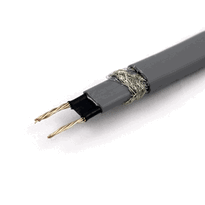
Electric heat tapes designed for water hoses mainly fall into two categories: self-regulating and constant-wattage.
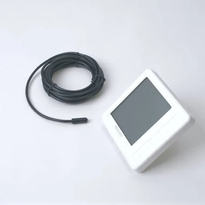
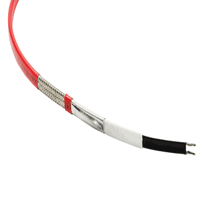
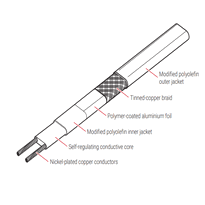
Self-regulating heat tapes adjust their heat output according to the ambient temperature, increasing heat in colder conditions to prevent freezing and reducing it when temperatures are milder. This feature enhances energy efficiency and helps prevent unnecessary power consumption. These tapes automatically modulate their output to maintain a consistent temperature, making them suitable for varying outdoor conditions commonly encountered in the UK. They are often rated for outdoor use and have built-in thermostats to ensure safe operation.
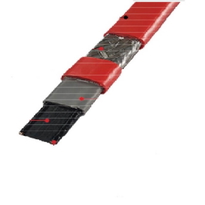
Constant-wattage tapes, on the other hand, provide a steady, unchanging level of heat regardless of external temperatures. They're ideal for extremely cold environments or for use with longer hoses where continuous protection is necessary. While simpler in design, constant-wattage tapes can consume more energy when conditions are less severe, potentially leading to higher operational costs.
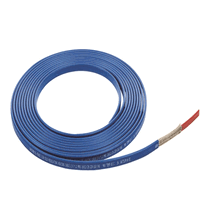
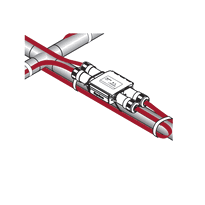
Both types of heat tapes are designed to be wrapped around or run alongside water hoses, offering reliable protection against freezing and ensuring that water flow remains unimpeded during the colder months.
As a result, they support continuous outdoor water use and help prevent damage caused by frozen pipes, making them practical solutions for home and garden use throughout the UK.
Proper Installation and Usage Guidelines
Before installing heat tape on a water hose, it's essential to prepare the hose and surrounding environment to ensure safe and effective operation. This involves inspecting the hose and pipe surface for leaks, damage, or moisture, as these can compromise the heat tape’s functionality and safety. The surface should be thoroughly cleaned and dried, removing all dirt and liquids to promote proper contact and heat transfer. Ensuring the surface is free of moisture and debris is critical for optimal heat transfer. Compatibility between the hose material and heat tape must be confirmed, especially avoiding plastic hoses that are sensitive to heat. The full length of the hose should be identified, including frost lines if underground, to ensure coverage in freezing conditions. Selecting a dry, accessible location for installation and power connections helps facilitate maintenance and ensures electrical safety. Proper planning and preparation help prevent hazards and maximise freeze protection, especially when considering the insulation material used around the hoses and the heat tape.
Maintenance and Safety Tips for Longevity
Regular inspection and maintenance of the heat tape and water hose are essential to ensure their safe operation and to extend their effective lifespan. Conduct visual inspections at least once per season, looking for signs of peeling, cracking, or brittleness, which can hinder heat transfer and compromise safety. Proper maintenance includes checking the integrity of electrical connections and ensuring the tape's outer surface remains intact and free of damage. Cleaning should involve removing dirt, grease, or moisture buildup that may impair the effectiveness of adhesives and heat conduction. Ensure the heat tape is securely attached along the hose without overlaps, using the recommended fasteners, and keep it straight and free of wrinkles. Always connect the heat tape directly to a GFCI socket, avoiding the use of extension cords. Disconnect it during warmer months. Insulate the hose thoroughly with waterproof materials. Regularly inspecting the electrical wiring helps detect early signs of deterioration that could pose safety risks. Inspect the insulation regularly and store the heat tape properly during the off-season to maintain safety and optimal functionality.
Conclusion
Selecting and properly installing an electric heat tape for water hoses ensures they remain functional in cold weather, reducing the risk of freezing and damage. Following correct installation procedures, conducting regular maintenance, and adhering to safety practices help to prolong the effectiveness of the tape and prevent potential hazards. An understanding of the different types, benefits, and operational guidelines allows users to optimise performance while maintaining safety. This careful approach offers a reliable, cost-effective solution for protecting water hoses during freezing temperatures, supporting efficient operation and the longevity of equipment.