
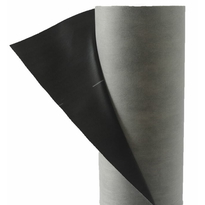
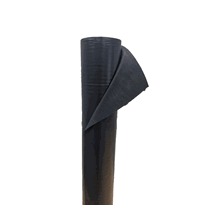
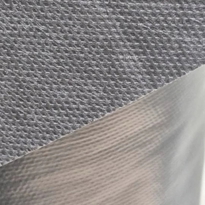
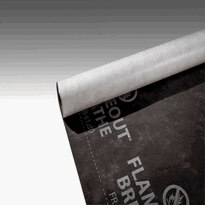
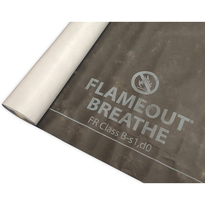
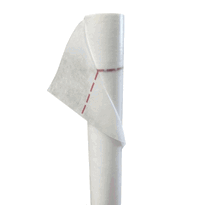
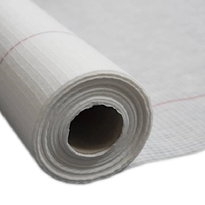
Fire Rated Breatheable Membrane
Fire-rated breathable membranes are specialised building materials that seamlessly blend fire resistance with vapour permeability. These innovative products are designed to inhibit the spread of flames and smoke during a fire, typically classified as Euroclass B or higher, while simultaneously allowing moisture to escape.
Such membranes are crucial in high-risk structures, providing both durability and enhanced safety. They are commonly utilised in exterior wall systems prior to cladding, significantly improving fire safety and safeguarding occupants.
This exploration will delve into how these membranes contribute to building safety and performance, highlighting their role in creating safer environments for all.
Fire Safety Classifications and Standards
Fire safety classifications and standards are essential for ensuring that building materials perform reliably in the event of a fire. The Euroclass system, as outlined in EN13501-1, categorises construction products based on their reaction to fire, ranging from A1 (non-combustible) to F (insufficient data). Class B signifies limited combustibility, offering enhanced flame resistance compared to lower classifications such as E. This classification system is recognized across many countries to provide a common standard for fire safety in building materials. For instance, a classification of A2-s1,d0 indicates very limited combustibility, low smoke emission, and no flaming droplets or particles. These classifications have largely replaced older standards, like BS476, across many regions in Europe, fostering greater consistency in fire safety regulations. Building regulations typically stipulate that external wall membranes must achieve a minimum Euroclass rating, often requiring Class B for taller buildings. Upgrading to higher classifications, such as A2, not only improves safety but also ensures that structures comply with stringent fire safety requirements.
Material Components and Fire-Resistant Technologies
Materials employed in fire-rated breathable membranes typically comprise specialised fibres that resist ignition and assist in containing flames. The selection of these fibres is crucial to ensuring compliance with fire safety standards such as Euroclass A1 or A2. These components collaborate to enhance fire safety, ensuring that membranes uphold their protective functions during a fire. Fire-resistant fibres contribute significantly to the overall performance of fire-rated membranes, providing an essential barrier against the spread of flames.
Fire-Resistant Fiber Compositions
Inorganic fibre composites, particularly those enhanced with nanostructures, have become essential in the development of fire-resistant textiles and membranes. The incorporation of materials such as fly ash into polymers like polystyrene significantly enhances fire resistance by fostering stronger interactions during combustion. Polystyrene (PS) is known for its resistance to ignition and slow burn characteristics, especially when combined with flame-retardant additives. Fly ash comprises active metal ions, including aluminium, iron, and magnesium, which transform into fire-retardant components upon heating. For instance, iron oxide facilitates crosslinking and generates dense char layers that impede the spread of heat and oxygen, effectively containing flames. These composites exhibit self-extinguishing properties, resisting complete combustion following exposure to flames, with fire resistance indicated by elevated limiting oxygen index (LOI) values. Such compositions are crucial in enhancing the safety of textiles and membranes, providing both comfort and protection in environments prone to fire hazards.
Intumescent Coating Technologies
Here are three essential components:
Acid donors, such as ammonium polyphosphate, initiate the chemical reaction.
Carbonific sources, like pentaerythritol, provide the necessary carbon for char formation.
Foaming agents, including melamine, assist in expanding the char, creating a thick barrier.
These ingredients are carefully selected based on their compatibility with the base resin system and environmental service conditions, ensuring optimal performance. Material selection considerations collectively, these ingredients collaborate to slow down heat transfer, protect structural steel, and delay fire damage, fostering a safer environment for all.
Structural and Functional Performance Attributes
Fire-rated breathable membranes are engineered to provide both safety and durability in building protection. These membranes combine robust mechanical properties with exceptional fire resistance, effectively preventing flame spread and managing smoke. Notable examples include membranes that achieve high fire classification ratings, ensuring a strong line of defence against fire hazards.
These membranes are designed with halogen-free coatings, which minimise toxic emissions during a fire incident. Their strength has been rigorously tested, demonstrating impressive tensile capacities and tear resistance. Furthermore, their flexibility allows for adaptation to building movements, ensuring a secure fit over time. In addition, these membranes typically undergo rigorous certification processes to validate their fire safety and performance standards, providing confidence in their use in critical applications.
Key attributes of fire-rated breathable membranes include:
Attribute |
Range/Feature |
Benefit |
| Fire Classification | High ratings | Limits fire spread and smoke |
| Mechanical Strength | Robust tensile capacity | Withstands installation stresses |
| Flexibility | Significant elongation | Adjusts to building movement |
These characteristics make fire-rated breathable membranes an essential component in modern construction, promoting safety and resilience in the face of potential fire threats.
Ideal Applications and Installation Scenarios
Fire-rated breathable membranes are crucial in various building types and construction scenarios where safety and compliance are paramount.
They're especially beneficial in high-risk structures such as tall residential towers, public buildings like schools and hospitals, and retrofit projects involving older social housing.
These membranes are also particularly suitable for areas with stringent regulations, such as London, where restrictions on combustible external wall materials are enforced.
Common installation scenarios include:
Positioned on the exterior side of structural frames to support fire-resistant façade systems.
Installed during construction, prior to the fitting of external cladding, to mitigate rapid flame spread.
Utilised in buildings that must adhere to rigorous safety standards, assisting in achieving fire classifications such as EuroClass B or Class A2.
These applications help ensure safety, adherence to regulations, and effective moisture control, thereby fostering safer building environments.
Fire Protection Benefits in Building Safety
Fire protection is a vital advantage of breathable membranes, which act as effective barriers to slow the spread of flames and smoke across building façades and structural components. These membranes often achieve high flame resistance ratings, such as EuroClass B or better, significantly reducing fire growth and aiding in the containment of fires within limited areas. Some advanced membranes even possess self-extinguishing properties, enhancing safety in fire scenarios. Their ability to maintain integrity during fires prevents breaches in the building envelope, reducing the risk of smoke and fire infiltrating interior spaces.
Fire Resistance |
Smoke Control |
Structural Protection |
| Limits flame spread | Minimises smoke production | Acts as a thermal barrier |
| High flame retardancy | Extends escape routes | Preserves structural integrity |
| Self-extinguishing | Contains heat | Slows fire escalation |
| Low-toxicity coatings | Protects occupants | Supports fire safety compliance |
| Maintains barrier during fire | Limits toxic smoke | Aids firefighting efforts |
The implementation of breathable membranes in building design is essential for enhancing fire safety and protecting both occupants and property. These materials contribute significantly to overall building safety by expertly managing fire risks and ensuring that escape routes remain viable during emergencies.
Enhancing Building Longevity and Sustainability
Fire rated breathable membranes significantly enhance the longevity of buildings by providing robust resistance against environmental damage, including harmful UV rays, oils, and fluctuations in temperature. Their exceptional durability far surpasses that of traditional materials, leading to a reduced necessity for frequent repairs. By prolonging the structural integrity and minimising maintenance requirements, these membranes contribute to sustainable building practices over time. Fire performance standards ensure these membranes maintain their protective qualities under extreme conditions. Incorporating such advanced materials not only supports the longevity of the building but also promotes eco-friendly performance, aligning with the growing emphasis on sustainability in the construction industry. With their ability to withstand harsh conditions, breathable membranes are an invaluable asset for ensuring that buildings remain resilient and efficient throughout their lifespan.
Durability Through Fire Safety
While achieving a high fire safety rating is crucial for membranes used on building exteriors, its significance extends beyond this initial requirement. Durability is vital in maintaining long-term fire protection and overall building integrity. To ensure membranes perform effectively over time, three key factors are essential:
UV Resistance: Membranes must be capable of withstanding extensive UV exposure to prevent degradation. UV resistance ensures that the membrane's protective qualities remain intact despite prolonged sun exposure, which can weaken materials over years of service.
Weather Durability: They should resist various weather conditions, including rain, hail, and fluctuating temperatures, which can compromise the materials' strength.
Long-Term Testing: Reliable membranes undergo rigorous testing with different substrates and fixings to verify that their fire resistance is sustained throughout their lifespan.
Eco-friendly Building Performance
The selection of eco-friendly building materials, such as breathable membranes, can greatly enhance a building’s durability and sustainability.
These membranes improve insulation, thereby reducing the energy required for heating and cooling. By optimising thermal performance, they assist buildings in achieving net-zero and carbon-neutral objectives.
Utilising green materials also minimises waste during construction and promotes recycling or biodegradability, which decreases contributions to landfill.
Many eco-friendly membranes are manufactured using recycled or bio-based components, which helps to lower embodied carbon—the total emissions associated with material production. Often sourced locally, these materials further reduce transportation emissions.
Moreover, these membranes facilitate moisture control, preventing mould growth and enhancing indoor air quality. Buildings account for 36% of CO2 emissions in Europe, emphasizing the importance of sustainable materials in reducing operational impact.
This results in healthier, more comfortable living and working environments.
Comparing Different Fire Rated Membranes
Different fire rated membranes differ in their materials, performance, and fire safety classifications, making it essential to select the appropriate type for specific building requirements.
Material composition plays a significant role in fire resistance. For example, glass fibre-based membranes, such as Probreathe A2, offer excellent fire resistance and produce minimal smoke, in contrast to polypropylene alternatives.
Fire classifications are critical as they indicate the contribution of each membrane to fire spread. Class A1 signifies non-combustibility, while Class B allows for some flame spread, making it important to understand these ratings when selecting materials.
Multilayered membranes can provide a blend of features, such as the foil layers found in YBS BreatherFoil FR, which ensure both breathability and fire safety.
Recognising these distinctions enables builders to choose membranes that align with safety standards while ensuring adequate ventilation and durability.
Practical Considerations for Selection and Use
Choosing the appropriate fire-rated breathable membrane necessitates careful consideration of several practical factors. Firstly, it must comply with fire classification standards, such as Euroclass B-s3, d0, to ensure safety and conformity. The membrane's material properties, including water resistance and UV stability, are also crucial, particularly in exposed areas of buildings.
Proper installation is essential, involving careful handling of joints, overlaps, and penetrations to maintain the membrane's fire and moisture barriers. Training for installers and adherence to manufacturer guidelines are key to avoiding costly errors. Additionally, environmental factors, such as climate and intended building use, can significantly affect the membrane's durability and overall performance.
Factor |
Consideration |
| Fire Classification | Meets Euroclass B-s3, d0 or better |
| Water and UV Resistance | Ensures long-term performance and protection |
| Installation & Durability | Proper techniques and environmental resilience |
Innovations and Future Trends in Fire-Resistant Breathable Membranes
Innovations in fire-resistant breathable membranes are revolutionising the building materials sector by significantly enhancing safety and performance. New materials such as DuPont Tyvek® Trifecta™ provide non-combustible properties that surpass current UK safety standards.
Advanced technologies like Polyglass Burn Shield® are designed to slow the spread of fire, thereby improving fire resistance in roofing applications.
Developers are now focusing on multi-function membranes that seamlessly integrate fire safety with breathability, moisture protection, weatherproofing, and UV resistance. These membranes are engineered to be lightweight, flexible, and easy to install, which not only reduces labour costs but also increases versatility in construction projects.
Furthermore, innovative modified bitumen membranes such as Elastoflex SA V FR are designed to reflect heat, promoting energy efficiency in buildings.
Looking ahead, the future of these membranes is promising, with a strong emphasis on products that generate less smoke and contain fewer toxic fumes, while also incorporating energy-saving features.
The ongoing advancements in this field are set to further enhance the safety and sustainability of building materials across the UK.
Conclusion
Fire-rated breathable membranes are essential for contemporary building safety, providing durability, fire resistance, and effective moisture management. These membranes protect structures from fire risks while allowing the building to 'breathe', thus enhancing longevity and sustainability.
When selecting a membrane, it is crucial to consider relevant standards, materials, and the specific requirements of the application. As technology progresses, these membranes are continually improving, offering enhanced safety features and environmental advantages.
Proper selection and installation are key to ensuring optimal performance, ultimately bolstering fire protection in buildings and contributing to overall safety.