
House Wrap Tar Paper
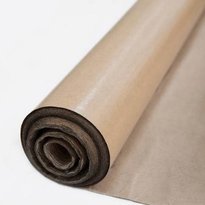
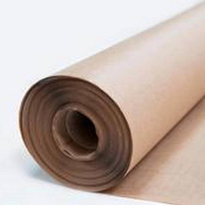
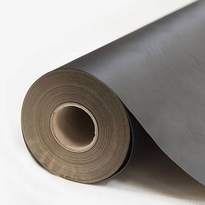
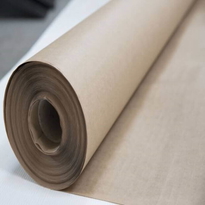
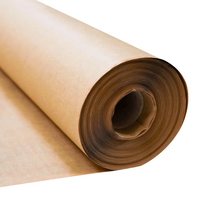
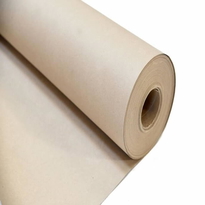
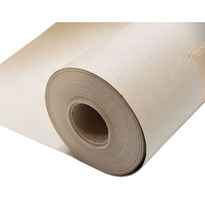
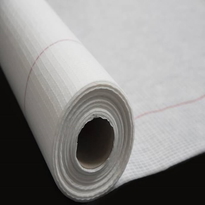
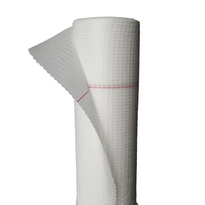
House wrap tar paper is a traditional material made from asphalt-saturated felt or kraft paper that serves as a weather-resistant barrier, safeguarding buildings from moisture and air leaks. It is cost-effective, straightforward to install, and provides moderate vapour permeability. However, it is susceptible to UV damage and can become brittle over time.
Modern alternatives, such as synthetic house wraps, offer enhanced durability and improved handling. Understanding the differences between these materials can significantly impact the long-term performance of your building's envelope.
Choosing the right house wrap is essential for ensuring your property remains protected against the elements while also maintaining energy efficiency. By making an informed decision, you can optimise the resilience and longevity of your structure.
Types and Materials Used in House Wrap Tar Paper
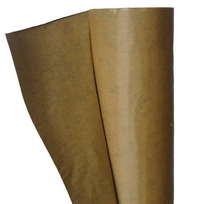
House wrap tar paper is available in a variety of types and materials that influence its performance and appropriateness for differing construction requirements. Traditional asphalt felt, crafted from natural felt saturated with asphalt, provides a robust weather-resistant barrier while allowing some vapour to escape. This material has been used for decades in building construction and remains a staple in many building projects. Grade D building paper, composed of asphalt-impregnated kraft paper, is lighter and frequently employed beneath stucco siding due to its moderate durability and environmental advantages. Asbestos was historically used in similar materials but has been phased out due to health risks. Asphalt-saturated kraft paper shares characteristics with Grade D but delivers enhanced water resistance specifically suited for stucco applications. Modern composite tar papers, which once utilised cotton rags and sawdust, have evolved to be lighter and more cost-effective. Asphalt-impregnated paper, commonly referred to as felt paper, is prevalent for sheathing wraps, offering moderate vapour permeance and providing temporary protection during the construction phase.
Core Functions and Performance Features
Tar paper plays a vital role in protecting buildings by providing several core functions that enhance durability and energy efficiency.
It serves as a water-resistant barrier, effectively preventing liquid water from penetrating walls while absorbing moisture temporarily, which aids in rapid drying. Its permeability increases when wet, facilitating moisture escape and helping to prevent mould growth.
When properly installed, tar paper also acts as an air barrier, minimising air leaks that can lead to heat loss and higher energy bills. Although it's more delicate than synthetic wraps and can be susceptible to UV damage, careful handling ensures that it performs effectively throughout the construction process.
Its moderate vapour permeability allows walls to breathe, assisting in moisture management and preventing damage. Many types of asphalt felt are also ASTM-rated, ensuring consistent quality and performance.
Benefits of Using Tar Paper in Construction
Using tar paper in construction provides a range of practical benefits, making it a favoured choice among builders in the UK.
One of the primary advantages is its cost-effectiveness. Tar paper is generally more affordable than synthetic alternatives, helping to keep building projects within budget. Its long-standing history and widespread availability further reduce procurement costs and simplify planning processes.
Additionally, tar paper serves as an effective water- and moisture-resistant barrier, preventing leaks and safeguarding the roof structure from potential water damage. It also enhances thermal efficiency by blocking external temperatures and reflecting UV rays, contributing to energy savings.
Moreover, tar paper promotes safety during installation by offering improved traction, while its familiarity ensures easier handling for construction teams. Modern synthetic tar paper provides even greater durability and moisture protection, making it a smart upgrade for long-term performance.
With its proven performance, tar paper helps meet building regulations and ensures compatibility with various roofing materials, making it a reliable and practical layer in construction projects.
Limitations and Challenges of Tar Paper
Despite its numerous advantages, tar paper also presents significant limitations and challenges that can impact its performance in construction. Its fragility makes handling and installation particularly difficult, especially when subjected to strong winds or the stresses of construction work. Over time, exposure to sunlight causes tar paper to become brittle and more susceptible to tearing, which diminishes its moisture and air resistance. Furthermore, tar paper tends to absorb moisture and relies on slow evaporation. This characteristic can result in trapped water, leading to potential deterioration. Installation challenges include punctures from fasteners and the necessity for careful overlapping and taping to ensure effectiveness. Additionally, tar paper offers weaker air sealing compared to modern house wraps, which can increase the risk of leaks. These factors may contribute to higher costs, damage, and reduced energy efficiency within a building. The material's limited durability makes it vulnerable to environmental damage, requiring careful consideration during project planning. It is essential for builders and contractors to consider these limitations when selecting materials for construction projects, ensuring that the benefits of tar paper are weighed against its potential drawbacks.
Modern Alternatives to Traditional Tar Paper
Modern building practices in the UK present numerous alternatives to traditional tar paper, each designed to enhance durability, ease of installation, and overall performance.
Synthetic polyolefin house wraps, such as Tyvek and Typar, are lightweight, robust, breathable, and resistant to tearing. Rigid foam insulation boards function as both insulation and weather barriers, thus improving energy efficiency in homes. Additionally, vapor-permeable overlays, like Arctek® Dryshell™, offer a combination of weatherproofing and vapor control, streamlining construction processes. Liquid-applied membranes create seamless barriers that easily adapt to intricate shapes and are further enhanced by intelligent materials that respond to temperature and humidity changes.
These innovative options empower homeowners and builders by providing more reliable, efficient, and long-lasting solutions.
Material |
Benefits |
Limitations |
| Synthetic house wraps | Lightweight, durable, breathable | Potential water trapping if leaks occur |
| Rigid foam boards | Insulation plus weather barrier | Generally higher initial cost |
| Vapor-permeable overlays | Simplifies construction, effective vapour control | Certification may be required in some instances |
| Liquid membranes | Seamless, adaptable, reduces gaps | Requires skilled application |
Embracing these modern alternatives not only enhances building performance but also aligns with a commitment to sustainability and energy efficiency.
Installation Tips and Best Practices
Proper installation of house wrap is essential to ensure it provides effective moisture control and weather resistance. Beginning at the foundation or base, the wrap should extend at least an inch beyond the wall-to-foundation area to enhance protection. All surfaces must be clean, dry, and free from debris to ensure good adhesion.
The house wrap should be unrolled smoothly, avoiding wrinkles and sagging that may obstruct water runoff. Overlapping is crucial; employ the "shingle-lap" method with seams of no less than six inches, and tape all joins with compatible construction tape to seal any gaps. Ensuring proper overlaps and sealing is vital for the house wrap to function as an effective barrier against air and water infiltration.
Securely fasten the wrap with nails or staples spaced no more than 18 inches apart, taking care not to overdrive them to prevent damage.
Keep the side flaps of window openings on the exterior to maintain barrier continuity.
Cut folds carefully to ensure tight sealing around openings.
Ensure all overlaps and penetrations are adequately sealed for a continuous weather-resistant barrier.
The Role of UV Protection and Durability
UV protection is essential for the longevity of house wrap and tar paper when exposed to sunlight. Traditional tar paper tends to degrade rapidly under UV rays, whereas modern synthetic materials are specifically designed to withstand this damage, thereby enhancing their durability. Synthetic materials are more resistant to UV deterioration. Recognising these distinctions is crucial to ensuring that the moisture barrier remains effective throughout the construction process. In the UK, it's particularly important to choose materials that offer robust UV resistance, as this contributes to the overall performance and lifespan of your building's protective layers. By opting for advanced synthetic options, builders can ensure that their projects maintain integrity and efficiency, even when faced with prolonged exposure to sunlight. Understanding these differences not only aids in selecting the right materials but also plays a significant role in safeguarding the structure against potential moisture issues. As the construction industry continues to evolve, prioritising UV protection and material durability will remain a key consideration for successful building practices.
Impact of Sunlight Exposure
Sunlight exposure has a considerable impact on the durability and performance of tar paper utilised in house construction. When tar paper is left exposed to sunlight for an extended period, it begins to deteriorate. The asphalt or tar content fades, resulting in a grey appearance and increased brittleness, which heightens the risk of tears. Exposure to UV rays accelerates the breakdown of the adhesive and fibers in tar paper, further compromising its integrity. This degradation diminishes its capacity to function effectively as a moisture barrier, potentially leading to water damage. Tar paper exhibits less resistance to UV rays compared to synthetic house wraps, which are engineered to endure prolonged exposure to direct sunlight. Key considerations include: - Extended exposure causes the tar to lose its water-resistant properties. - Tar paper becomes brittle and susceptible to tearing. - Prompt coverage reduces the adverse effects of sunlight, thereby extending the lifespan of the material.
Enhancing Material Longevity
Prolonged exposure to ultraviolet (UV) rays can significantly diminish the lifespan of tar paper utilised in construction. This material, composed of fiberglass or polyester fleece coated with asphalt or tar, provides resistance to water but offers only moderate protection against UV light. In comparison, house wraps such as Tyvek feature synthetic non-woven fabrics specifically designed to endure longer periods of UV exposure, remaining effective for an extended duration without succumbing to degradation. UV protective coatings are sometimes applied to improve the material's resistance, further extending their service life. The differences in weather resistance and tear strength between these materials greatly influence how long they can be left exposed before sustaining damage.
Material Type |
UV Resistance |
Tear Strength |
| Tar Paper | Moderate, short-term | Lower, prone to tears |
| House Wrap | High, extended period | Higher, resistant to rips |
Selecting robust materials not only enhances durability but also ensures that buildings remain safeguarded over time, contributing to their overall longevity. It is vital to consider these factors when choosing materials for construction, as they play a crucial role in the longevity and protection of the structure.
Comparing Tar Paper to Synthetic House Wraps
When comparing tar paper and synthetic house wraps, durability and installation efficiency are crucial factors.
Synthetic wraps are generally more robust, resist tearing, and are easier to handle during installation, which can save time and reduce labour costs.
Moisture management also varies, as synthetic materials often provide improved vapour permeability, helping to prevent moisture accumulation within walls.
This feature is especially important because proper vapour permeability can significantly reduce the risk of mold growth and structural damage over time.
Durability and Longevity
Durability and longevity are essential considerations when comparing tar paper and synthetic house wraps.
Tar paper often becomes brittle, tears easily, and deteriorates under prolonged exposure to sunlight. Its tar oils can evaporate over time, leading to a grey appearance and diminished effectiveness.
In contrast, synthetic wraps, such as Tyvek, exhibit superior resistance to UV damage and are designed for extended outdoor use. They maintain their water and vapour barrier properties far longer than tar paper.
Tar paper may only withstand a few months of exposure without sustaining damage, particularly in harsh conditions.
Synthetic wraps can endure for several years before necessitating a cover, thereby minimising delays in construction.
Overall, house wraps demonstrate better weather resistance than tar paper, ensuring that the structure remains protected for a longer duration.
These distinctions significantly influence long-term performance and the selection of materials, depending on climate conditions and project timelines.
Installation Efficiency
Installing house wraps efficiently can significantly impact construction timelines and labour costs.
Tar paper, being heavier, makes the installation process more physically demanding and slower, as workers require additional time to carry, position, and secure it. It also necessitates more fasteners, such as nails or staples, which increases labour effort. Tar paper tends to tear easily, requiring careful handling to prevent delays.
In contrast, synthetic house wraps are lightweight, flexible, and easier to cut and install, allowing crews to work more swiftly and with less exertion. They resist tearing and damage, which reduces the need for repairs and adjustments.
These advantageous features facilitate quicker installation, lower labour costs, and enhanced overall efficiency, helping projects stay on schedule and within budget while fostering a sense of teamwork and achievement.
Moisture Management
Moisture management is a crucial factor when comparing tar paper to synthetic house wraps, as it significantly impacts the durability and safety of wall systems.
Tar paper generally exhibits lower vapour permeability, which can lead to the entrapment of moisture within walls if not adequately ventilated. In contrast, synthetic house wraps, such as Tyvek, feature microscopic pores that permit the escape of water vapour while preventing the ingress of bulk water, thus facilitating quicker drying. This enhanced vapour flow diminishes the likelihood of mould and decay.
The reduced breathability of tar paper can result in moisture accumulation unless it's used in conjunction with appropriate wall design.
Synthetic wraps often incorporate drainage features that effectively shed water.
Proper installation and the correct placement of vapour barriers are vital for both materials to avert moisture-related issues.
Choosing the Right House Wrap for Your Project
Choosing the right house wrap for a project requires a clear understanding of the various options available and aligning them with specific needs. Different types of wraps provide distinct advantages, including water resistance, vapour permeability, and UV stability.
For instance, traditional felt paper is becoming increasingly rare, while synthetic woven wraps, such as those offered by Tyvek, are known for their high vapour permeability and ease of installation.
Drainable wraps, like HydroGap, are designed to enhance water drainage and prevent moisture accumulation behind walls. Additionally, materials such as HardieWrap are recognised for their durability and weather resistance, particularly in challenging climates.
When selecting a house wrap, it's essential to consider factors such as local weather conditions, the speed of construction, and the long-term durability requirements of the building.
Making the right choice ensures effective moisture control, contributing to a comfortable, energy-efficient, and enduring home.
Conclusion
House wrap tar paper remains a dependable building material, offering protection against moisture and air infiltration when installed correctly. While traditional options are effective and economical, modern alternatives provide enhanced durability and easier handling.
Understanding the specific requirements of a project is crucial in selecting the right wrap, ensuring the building's longevity.
Overall, choosing the appropriate house wrap contributes to improved energy efficiency and structural integrity, making it an essential component of construction in the UK.