
Installing Building Paper
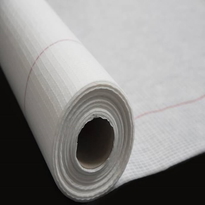
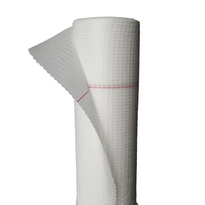
Installing building paper requires thorough cleaning and preparation of the surface to ensure it is dry, smooth, and devoid of dirt or old adhesives. The building paper should be overlapped by a minimum of four to six inches horizontally and six inches vertically, with corners overlapping by no less than twelve inches.
Careful sealing around seams, joints, and any penetrations is essential to prevent water ingress. Particular attention should be given to areas around windows and doors to ensure they are sealed effectively. Conducting a proper inspection guarantees consistent coverage, and following detailed installation guides can provide additional tips for successful application.
Preparing the Surface for Installation
Preparing the surface correctly is crucial for the successful installation of building paper. Firstly, the surface should be clean, dry, and devoid of any dirt, oil, grease, paint, or old adhesives. Mechanical cleaning methods such as shotblasting, grinding, or scarifying are effective in removing laitance, curing agents, and debris. Following this, vacuuming or mopping ensures that dust and loose particles are eliminated, and it's essential for surfaces to be thoroughly dry before proceeding. Any presence of mould or mildew must be addressed, with treatments using inhibitors recommended if necessary. It's vital to repair or replace any damaged or weak substrates, particularly older concrete, to guarantee stability. Surfaces should adhere to specific strength standards, ensuring they're fully cured and moisture-controlled. Testing the moisture content and surface profile ensures optimal adhesion and performance. Proper surface preparation establishes a solid foundation for a long-lasting and effective installation of building paper.
Techniques for Proper Overlapping and Fastening
Proper overlapping and fastening are crucial steps in guaranteeing the effectiveness of building paper as a moisture barrier. Overlaps should be a minimum of four to six inches horizontally and six inches vertically, with corners overlapping by at least twelve inches to prevent water infiltration. This overlapping helps ensure complete coverage and prevents leaks. Starting at the bottom and working upwards aids in natural water shedding. Fasteners, such as galvanised nails or staples, should be spaced every six to twelve inches along seams to secure the paper without causing any tearing. Ensure that fasteners are driven in firmly, but not overdriven, to maintain the integrity of the material. When installing, commence at the foundation, smoothing out the paper to avoid wrinkles, and trim any excess material. Proper overlaps and secure fastening are essential in keeping water out and ensuring the building's integrity over time.
Sealing and Waterproofing Critical Areas
Sealing and waterproofing critical areas is essential for protecting a building from water damage, particularly at joints, penetrations, and transitions where moisture is likely to infiltrate. The application of silicone caulking, when properly diluted in solvents, creates an effective waterproof barrier on building paper fibres. Achieving the right solvent ratio is crucial for effective impregnation. When waterproofing is executed correctly, water droplets will bead on the surface, demonstrating resistance to moisture.
It is important to note that not all solvents yield the same results; for instance, methylated spirits may not produce a reliable hydrophobic layer. Effective sealing requires careful overlapping of materials and ensuring that tapes are pressed down firmly. Below is a quick guide for effective sealing and waterproofing:
Material |
Application |
Key Tip |
| Silicone caulking | Seal around penetrations | Use the correct solvent ratio |
| Flashing tapes | Seal seams and joints | Overlap from bottom upwards |
| Sealants | Fill gaps around wires and pipes | Ensure continuous coverage |
| Building paper overlaps | Direct water outward | Follow a shingle pattern |
Installing Around Windows and Doors
Installing around windows and doors necessitates meticulous attention to detail to ensure a weather-tight seal.
Initially, builders line the bottom and sides of openings with building paper or house wrap strips, forming a continuous moisture barrier. The bottom flashing must overlap beneath the sill plate to direct water outward, while side flashing envelops the jambs and is securely sealed or taped to the flange to avert leaks. Regional preferences may influence the installation approach. Flaps are cut and folded into the opening, covering the framing edges and secured tightly to prevent infiltration. Head flashing and drip caps are positioned above the opening to guide water away effectively. Jambs are sealed with high-quality sealant or tape, and the house wrap should overlap the flanges.
Final Inspection and Ensuring Continuous Coverage
Final inspection marks the final step before a building can be occupied, ensuring that all construction work adheres to safety and quality standards.
During this inspection, the inspector verifies that the building envelope is complete, with no gaps or tears in the weather barriers such as building paper and flashing. They check for proper overlaps, sealed penetrations, and secure fasteners to prevent water intrusion. Additionally, the inspector ensures that building paper has been installed according to manufacturer specifications to maintain its effectiveness. The inspector also confirms that all plumbing and electrical fixtures are functioning correctly, and that wall finishes align with approved plans.
Protection against moisture and vapour barriers must be intact, particularly in climate-sensitive areas.
Documentation from the final inspection highlights any issues requiring repair, and approval ensures that the building complies with local regulations.
This process is essential in creating a safe, durable environment and provides reassurance to all parties involved in the project.
Conclusion
Proper installation of building paper is essential for safeguarding a structure against moisture and weather-related damage. By carefully preparing the surface, overlapping and fastening materials effectively, sealing critical areas, and ensuring continuous coverage around openings, builders can create an efficient waterproof barrier.
Conducting a thorough inspection is vital to confirm that the entire surface is adequately protected. Adhering to these methods guarantees a resilient, weather-resistant layer, which helps maintain the building's integrity and prolong its lifespan.
Accurate installation ultimately saves time and prevents costly repairs in the future. By prioritising these practices, builders can ensure a successful outcome that benefits the overall durability of the construction.