
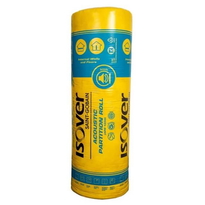
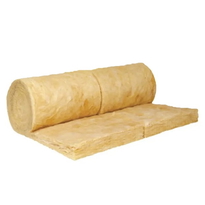
Isover Fibreglass Insulation
Isover Fibreglass Insulation is a high-performance material designed to enhance energy efficiency and soundproofing in buildings. Constructed from natural and recycled glass fibres, it is spun into wool-like strands, providing exceptional thermal resistance and moisture control.
This insulation solution is available in a variety of sizes and thicknesses, making it easy to handle and quick to install. Its eco-friendly production methods contribute to reduced waste and lower emissions, making it a sustainable choice for modern construction.
Isover Fibreglass Insulation not only improves comfort by maintaining consistent temperatures but also aids in minimising noise transmission, creating a quieter living or working environment. Its versatility allows for applications in residential, commercial, and industrial settings, ensuring that it meets diverse insulation needs.
By choosing Isover, you are investing in a product that supports energy conservation and environmental sustainability, making it an ideal option for those looking to improve their buildings while being mindful of their ecological footprint.
Key Features and Benefits of Isover Fibreglass Insulation
Isover fibreglass insulation presents a range of key features and benefits that enhance building performance significantly. Its innovative design contributes to a considerable reduction in heat loss through roofs, which aids in energy conservation and maintains comfortable indoor temperatures.
The insulation helps to create consistent indoor climates, resulting in reduced dependence on heating and cooling systems, ultimately leading to lower energy bills. With its low thermal conductivity, Isover insulation offers excellent thermal resistance, enhancing the energy efficiency of buildings.
Isover’s ULTIMATE product even surpasses traditional options, providing enhanced performance that allows for slimmer layers, making it ideal for various industrial applications. Its high density and thermal performance ensure optimal insulation values for diverse building types.
Furthermore, this fibreglass insulation is moisture-resistant, ensuring that its thermal effectiveness is maintained over time.
These characteristics make Isover insulation a dependable choice for constructing warm, safe, and energy-efficient spaces, fostering a sense of belonging and well-being for occupants.
Understanding the Different Thicknesses and Sizes Available
Isover fibreglass insulation is available in a variety of thicknesses and sizes to cater to diverse project requirements.
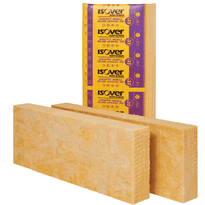
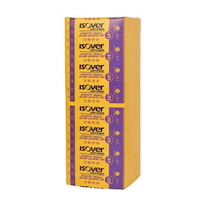
Common formats include slabs, rolls, and batts, each crafted with specific widths and lengths to facilitate straightforward installation.
Selecting the appropriate combination hinges on the intended application, whether for thermal performance, acoustic control, or pipe insulation.
This flexibility ensures that you can find the right solution to enhance energy efficiency and comfort in your building projects.
Available Thickness Options
Isover fibreglass insulation offers a variety of thickness options, each tailored to meet diverse construction and insulation requirements.
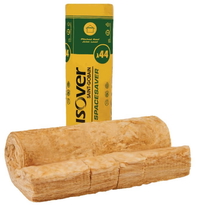
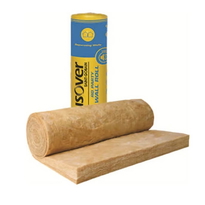
Loft rolls are available in several thicknesses, enabling installers to select the appropriate choice based on the specific needs of the space.
Thinner alternatives are ideal for partial upgrades or areas with limited depth, while the thicker rolls are designed to enhance energy efficiency during colder months.
By combining layers to achieve a greater thickness, you can significantly improve thermal performance, ensuring compliance with building regulations.
The choice of thickness directly influences thermal resistance, with Isover products maintaining consistent thermal conductivity across the range.
These varied options guarantee that every project can achieve the desired level of insulation, promoting comfort and energy savings throughout the year.
ISOEVER PRODUCTS HAVE A SPECIFIC THERMAL CONDUCTIVITY, which means that their insulating properties are consistent regardless of thickness or application.
Standard Widths and Lengths
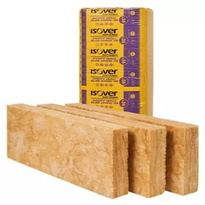
A clear understanding of standard widths and lengths is crucial when selecting fibreglass insulation products, as these dimensions significantly influence installation efficiency and compatibility with building components. Isover glass fibre veils typically come in rolls with a consistent width of approximately 1.30 metres. The lengths vary, depending on the type, with some rolls measuring between 50 and 250 metres, while others can reach up to 300 metres. Roll diameters generally range from 0.2 to 0.4 metres, influenced by the length and type of the roll. These standard dimensions are established by industry standards to ensure compatibility and ease of installation. For slabs, standard widths are commonly 600 mm, with lengths primarily at 1200 mm, designed for easy handling and fitting. Certain sizes can be customised upon request, ensuring the right fit for diverse project needs. Understanding these standard dimensions is essential for effective insulation application, contributing to better thermal performance and energy efficiency in buildings.
Suitability for Projects
Understanding the different thicknesses and sizes of Isover fibreglass insulation is essential for selecting the appropriate product for each project.
Thicker slabs provide enhanced thermal resistance and sound absorption, making them suitable for both residential and industrial applications.
Specialised technical slabs are engineered for original equipment manufacturer (OEM) and industrial uses, optimising heat and acoustic performance.
Isover insulation is available in various formats, including slabs, rolls, and pipe sections, each tailored for specific structures such as walls, pipes, and curved surfaces.
The choice of thickness should align with the specific requirements of your project, with certain products designed to withstand high temperatures, ensuring reliable performance even in demanding environments.
Selecting the right size and thickness guarantees effective insulation, meeting safety standards and contributing to overall comfort.
ISO 9001:2008 standards ensure consistent product quality, providing confidence in durability and performance for your insulation needs.
Composition and Manufacturing Process of Isover Glass Wool
Isover glass wool is produced using natural and recycled raw materials, including sand, soda ash, limestone, and recycled glass, with a significant proportion of recycled content to lessen environmental impact. The manufacturing process begins with melting these raw materials at exceptionally high temperatures to form molten glass. This glass is then spun into fibres that resemble wool, creating a lightweight and effective insulation material. This process ensures that the fibres are uniform and durable, providing consistent thermal and acoustic performance. Emphasising eco-friendly practices, the production of Isover glass wool utilises energy-efficient furnaces and bio-based binders. This results in non-combustible insulation that not only provides excellent thermal performance but also contributes to reducing pollution, making it a sustainable choice for building and construction projects.
Raw Material Melting
The raw materials employed in the production of Isover glass wool are meticulously selected and blended to create a suitable composition for fibre manufacturing.
These materials include silica sand, soda ash, limestone, and recycled glass, which are stored in silos for precise batching.
The inclusion of recycled glass not only diminishes the reliance on new materials but also enhances the melting characteristics of the mixture.
Each material is weighed with precision and combined to ensure uniformity before being introduced into the furnace.
The ratios of the mixture are carefully adjusted to yield glass with the appropriate composition necessary for high-temperature fibreisation.
This process guarantees that the raw materials melt uniformly at temperatures exceeding 1,400°C, resulting in a smooth, molten glass that's primed for fibre formation.
The diligent management of ingredients and temperature culminates in the production of robust, insulation-grade glass wool.
Eco-Friendly Manufacturing
The manufacturing process of Isover glass wool prioritises eco-friendly practices, focusing on sustainable methods from the selection of raw materials to the final production stage. The process incorporates a significant proportion of recycled glass, which aids in minimising landfill waste and conserving natural resources. Recycled glass
Raw materials such as sand, soda ash, limestone, and recycled glass are meticulously weighed and blended. The production avoids the use of harmful gases, ensuring zero potential for ozone depletion. The molten glass is transformed into fine fibres through a process of centrifugal spinning, which creates delicate strands that are then combined with binders and additives to enhance insulation by trapping air. These fibres receive treatment with water-resistant coatings to improve their durability. Following this, the product undergoes curing, is shaped into blankets or boards, and is compressed to regulate density. This meticulous approach makes Isover insulation both sustainable and environmentally friendly at every stage of its creation.
Thermal Performance and Energy Efficiency Enhancement
When considering the enhancement of energy efficiency, the thermal properties of insulation materials are of paramount importance.
Isover fibreglass insulation delivers exceptional thermal performance, significantly reducing energy costs and enhancing comfort levels in buildings.
Key benefits include:
Low thermal conductivity, with products like Climpipe achieving impressive thermal protection for pipes.
Consistent efficiency across a broad temperature range, making it suitable for various industrial applications.
Enhanced thermal performance, surpassing traditional materials, which enables the use of thinner insulation layers.
Long-term stability, ensuring sustained energy savings and durability without compromising insulating qualities.
These characteristics position Isover fibreglass insulation as a highly effective option for developing energy-efficient buildings and systems, promoting a collective commitment to sustainability.
Acoustic Insulation Capabilities and Noise Reduction
Isover fibreglass insulation is renowned for its effectiveness in reducing noise and enhancing soundproofing across various environments.
Isover's mineral wool products can absorb a significant portion of sound energy at specific frequencies, making them highly efficient for acoustic control.
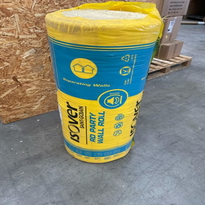
The uniform porosity of Isover Acoustic Partition Roll and slabs significantly improves sound absorption. Additionally, products such as Acoustic SSP2 boards serve as absorbent inserts in walls, ceilings, and air conditioning units, further enhancing acoustic performance.
The fibre structure of Isover’s ULTIMATE™ mineral wool is crafted using an innovative technique that produces high-quality, homogeneous fibres, which boosts sound insulation capabilities.
Its high air-flow resistance coupled with the mass-spring-mass principle effectively reduces noise transmission.
This material is non-combustible and certified as Euroclass A1, ensuring safety alongside acoustic performance.
Lightweight yet durable, Isover insulation not only provides excellent noise reduction but also contributes to creating quieter and more comfortable spaces.
Suitable Applications for Residential and Commercial Spaces
Isover fibreglass insulation is highly regarded for its versatility and effectiveness in both residential and commercial spaces throughout the UK.
Its wide range of applications significantly enhances energy efficiency and comfort.
Loft and roof insulation: The Spacesaver loft roll effectively prevents heat loss, ensuring homes remain warm and reducing heating expenses. Known for being lightweight, moisture-resistant, and durable, it's an excellent choice for lofts. Fiberglass insulation's insulating properties help maintain optimal indoor temperatures.
Wall insulation: Comfort 35 panels are designed to meet the standards of nearly zero-energy buildings (NZEB), making them suitable for new constructions and renovations alike. They create a high-performance thermal envelope, contributing to energy efficiency.
Floor and crawl space insulation: By minimising heat loss through floors, this insulation also helps prevent dampness, thereby enhancing comfort throughout the year.
Pipe and duct insulation: Climcover Ductwrap ensures effective temperature control within HVAC systems, thereby improving energy efficiency and safety.
These applications promote sustainable, comfortable, and efficient environments for all.
Environmental Impact and Sustainability Credentials
Isover fibreglass insulation is specifically designed to enhance energy efficiency while promoting environmental sustainability. It incorporates a significant proportion of recycled materials, thereby minimising the reliance on virgin resources and reducing landfill waste. Recycling processes used in manufacturing help ensure that fewer materials end up in landfills, supporting waste reduction initiatives. This commitment to using recycled glass is in harmony with circular economy principles and helps to lessen the environmental impact of manufacturing. Isover products are instrumental in lowering energy consumption within buildings, leading to a reduction in carbon emissions and supporting adherence to green building standards. Their Environmental Product Declarations offer clear insights into ecological footprints, encompassing aspects such as raw materials, production processes, and waste management. Moreover, Isover’s efficient manufacturing practices conserve resources and decrease emissions, while the lightweight nature of the insulation facilitates reduced transportation energy requirements. The products are designed to emit minimal volatile organic compounds (VOCs) or harmful chemicals, ensuring safer indoor environments and further enhancing their sustainability credentials.
Installation Tips and Best Practices
Proper installation of fibreglass insulation requires careful preparation and attention to surface conditions. First, ensure that cavity walls are clean and free from mortar droppings, as these can diminish insulation effectiveness. Applying a cavity board at the top edge helps prevent mortar from contaminating the insulation surface.
When fitting insulation, use straight-cut edges and ensure that butt joints are tightly secured, particularly around corners, to avoid cold bridges that can reduce thermal performance. It's essential to remove any excess mortar from the cavity face to maintain a smooth surface.
For openings such as doors and windows, measure accurately and cut insulation to fit snugly against damp proof courses. Additionally, secure the insulation using appropriate fixing methods such as pins or fire screws, ensuring that the slabs remain firmly in place for optimal performance.
Logistics, Pricing, and Availability Across the UK
Logistics, pricing, and availability of fibreglass insulation throughout the UK are well-organised to support both small and large building projects.
Most major building supply stores stock Isover insulation, making it easy to obtain locally. Specialist suppliers provide express delivery across the country, ensuring timely completion of projects.
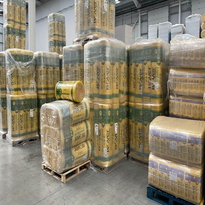
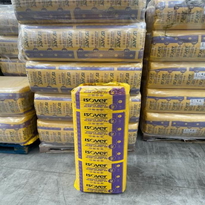
For extensive installations, bulk orders through online retailers come with discounts and secure payment options. The insulation products are packaged in compact rolls, which simplifies transport, storage, and onsite handling.
Availability includes a range of thicknesses and sizes, allowing both homeowners and builders to customise their insulation needs. Prices vary depending on roll size and thickness, with discounts available for bulk purchases.
Conclusion
Isover fibreglass insulation provides excellent thermal and acoustic performance, making it ideal for a variety of residential and commercial applications. With its environmentally friendly manufacturing processes and a comprehensive range of sizes, it ensures both versatility and sustainability.
The installation of Isover insulation is straightforward when proper methods are followed, and its availability throughout the UK enhances accessibility for all users.
Overall, Isover presents a dependable and cost-effective solution for improving energy efficiency and soundproofing. This helps to create comfortable living and working environments while minimising environmental impact.