


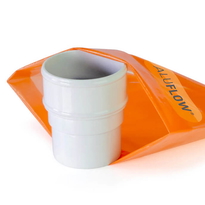
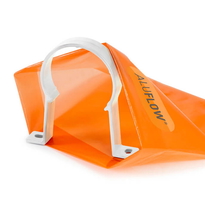
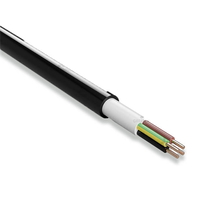
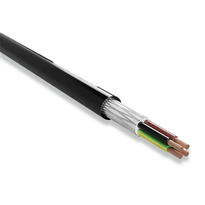
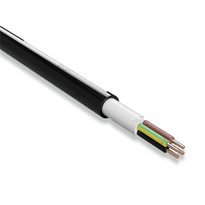
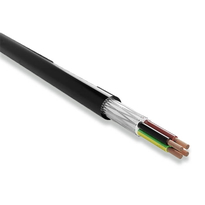
Mass Loaded Vinyl Pipe Wrap
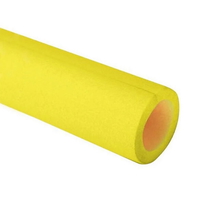
Mass loaded vinyl (MLV) is a dense, flexible material composed of PVC combined with minerals such as calcium carbonate, designed to block airborne noise from pipes. It is commonly wrapped around pipes to minimise sounds associated with water flow, HVAC systems, or machinery, providing an effective sound barrier.
MLV is available in various thicknesses, allowing for tailored solutions to specific noise reduction needs. The installation process involves tightly wrapping the material around the pipes and sealing the seams to ensure maximum efficacy.
Proper application and ongoing maintenance are essential to maximise the benefits of mass loaded vinyl. By following best practices in installation and care, you can achieve long-lasting soundproofing and a quieter environment.
This guide will further explore techniques for optimal use of MLV, ensuring you make the most of this versatile soundproofing solution.
What Is Mass Loaded Vinyl and How Does It Work?
Mass Loaded Vinyl (MLV) is a thin, flexible material primarily composed of polyvinyl chloride (PVC), enhanced with dense minerals such as calcium carbonate to increase its weight and mass. This added mass enables MLV to function as an effective sound barrier by reflecting and blocking sound waves, rather than absorbing them. Its high density allows it to be highly effective in reducing sound transmission. MLV works mainly by adding substantial weight to surfaces, thereby preventing sound from penetrating walls, ceilings, or pipes. Unlike porous materials, which absorb sound energy, MLV reflects it, significantly reducing airborne noise across various frequencies. Its flexibility allows it to easily wrap around irregular shapes, such as pipes or ducts. Reinforced with durable fabrics, MLV isn't only tough but also straightforward to install, making it a popular choice for those seeking a discreet yet effective solution for soundproofing. Whether for residential or commercial applications, MLV offers a practical approach to managing noise levels in a variety of settings.
Selecting the Right Thickness and Density for Pipe Wrapping
Selecting the appropriate thickness and density for pipe wrapping is crucial, as it directly influences noise reduction and compatibility with various types of pipes.
Thinner mass-loaded vinyl (MLV) offers enhanced flexibility and is easier to install in confined areas, making it an ideal choice for residential applications. In contrast, thicker materials deliver superior soundproofing capabilities, particularly for industrial settings or when addressing low-frequency noise issues. Different weights of MLV provide varying degrees of sound attenuation, allowing you to select the best option based on your specific needs.
Understanding these differences is essential for ensuring that the chosen material meets both the specific requirements of the application and the limitations of the available space.
Optimal Thickness Choices
Selecting the appropriate thickness for mass loaded vinyl (MLV) pipe wraps involves striking a balance between noise reduction capabilities and ease of installation. Thicker options provide enhanced soundproofing but tend to be heavier and less flexible. Manufactured from post-industrial recycled content, making them an environmentally friendly choice for sustainable building projects. Consider the following options:
1/16" thickness weighs approximately 0.5 lbs per sq ft, making it suitable for light noise such as soft voices, although its effectiveness in blocking louder sounds is limited.
1/8" thickness, the most commonly used, weighs around 1 lb per sq ft and offers moderate noise reduction that's suitable for general piping applications.
1/4" thickness weighs approximately 2 lbs per sq ft and provides maximum sound blocking, making it ideal for high-noise environments.
Higher density and thicker layers enhance soundproofing further but may complicate installation on smaller pipes.
Choosing the right thickness hinges on several factors including the noise level, pipe dimensions, and ease of application, ensuring you achieve the optimal balance for your requirements.
Dense vs. Lightweight MLV
When selecting the appropriate type of mass loaded vinyl for pipe wrapping, it's essential to consider the material’s density and overall weight.
Dense mass loaded vinyl typically offers a substantial sound barrier due to its composition of heavy compounds, making it an effective choice for soundproofing. Although it's heavier, this type remains flexible, enabling straightforward application around pipes.
On the other hand, lightweight mass loaded vinyl is thinner and significantly lighter, which makes it a more economical option. Its ease of installation is particularly beneficial in confined spaces.
While dense mass loaded vinyl excels in soundproofing, particularly at lower frequencies, the lighter versions still provide effective noise reduction for smaller projects. Lightweight options are often more cost-effective without sacrificing performance for moderate noise issues.
Both variations are durable, with dense mass loaded vinyl offering superior control over sound transmission, making it ideal for industrial or commercial applications.
Ultimately, the choice between dense and lightweight mass loaded vinyl should be guided by the specific requirements of the project and the environment in which it will be used.
Application & Space Needs
The selection of thickness and density for mass loaded vinyl (MLV) pipe wrapping is largely influenced by the specific noise reduction objectives and the spatial constraints.
Thinner options, such as 1/16" MLV, are ideal for softer sounds and confined areas. Medium thicknesses, like 1/8", offer a balanced solution for general applications, effectively blocking conversational noise. Thicker versions, such as 1/4", provide superior soundproofing for louder environmental disturbances.
When applying MLV, envision the following scenarios:
Wrapping around a narrow pipe in a cramped chase, ensuring it fits snugly.
Overlapping edges meticulously to prevent any sound leakage.
Layering multiple materials for enhanced soundproofing within limited space.
Securing ends firmly to eliminate vibrations and gaps.
Proper installation techniques are crucial to maximize the soundproofing effectiveness of the insulation.
Choosing the appropriate thickness and density is essential for achieving effective noise control while accommodating the constraints of shared spaces.
Step-by-Step Guide to Installing MLV Around Pipes
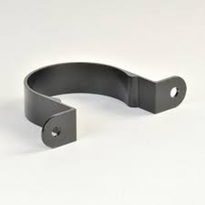
Installing MLV around pipes requires careful preparation and precise execution to ensure effective soundproofing. First, ensure the pipe surface is clean and dry to maximise adhesion. Measure the pipe’s circumference and length accurately, then cut the MLV strips slightly longer than needed to allow for overlaps. Using high-quality MLV can improve soundproofing effectiveness. Wrap the MLV tightly around each pipe, ensuring there are no gaps, and overlap seams by a couple of inches to prevent sound leaks. Secure the material using nails or staples with plastic washers at regular intervals, and consider applying acoustical sealant along seams for added airtightness. Once wrapped, inspect all areas to confirm full coverage, ensuring seals are tight around penetrations and joints. Proper preparation and careful fastening will help achieve the best soundproofing results.
Combining MLV With Additional Soundproofing Materials
Combining Mass Loaded Vinyl (MLV) with additional soundproofing materials can significantly enhance noise control efforts. This approach creates a robust barrier that effectively blocks and absorbs sound. Advanced acoustic barrier Consider these options: - Wrapping MLV with quilted fibreglass, resembling a cosy blanket layered with a dense, metallic sheet. - Adding sheetrock or resilient channels, which form a sturdy, multi-layered wall that dampens vibrations. - Sealing seams with acoustic caulk, effectively closing even the smallest sound leaks. - Incorporating damping compounds, transforming walls into sound-absorbing surfaces akin to finely tuned musical instruments. These combinations help create tranquil spaces, fostering a sense of belonging for everyone inside. They provide a comprehensive solution ideal for reducing a wide range of noises in various environments.
Benefits of MLV Pipe Wrap for Noise Reduction and Fire Safety
Mass Loaded Vinyl (MLV) pipe wrap provides substantial advantages for noise reduction and fire safety across various environments. Its dense and flexible composition effectively blocks and absorbs airborne noise, minimising sound generated by pipes, water flow, and HVAC systems. MLV’s high density contributes significantly to its soundproofing capabilities. When paired with additional materials such as fibreglass, MLV enhances soundproofing by deflecting and absorbing noise across a wide frequency spectrum. In terms of fire safety, specific MLV wraps are designed with fire-resistant materials, ensuring they meet the rigorous demands of both industrial and commercial applications. These wraps are often laminated with materials like foil-faced fibreglass or metal facings, including aluminium or stainless steel, which contribute to their durability and overall effectiveness. MLV is resistant to heat, rot, and corrosion, promoting long-lasting safety in a variety of settings. Its robust nature and resistance to environmental factors guarantee reliable performance, aiding in the creation of quieter and safer spaces. This is particularly crucial in buildings where noise control and fire safety are of paramount importance.
Common Applications and Best Practices for MLV Pipe Encapsulation
Where's mass loaded vinyl (MLV) pipe wrap most commonly used? It's frequently applied in environments where noise reduction is essential. Some typical applications include:
Waste and drainage pipes – MLV helps muffle gurgling sounds and water flow noise, providing a modern alternative to older cast iron pipes.
HVAC ducting – Surrounding heating and cooling vents with MLV can significantly reduce vibrations and sound transmission.
Plumbing and valves – Wrapping noisy fixtures with MLV contains operational sounds, enhancing overall comfort in living and working spaces.
Industrial machinery pipes – In factories, MLV is effective in diminishing loud mechanical noises and vibrations produced by machinery.
These applications contribute to a quieter, more pleasant environment. MLV's effectiveness in various settings makes it a versatile solution for soundproofing. Proper installation is crucial for achieving optimal results, which involves ensuring clean surfaces, accurate measurements, and effective sealing techniques.
Furthermore, combining MLV with insulation can enhance sound control while maintaining durability and safety.
Tips for Maintaining and Ensuring Seal Integrity Over Time
To ensure the long-term effectiveness of MLV pipe wrap, proper maintenance and regular inspections are essential for preserving seal integrity. Consistently check for gaps, loose edges, or damage, and reapply tape or adhesive as needed. Adequate surface preparation and careful installation are crucial for lasting adhesion. Sealing seams tightly with high-quality, acoustically rated tape prevents sound leakage and maintains vibration resistance. It is important to protect the wrap from moisture, mechanical damage, and extreme temperatures to extend its lifespan. Regular inspections help identify issues early, which can avoid costly repairs later.
Here are some helpful tips for ongoing maintenance:
Tip |
Action |
Purpose |
| Regular visual checks | Look for gaps or damage | Early detection of issues |
| Reinforce seams | Reapply tape or adhesive | Maintain airtight seal |
| Keep clean and dry | Gently clean surfaces | Preserve adhesive strength |
| Protect environment | Shield from moisture and impact | Prevent deterioration |
| Document maintenance | Track inspections and repairs | Ensure long-term performance |
Conclusion
Mass loaded vinyl pipe wrap is an effective solution for reducing noise and enhancing fire safety when it is properly selected and installed. Its dense composition blocks sound transmission, making it suitable for a variety of applications across the UK.
By following straightforward installation and maintenance guidelines, you can ensure long-lasting performance from your pipe wrap. Combining mass loaded vinyl with other soundproofing materials may further enhance its efficacy in noise control.
In summary, mass loaded vinyl provides a practical and durable option for managing pipe noise, making it an invaluable choice for numerous building and renovation projects.