
Mineral Wool Insulation
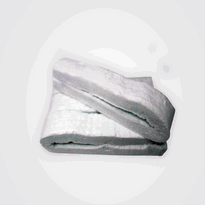
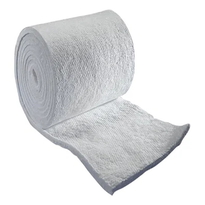
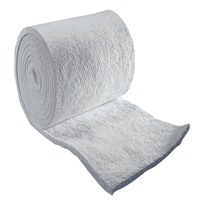
Mineral wool insulation is produced by melting natural stones such as basalt or industrial waste slag to create fibers that provide high thermal resistance, fireproof qualities, and effective sound absorption. It is non-combustible, resists moisture, and maintains stability over time, making it suitable for a wide range of building applications.
This type of insulation is environmentally friendly, energy-efficient, and durable, contributing to long-term cost savings. Its composition and various types offer versatile solutions for sustainable construction. Understanding the benefits of mineral wool can significantly enhance insulation choices, supporting the development of more energy-efficient and fire-safe buildings across the UK.
Composition and Types of Mineral Wool
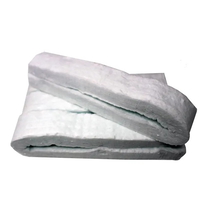
Mineral wool is an inorganic, non-metallic insulation material produced by heating natural stone or silica-based raw materials until they become molten, then spinning or drawing these liquids into fibrous mats. It is renowned for its high temperature resistance and fireproof qualities. Primary raw materials include basalt, diabase, iron ore waste slag, and other stone fibers. These materials are heated to very high temperatures to produce molten rock or slag, which is then spun into fibers with a fibrous, open-cell structure that traps air. There are two main types: rock wool, made from natural stones like basalt or diabase, known for its fire resistance; and slag wool, derived from industrial waste slag, offering an eco-friendly option. Additionally, glass mineral wool is made from molten glass spun into fibers. These types vary in density and form, tailored to specific insulation needs, and are suitable for diverse thermal and acoustic applications.
Insulating Performance and Acoustic Benefits
The insulating performance and acoustic benefits of mineral wool are primarily attributed to its unique fibrous structure, which offers both high thermal resistance and effective sound absorption. Its density enables it to trap and dissipate sound waves, thereby reducing airborne noise transmission within buildings and enhancing acoustic comfort. Additionally, the material’s thermal performance is notable, with typical U-values around 0.30 to 0.40 W/m²K, making it suitable for achieving consistent insulation results, especially when compression is avoided. Its fibrous composition also prevents thermal bridging, further improving its insulation properties.
Specifically:
Mineral wool maintains stable insulation properties over time due to its resistance to compression and settling, ensuring long-term thermal efficiency. Its dense fibers outperform fiberglass in sound absorption capabilities, effectively minimizing echoes and reverberation. When installed tightly, it creates an air-impermeable barrier, further reinforcing both thermal insulation and soundproofing performance. Moreover, its fire-resistant properties make it a safe choice for various building applications, supporting both insulation and fire safety standards.
Fire Safety, Moisture Resistance, and Durability
Mineral wool insulation provides significant benefits in fire safety, moisture resistance, and durability, all of which enhance building performance and occupant safety. Its capacity to withstand temperatures exceeding 1000°C and its classification as A1 non-combustible ensure it won't ignite or promote the spread of fire, effectively containing fire outbreaks and reducing the emission of smoke toxins. Made from mineral wool, known for its high fire resistance and noncombustible properties, the fibrous nature of mineral wool naturally resists the absorption of liquid water, which helps prevent mold growth, mildew, and moisture-related decay. Its thermal insulation properties also contribute to energy efficiency by minimizing heat transfer and maintaining comfortable indoor temperatures. Additionally, it allows vapor to pass through, maintaining its insulation properties over time and helping to regulate indoor humidity levels. In terms of durability, mineral wool resists compression, pests, and microbial growth, offering long-term stability across various environmental conditions. This combination of fire resistance, moisture management, and structural robustness strengthens overall building safety, lowers maintenance requirements, and supports compliance with vital safety standards.
Environmental Advantages and Cost Effectiveness
Using mineral wool insulation can significantly improve a building’s energy efficiency by reducing the need for heating and cooling, which in turn lowers overall energy consumption and associated costs. This reduction leads to notable environmental benefits, including a decrease in greenhouse gas emissions over a building's lifecycle. Specifically, mineral wool offers:
Enhanced thermal performance with low thermal conductivity values, meaning less energy is needed for temperature regulation.
Contribution to sustainability by helping buildings lower their carbon footprint, considering that buildings account for over one-third of EU CO2 emissions.
Cost savings over time due to energy efficiency, durability, and minimal maintenance requirements, making it a cost-effective choice despite initial installation costs.
While production emissions should be considered, the overall environmental impact remains positive for climate-conscious construction. Additionally, modern manufacturing processes aim to reduce the use of formaldehyde binders, further decreasing health and environmental concerns associated with mineral wool. The use of recycled materials in its production also enhances its eco-friendly profile.
Conclusion
Mineral wool insulation provides a durable, fire-resistant, and thermally efficient material suitable for a variety of building applications. Its excellent acoustic properties, resistance to moisture, and environmental benefits make it a practical choice for both new builds and renovations. Cost-effective and designed for long-term performance, mineral wool’s composition and types can be customized to meet specific insulation requirements. A thorough understanding of its features ensures correct installation, thereby enhancing building safety, energy efficiency, and sustainability over time.