


Plumbing Sound Insulation
Plumbing sound insulation is essential for minimising noise in your home or workplace. It utilises materials such as foam, fibreglass, rubber, or mineral wool to wrap pipes and dampen vibrations effectively.
For optimal results, proper installation is crucial. Secure your pipes with rubber-lined clamps, employ decoupling techniques, and seal joints with acoustic sealants to prevent sound leakage. Using durable, dense materials like cast iron and mass-loaded vinyl can significantly help in blocking noise transmission.
Maintaining these sound insulation methods ensures long-term comfort and tranquillity. For those eager to enhance their soundproofing strategies further, numerous advanced techniques are available to explore.
Understanding the Causes of Plumbing Noise
Have you ever wondered what causes the peculiar noises emanating from your plumbing? High water pressure can often result in vibrations and buzzing sounds as water flows through the pipes. When the pressure exceeds a certain level, pipes may bang and rattle, putting stress on the system and necessitating the installation of pressure regulators or valves. Additionally, pressure fluctuations can lead to inconsistent noises that are difficult to diagnose. Sudden halts in water flow lead to a phenomenon known as water hammer, which produces a loud banging noise due to hydraulic shock. Additionally, faulty pressure regulators can permit elevated pressure, thereby amplifying noise and increasing the risk of damage. Loose pipes, particularly in hot water lines, may vibrate or creak as they shift and rub against walls or supports caused by thermal expansion. Trapped air bubbles can also create rattling or banging sounds as they travel with the water.
Benefits of Cast Iron Pipes for Noise Reduction
Cast iron pipes provide excellent noise reduction due to their dense and heavy structure, which naturally dampens sound. Their unique microstructure is effective at absorbing vibrations, thereby preventing sound from travelling through walls or floors. This characteristic makes cast iron pipes significantly quieter than their plastic counterparts. In addition, the high mass of cast iron also helps in isolating sound transmission, making them an ideal choice for applications where preventing noise disturbance is essential. The acoustic benefits of using cast iron pipes aren't just immediate; they deliver consistent, long-term advantages, contributing to a more tranquil environment in buildings. This makes them an ideal choice for both residential and commercial settings where noise control is a priority.
Superior Sound Dampening Qualities
Due to their dense and heavyweight construction, cast iron pipes are exceptionally effective at reducing plumbing noise. Their superior sound dampening qualities arise from their significant mass, which absorbs and mitigates sound waves produced by water flow and waste movement. Cast iron pipes are known to be considerably quieter than plastic alternatives, such as PVC, with typical sound levels being much lower. This makes them particularly suitable for buildings where tranquillity is paramount. Additionally, the microstructure of cast iron plays a crucial role in its ability to dampen sound, further enhancing its acoustic performance.
The following table highlights key features that contribute to their noise reduction:
Feature |
Effect |
Benefit |
| Dense, heavy material | Absorbs sound energy | Reduces noise transmission |
| Graphite flakes | Dampen vibrations | Minimises sound vibrations |
| Rubber gasket joints | Isolate pipe sections | Minimises metal contact noise |
| Fire and corrosion resistance | Preserves sound qualities over time | Ensures long-lasting quietness |
| Dimensional stability | Prevents noise from expansion/contraction | Ensures consistent quiet operation |
Resistance to Vibrations
The dense and thick composition of cast iron renders it highly resistant to mechanical vibrations caused by flowing water or waste. This rigidity effectively prevents vibrations from travelling through the pipes, which significantly reduces noise levels in living spaces. Cast iron's high-temperature resistance also ensures performance stability in hot water environments. In contrast to lighter materials such as PVC, cast iron absorbs much of the kinetic energy resulting from impacts or external forces, thus stabilising the system against vibrations. Its considerable weight and durability further protect against cracking or deformation under stress, ensuring consistent acoustic performance over time. Due to these advantageous properties, cast iron pipes are particularly effective in minimising disruptive sounds like gurgling, sloshing, and gushing. The vibration resistance of cast iron makes it an ideal choice for buildings where noise control is paramount, contributing to a tranquil and harmonious environment for residents.
Long-Term Acoustic Benefits
The long-term acoustic advantages of cast iron pipes arise from their robust and stable material characteristics. They retain their sound insulation properties over many years without deterioration, ensuring ongoing noise reduction. Their density and mass have been proven to effectively absorb sound waves, further enhancing their noise mitigation capabilities. Unlike plastic pipes, cast iron doesn't significantly contract or expand with temperature fluctuations, thus minimising additional noise caused by thermal movement. Its substantial mass and rigidity effectively reduce vibration transmission, ensuring quiet operation over an extended period. Protective coatings and linings assist in resisting corrosion, enabling the pipes to remain intact and sustaining their soundproof qualities. Given their impressive lifespan, engineers and homeowners can rely on cast iron pipes to consistently diminish plumbing noise in the long term. This reliability contributes to a more serene and comfortable environment within homes and buildings, fostering peaceful living and working spaces.
Effective Materials for Soundproofing Plumbing Systems
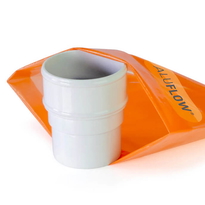
Choosing the right materials is crucial for effectively soundproofing plumbing systems. Acoustic foam is excellent for absorbing airborne noise, while vinyl barriers add mass to significantly reduce vibration noise. These products are conveniently available in rolls or can be cut to size, making installation straightforward. Proper installation is essential to maximize their effectiveness and ensure long-lasting noise reduction. Mass-loaded vinyl (MLV), when combined with foam or fibreglass layers, provides robust sound attenuation. Its tear-resistant polyester film is designed to withstand heat and movement, ensuring durability. Specialty composites like Quiet Barrier® feature multiple layers, incorporating heat-resistant polyester and sound-blocking materials that are specifically designed to achieve high noise reduction, even from pipes that whistle or squeak. Quiet Wrap™ and similar pipe wraps are user-friendly and can be installed during or after construction, effectively mitigating both water noises and impact sounds. MLV offers a quick and efficient solution for sound blocking, particularly on drain pipes, while vibration dampening materials help isolate vibrations, further reducing noise transmission.
Techniques for Insulating and Wrapping Pipes
Choosing the right insulation materials is essential for effectively reducing sound transmission, with options such as foam, mass-loaded vinyl, and fibreglass offering various advantages. Proper wrapping techniques involve accurately measuring, cutting, and applying the material snugly around the pipe to prevent any gaps or wrinkles. Selecting the appropriate material can also help improve thermal insulation along with soundproofing. Ensuring secure seals at joints and along the length of the wrapping maximises soundproofing efficacy and helps to prevent heat loss.
Selecting Insulation Materials
Selecting the appropriate insulation materials for pipes involves understanding their distinct properties and how they cater to various applications.
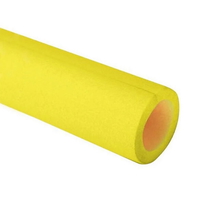
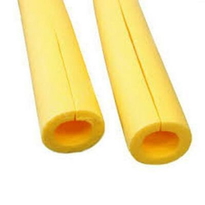
Foam insulation offers excellent sound dampening and moisture resistance, making it ideal for minimising pipe noise in heated environments.
Fibreglass exhibits high resistance to heat and corrosion, making it suitable for hot water pipes.
Rubber insulation is both flexible and moisture-resistant, providing protection against temperature fluctuations, and is particularly beneficial in water-prone areas.
Mineral wool delivers outstanding sound absorption and fire resistance, albeit at a higher cost, making it a prudent choice for settings where safety is paramount.
Polyethylene is lightweight, flexible, and resists moisture, making it an excellent option for cooling systems.
Choosing the right material hinges on factors such as sound control, thermal performance, moisture resistance, and environmental considerations, ensuring that pipes remain quiet, efficient, and durable.
Proper Wrapping Techniques
Effective wrapping techniques are essential for ensuring that pipe insulation performs properly and provides the intended benefits.
To begin, insulation materials such as fibreglass should be unrolled with the foil facing upwards and wrapped with slight overlaps, covering the entire pipe. It's crucial not to wrap too tightly, as compression can reduce the effectiveness of the insulation. Secure the wrap with tape—utilising acrylic or duct tape—at intervals, particularly near ends and overlaps.
For pipes situated near heat sources, ensure insulation is kept at least six inches away, or consider using unfaced fibreglass if closer proximity is necessary. When navigating bends or corners, carefully overlap sections to maintain continuous coverage.
Always handle fibreglass with gloves and a dust mask to prevent irritation. Proper wrapping techniques not only help in noise reduction but also maximize energy efficiency by minimizing heat loss.
Proper wrapping guarantees optimal sound and temperature insulation, delivering long-lasting performance.
Ensuring Secure Seals
Once pipes are wrapped with insulation, securing a tight, reliable seal becomes the next vital step to prevent sound leaks and enhance overall effectiveness. Utilising materials like Mass Loaded Vinyl (MLV) creates a dense barrier that blocks noise, while pipe lagging strengthens the airtight seal. Sealants such as acoustic caulk are applied around joints and seams to further prevent sound leaks. Rubber-lined clamps and specialised hangers help reduce vibrations and ensure the insulation remains in place. Properly secured supports and adjustable clamps provide flexibility and a firm fit, minimising movement that could cause noise. Combining these techniques guarantees that the insulation remains airtight and vibration-free, significantly improving soundproofing. Applying proper sealing techniques is crucial for maximizing soundproofing results. A well-sealed pipe system not only muffles noise but also elevates overall acoustics, making the environment more comfortable for everyone.
Using Decoupling Methods to Minimize Vibrations
Decoupling methods play a crucial role in minimising vibrations within plumbing systems by physically separating pipes from structural components. This approach effectively prevents the transfer of vibrations, which is a primary source of noise.
Materials such as resilient clips, resilient channels, and specialised framing—like double or staggered studs—are utilised to suspend pipes, creating air gaps that serve as vibration buffers. These gaps disrupt the pathway of vibrations, reducing both structural and airborne noise.
When decoupling techniques are combined with damping materials, their effectiveness is significantly enhanced, particularly at lower frequencies. Properly designed decoupling reduces resonance and vibration-induced noise, resulting in quieter and more comfortable environments.
Testing demonstrates that decoupled setups can substantially improve soundproofing, allowing everyone to enjoy a more peaceful atmosphere.
Advanced Soundproofing Solutions and Products
Advanced soundproofing solutions and products provide effective methods to minimise noise from plumbing systems. Materials such as mass-loaded vinyl, when wrapped around pipes, combine flexibility and weight to absorb vibrations efficiently.
SikaDamp 630, a peel-and-stick sheet, aids in insulating pipes and reducing noise levels, while acoustic caulk effectively seals gaps to prevent sound leakage.
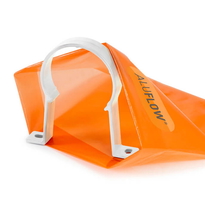
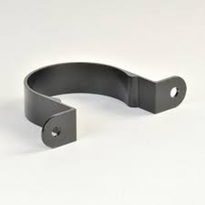
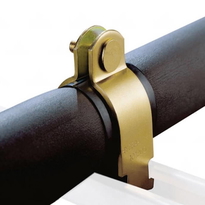
Rubber-lined pipe clamps decouple pipes from structures, thereby diminishing vibrations, and using fibreglass or foam decouplers adds additional insulation layers. Vibration isolators and flexible pipe connectors further reduce the transfer of noise throughout the system.
Professional options, including blown-in insulation, resilient channels, and drywall equipped with damping compounds, create robust sound barriers, particularly in walls and ceilings.
Innovative products like pipe wraps, soundproof panels, and specialised hangers contribute significantly to quieter, more comfortable living environments, ensuring that plumbing noise becomes less of a concern.
With these advanced strategies, you can greatly enhance the tranquillity of your home.
Challenges Encountered in Plumbing Noise Control
Controlling plumbing noise presents numerous challenges due to various factors that affect sound transmission through a building's systems. The size, routing, and material of pipes significantly influence noise levels.
For instance, oversized or improperly routed pipes can create turbulence, which amplifies sound, especially when there are sharp bends or limited space that necessitate awkward layouts. The choice of materials is also critical; while PVC or metal pipes may transmit vibrations more readily, alternatives like cast iron or high-density polyethylene (HDPE) are more effective at dampening sound, albeit often at a higher cost or increased weight.
Water hammer, caused by sudden valve closures, can result in loud banging noises, a problem exacerbated by high water pressure or loosely fitted pipes. Additionally, inadequate insulation and confined spaces can act as resonant chambers, further transmitting noise throughout the structure.
Pipe Size & Routing |
Material & Vibration |
Pressure & Insulation |
| Turbulence from improper sizing | Rigid pipes transmit more noise | Water hammer causes banging |
| Sharp bends amplify sound | Vibrating pipes transfer noise | Inadequate insulation worsens sound |
| Limited space causes compromises | Loose pipes vibrate against walls | Small cavities increase resonance |
| Complex layouts add vibration | Metal pipes transmit vibrations | High pressure worsens noise |
| Poor design increases challenges | Flexible supports reduce vibration | Retrofitting can be costly and disruptive |
Maintenance Tips for Sustaining Soundproofing Efficiency
Maintaining the effectiveness of soundproofing in plumbing systems necessitates regular attention to insulation and surface conditions.
Inspect pipe insulation, foam sleeves, and wraps for signs of wear, cracks, or displacement, replacing them as necessary. Routine plumbing inspections are vital for identifying leaks, corrosion, or mineral buildup that can amplify noise levels.
It's crucial to tighten or replace any loose pipe hangers and clamps to prevent annoying rattling sounds. Keeping water pressure within recommended levels is essential to mitigate water hammer, which can harm insulation and increase noise.
Installing devices such as water hammer arrestors and pressure-reducing valves can help dampen pressure surges effectively. Securing pipes away from structural elements using rubber-lined clamps and isolating them with neoprene sleeves will minimise vibration transmission.
Routine visual checks and occasional flushing will help preserve soundproofing performance over time, ensuring a quieter environment.
Cost Considerations and Long-Term Savings
Investing in plumbing sound insulation involves both initial expenses and potential long-term savings, making it an important consideration for homeowners in the UK.
The upfront costs typically include pipe insulation, along with soundproof drywall, which can vary in price depending on the quality and thickness. Additional expenses may arise from the need for extra layers to enhance soundproofing.
While some materials, such as mass-loaded vinyl, are effective in reducing noise, they can be pricier, although only small quantities are required for significant results. Labour charges can also differ greatly and may influence the overall investment.
However, proper insulation not only helps prevent issues like pipe freezing but also reduces heat loss, thereby improving energy efficiency and potentially lowering utility bills.
Moreover, maintaining soundproofing measures can prevent costly repairs in the future, leading to considerable savings through energy reduction and damage prevention.
These investments not only enhance home comfort but can also increase property value, making them a wise choice for homeowners looking to improve their living environment.
Conclusion
Proper insulation and effective materials can significantly reduce plumbing noise, enhancing comfort and privacy in your home. Utilising cast iron pipes, soundproofing wraps, and decoupling techniques helps minimise vibrations, effectively addressing common noise issues associated with plumbing systems.
Regular maintenance is essential to ensure that these soundproofing solutions remain effective over time. Although the initial investment may be higher, the long-term savings derived from reduced noise and increased system durability make these strategies worthwhile.
Overall, investing in sound insulation not only improves the quality of living spaces but also maintains efficient plumbing performance. By taking these steps, you can create a more peaceful and enjoyable environment in your home.