
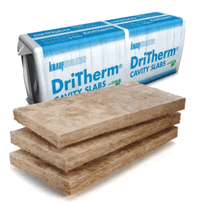
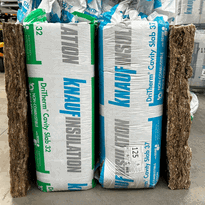
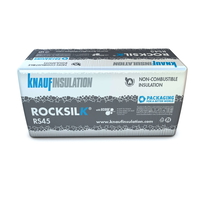
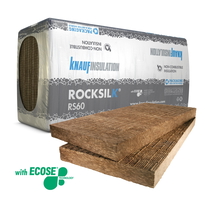
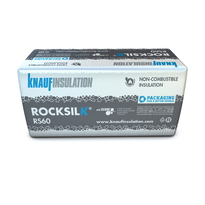
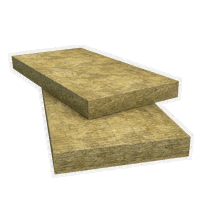
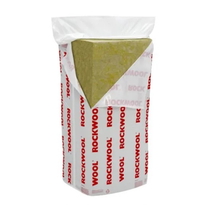
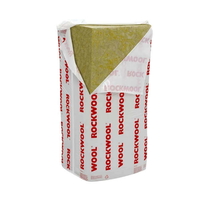
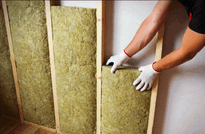
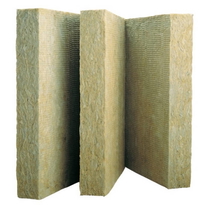
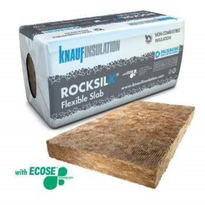
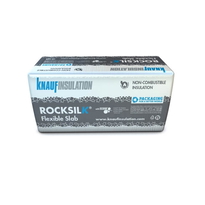
Rockwool Floor Insulation
Rockwool floor insulation, made from natural volcanic rocks, provides high thermal resistance, soundproofing, and fire-resistant properties, making it ideal for enhancing long-term building safety and efficiency. Its dense, fibrous structure resists moisture, pests, and chemicals, ensuring durability across various environments. Additionally, it promotes energy savings by reducing heat transfer and maintains structural stability over many years. Its eco-friendly composition, which includes recycled materials, further supports sustainability. To gain a better understanding of its installation methods, performance benefits, and application considerations, continue exploring these key aspects.
Benefits of Rockwool for Floor Insulation
Rockwool is an excellent choice for floor insulation due to its combination of high thermal performance, soundproofing qualities, fire resistance, and durability.
Its high thermal resistance helps to retain heat effectively, reducing energy loss and contributing to lower utility bills. This also promotes a more consistent indoor temperature, enhancing comfort within the home or workplace. Weather-resistant properties of Rockwool add to its suitability for various environments, including exposed locations.
The dense fibrous structure of Rockwool absorbs sound efficiently, significantly minimising noise transmission between floors. This creates a quieter environment, which is essential for both comfort and privacy in residential and commercial settings.
Additionally, Rockwool’s fire-resistant properties enable it to withstand temperatures of up to 1000°C without melting or releasing toxic fumes. This enhances safety during a fire emergency, offering peace of mind.
Furthermore, Rockwool resists moisture, mould, pests, and chemical degradation. Its ability to maintain its insulating properties over time means it doesn't sag, shrink, or settle, ensuring long-term performance and reliability. Long-term stability of Rockwool ensures consistent insulation performance over decades, reducing maintenance costs.
These attributes collectively make Rockwool an economical, safe, and sustainable insulation material, supporting comfortable, energy-efficient, and secure living or working environments across the UK.
Material Composition and Environmental Sustainability
Rockwool floor insulation is primarily made from natural volcanic rocks, such as basalt and diabase. These rocks are melted at high temperatures—around 1500°C—to produce a liquid that's then spun into fine fibres. This process results in a dense, fibrous material that's well-suited for various forms of insulation. This manufacturing method ensures the material's thermal and acoustic properties are optimized. It ensures the product is both efficient and safe, containing no added chemicals, and being chemically inert and non-toxic. To promote sustainability and reduce waste, recycled slag is incorporated into the manufacturing process. The fibre structure is designed to withstand moisture while allowing water vapour to pass through, helping to maintain a healthy indoor environment. Made from abundant natural resources, rockwool is 100% recyclable and has a lifespan exceeding 50 years. Its durability, recyclability, and contribution to energy-efficient building practices support environmental sustainability and environmentally responsible manufacturing.
Thermal Performance and Energy Efficiency
The thermal performance of Rockwool floor insulation primarily depends on its thermal conductivity, also known as the lambda value. This typically ranges from approximately 0.032 to 0.044 W/mK, with advanced products like NyRock® achieving the lower end of this scale. These measurements are standardized through rigorous factory testing, ensuring consistent performance. Although slightly less efficient than PIR insulation, which has lower lambda values around 0.019 to 0.022 W/mK, Rockwool compensates with higher density and greater thickness, ensuring reliable thermal resistance. Its non-combustible nature guarantees sustained performance even in fire conditions, while its resistance to moisture prevents degradation over time. Additionally, the recycled materials used in Rockwool insulation support sustainability and eco-friendly building practices. Overall, Rockwool enhances energy efficiency by decreasing heat transfer, thereby reducing heating requirements. Its durable and sustainable qualities support eco-friendly building practices, making it a reliable choice for floor insulation in the UK.
Acoustic Benefits and Noise Reduction
When selecting floor insulation materials for residential and commercial properties, acoustic benefits and noise reduction are vital factors to consider. Effective sound control can greatly enhance occupant comfort and privacy within a building. Rockwool insulation is particularly well-suited for this purpose, as it effectively diminishes both airborne and impact noise—such as footsteps or furniture movement—by absorbing sound energy within its dense, fibrous structure. Additionally, they can be designed to maintain performance over time as they do not decrease in thickness under load maintaining consistent sound insulation. The skillful installation of Rockwool insulation is crucial in maximising its noise-reducing capabilities. Proper fitting ensures optimal contact and performance, thereby minimising noise transmission between adjoining spaces. This is especially important in multi-unit developments where acoustic separation is a key concern.
Below is a summary of the primary acoustic performance features of Rockwool insulation:
Aspect |
Description |
Benefit |
| Sound absorption | Fibrous matrix traps and dissipates sound vibrations | Decreases both airborne and impact noise levels |
| Installation quality | Correct fitting and positioning enhance soundproofing | Ensures maximum noise reduction effectiveness |
| Long-term performance | Resistance to moisture preserves acoustic properties over time | Maintains consistent noise mitigation over the lifespan |
By choosing insulation materials with these acoustic benefits, building owners can create quieter, more private environments tailored to the needs of occupants.
Fire Safety, Moisture Resistance, and Longevity
When assessing the overall performance of floor insulation, fire safety, moisture resistance, and longevity are of paramount importance to ensure a building’s safety, durability, and sustained thermal efficiency over time.
Rockwool insulation, composed of non-combustible stone wool, can withstand temperatures exceeding 1,000°C, effectively limiting the spread of fire. It's commonly utilised in rated floor assemblies that provide between 1 and 2 hours of fire resistance, and it doesn't emit harmful smoke or toxic gases during a fire event. Its durable composition enhances the fire-resistant qualities of building structures, offering added safety benefits.
Its natural hydrophobic fibres repel water, preventing absorption and subsequent mould growth, while still allowing water vapour to pass through. This permeability helps structures to breathe, reducing the risk of moisture build-up and deterioration.
The material remains dimensionally stable, resistant to biological decay, and continues to perform reliably despite environmental stresses. Fire safety is enhanced by its non-combustible nature and fire-resisting properties.
Doesn't promote mould or mildew growth
Resists sagging or compression over time
Meets or exceeds fire resistance standards
Remains durable in humid environments
Maintains consistent thermal transfer properties over decades
Conclusion
Rockwool floor insulation provides numerous benefits, such as excellent thermal performance, effective acoustic insulation, and high fire resistance. Its composition guarantees durability, moisture resistance, and sustainability through responsible manufacturing processes. When correctly installed, Rockwool enhances energy efficiency, decreases noise transmission, and improves safety within buildings. Understanding these features enables property developers, builders, and homeowners to make informed choices regarding insulation solutions. This not only ensures long-lasting performance but also supports safer, more energy-efficient, and environmentally conscious construction practices.