
Roof Polystyrene Insulation
Polystyrene insulation, including EPS and XPS, is widely utilised for roofing in the UK due to its excellent thermal performance and resistance to moisture absorption.
EPS, or expanded polystyrene, is lightweight and straightforward to install, making it a suitable choice for warm-roof decks and commercial flooring. On the other hand, XPS, or extruded polystyrene, provides superior strength and moisture resistance, which makes it ideal for inverted roofs.
Both materials are durable, weather-resistant, and cost-effective, contributing to reduced energy bills over time. Understanding the unique advantages of each type can assist in selecting the most appropriate insulation for specific roofing requirements.
Benefits of EPS and XPS Roof Insulation
Both EPS (Expanded Polystyrene) and XPS (Extruded Polystyrene) are widely regarded choices for roof insulation in the UK due to their numerous advantages.
XPS features a closed-cell structure, making it exceptionally resistant to moisture and water absorption. This characteristic ensures that it retains its insulating properties even in prolonged damp conditions.
Additionally, its high density and robust composition enable it to withstand mechanical wear, maintaining its shape under substantial loads, such as those found on rooftop decks.
In contrast, EPS has a more open-cell structure, which can lead to moisture absorption if not adequately protected. This aspect may render it less suitable for particularly wet environments.
However, EPS is lightweight, easy to manoeuvre, and offers commendable insulation value for the price.
Both materials play a vital role in mould prevention and long-term durability, making them reliable options for roof insulation requirements.
It is important to consider the environmental impact of each material, as XPS often has a higher embodied energy due to its manufacturing process.
Thermal Performance Advantages
Understanding the thermal performance of roof insulation materials is essential for making informed energy decisions. Expanded Polystyrene (EPS) insulation presents several advantages, notably its ability to reduce heat transfer and enhance energy efficiency. The thermal conductivity of EPS can fluctuate with temperature, which may influence cooling requirements during warmer periods. Increased moisture content in EPS can lead to higher cooling demands, underscoring the importance of moisture management.
In comparison to Extruded Polystyrene (XPS), EPS tends to have a lower and less stable R-value over time, necessitating the use of thicker layers to achieve a similar level of efficiency as XPS. However, recent advancements, such as the incorporation of Radiant Barrier Foil Board (RBFB), have significantly enhanced the performance of EPS by reducing both radiative heat transfer and moisture absorption.
These innovations enable EPS to maintain improved thermal resistance, positioning it as a cost-effective solution that provides dependable insulation performance, particularly when paired with modern composite materials. One key factor is that the manufacturing process of EPS allows for customization in cell structure, which can further influence its thermal properties and moisture resistance.
Moisture Resistance and Durability
Polystyrene insulation, encompassing EPS and XPS, features a closed-cell structure that effectively limits water absorption, making it adept at resisting moisture infiltration. This characteristic aids in preventing issues such as mould, rot, and deterioration of roofing materials. It also ensures that the insulation maintains its thermal resistance (R-value) over time, even when exposed to moisture. The closed-cell design further prevents the ingress of water vapor, enhancing its moisture resistance. Key benefits include: - Minimal moisture absorption, with EPS exhibiting low levels of water uptake. - XPS provides superior water repellency, making it particularly suitable for environments with high humidity. - Both EPS and XPS are resilient against freeze-thaw cycles and various weather conditions, preserving their insulating properties. - Their resistance to mould and biodegradation contributes to an extended lifespan, resulting in lower maintenance requirements. Collectively, these attributes safeguard roof structures and promote long-term durability, offering reassurance to building owners.
Installation Efficiency and Handling
EPS insulation boards are easy to handle and cut on site, which significantly speeds up installation. Their lightweight nature facilitates simpler transportation and reduces the physical effort required during placement. Additionally, EPS’s long-term durability ensures that it maintains its shape and insulating properties over time, simplifying maintenance and future upgrades. This efficiency helps to reduce labour time and minimise waste, making roofing projects more streamlined and cost-effective. With their user-friendly characteristics, EPS insulation boards are an ideal choice for builders and contractors looking to enhance their installation processes. The ease of manipulation not only contributes to faster project completion but also ensures precision in fitting, which is essential for optimal thermal performance.
Easy Handling and Cutting
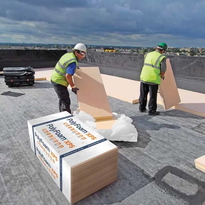
Lightweight insulation boards, such as EPS and XPS, significantly ease the process of roof installation by minimising the physical effort required to handle them. Their light nature enables installers to move and position the panels with reduced strain, which not only decreases fatigue but also enhances safety. This ease of handling simplifies transportation from storage areas to the roof, ultimately saving time and reducing the need for heavy machinery. These insulation boards are easy to lift and carry, making them manageable even for a single person. Cutting the panels with standard tools, such as knives or saws, is both quick and straightforward. Additionally, the ability to shape the boards accurately around roof features minimises waste and speeds up the installation process. Proper storage of the panels prevents damage, allowing them to remain easy to handle throughout the installation. Proper storage techniques ensure the panels stay in good condition and maintain their handleability up to installation.
Time-Saving Installation
The lightweight nature of foam insulation boards significantly accelerates the roofing installation process. This allows workers to handle and position the panels with less effort, reducing physical strain and enhancing productivity. Enhanced durability ensures that the panels maintain their integrity during installation and throughout the building's lifespan. Pre-cut EPS panels fit precisely, minimising the need for trimming and conserving valuable time. The rigid structure of the boards enables quick fastening with minimal adjustments, ensuring that work proceeds efficiently. EPS’s compatibility with common adhesives and fasteners simplifies the attachment process, thereby reducing installation complexity. Furthermore, EPS requires minimal substrate preparation, making it suitable for a variety of roof types and allowing for swift setup. Its stability under differing weather conditions helps to prevent delays.
Suitability for Various Roofing Types
Choosing the right insulation is crucial and heavily influenced by the type of roofing system being installed.
Polyiso insulation is compatible with a variety of roofing materials, including metal, brick, stone, wood, vinyl, and asphalt shingles. On the other hand, EPS insulation requires additional protective layers to shield it from UV rays and high temperatures, often necessitating the use of slip sheets or cover boards.
Polyiso offers flexibility in installation methods, as it can be secured using adhesives, fasteners, or hot mopping. In contrast, EPS is primarily utilised in warm-roof decks and lightweight flooring solutions.
For different roofing types:
Polyiso is particularly effective for commercial flat and tapered roofs, enhancing drainage capabilities.
EPS is well-suited for warm-roof decks and light commercial floors.
XPS insulation is optimal for inverted or green roofs, owing to its superior strength.
EPS tapered insulation is advantageous in ballasted or modified bitumen roofing systems.
Selecting the appropriate insulation not only improves energy efficiency but also contributes to the longevity and performance of the roofing system.
Environmental Impact and Sustainability
Environmental concerns surrounding roof insulation materials are increasingly influencing choices in construction across the UK.
Polystyrene insulation is primarily derived from petroleum-based raw materials, which consume fossil fuels and contribute to greenhouse gas emissions. Its manufacturing process releases volatile organic compounds that can negatively impact air quality. Although expanded polystyrene (EPS) is lightweight, it relies on non-renewable resources. Unlike older foam insulations that contained ozone-depleting substances, polystyrene doesn't emit harmful chemicals during its lifespan. It provides long-lasting thermal performance, significantly reducing energy consumption and greenhouse emissions over time. Polystyrene alternatives are being researched to reduce environmental impacts. While there are recycling options available, most polystyrene remains effective for several decades, and its end-of-life disposal is generally less harmful than that of other foam insulations containing harmful chemicals.
Cost Savings and Long-Term Benefits
Installing EPS roof insulation can lead to substantial cost savings over time by reducing energy bills and lowering heating, ventilation, and air conditioning (HVAC) expenses. It effectively diminishes cooling costs by minimising heat transfer through roofs, particularly in warmer climates. Buildings with EPS insulation maintain consistent indoor temperatures, enhancing comfort without overburdening HVAC systems. Furthermore, reduced strain on HVAC units prolongs their lifespan, leading to savings on repair and replacement costs. For commercial properties, the investment in insulation can be recouped within a few years through energy savings. Effective insulation can lower heating expenses considerably, resulting in ongoing utility savings. EPS panels are competitively priced, making them an economical option for property owners. The durability and long-term thermal stability of EPS ensure continued energy efficiency for decades. EPS insulation can also improve soundproofing, which adds to its appeal for residential and commercial buildings. These advantages make EPS insulation a wise investment for those looking to reduce costs while creating a comfortable, energy-efficient environment.
Conclusion
Roof polystyrene insulation, including EPS and XPS, provides excellent thermal performance, moisture resistance, and straightforward installation. It is appropriate for a variety of roofing systems and offers significant long-term savings due to its durability and energy efficiency. The environmentally friendly characteristics of polystyrene insulation also contribute to sustainability initiatives.
In summary, polystyrene insulation is a highly effective option for enhancing roof protection, minimising energy expenses, and ensuring dependable performance over time. Its advantages make it a popular choice among homeowners and builders alike, particularly in the UK market.