
Sheathing Paper
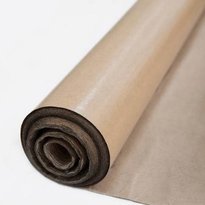
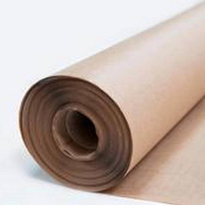
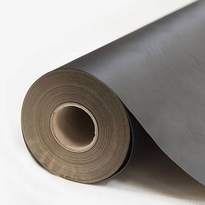
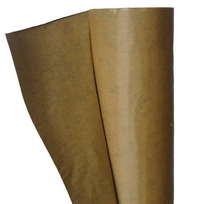
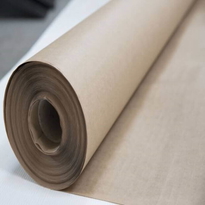
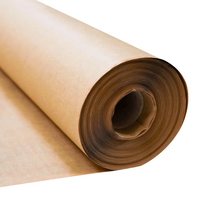
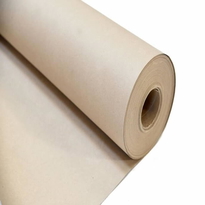
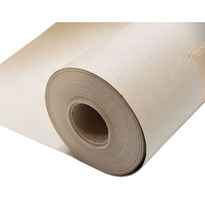
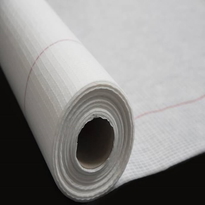
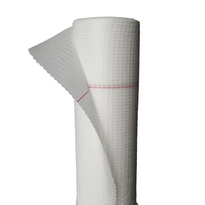
Sheathing paper is a weather-resistant barrier installed on exterior walls to safeguard framing, insulation, and moisture-sensitive components from dampness, air leaks, and water infiltration. It is available in various materials, including kraft paper, asphalt-saturated felt, or engineered fabrics. Proper overlapping and sealing during installation are crucial for effective moisture management.
This barrier enhances building durability and energy efficiency, but if not installed correctly, it can become saturated or damaged. Therefore, employing appropriate techniques is essential for long-term performance. Continued guidance can help optimise these benefits, ensuring that your building remains protected against the elements.
Understanding Sheathing Paper and Its Role in Construction
Sheathing paper is a crucial element in construction that protects buildings from the elements. It acts as a barrier against moisture and air leaks, preventing water from infiltrating wall assemblies. Proper installation requires overlapping seams to create a continuous seal, which is vital for keeping water out and minimising drafts. Sheathing paper also helps control the movement of moisture within walls, which is essential for preventing mold and rot. This layer serves as a secondary defence, safeguarding the framing and insulation from water damage, particularly in areas prone to heavy rainfall or extreme weather conditions. While sheathing paper isn't structural, it complements the main framework by shielding it from environmental forces such as wind-driven rain.
The effective moisture management provided by sheathing paper helps to maintain dry and stable wall conditions, which supports the overall durability of the building. By sealing gaps, sheathing paper also plays a significant role in enhancing energy efficiency, making indoor spaces more comfortable and contributing to reduced utility costs.
Different Types and Materials of Sheathing Paper
Different types of sheathing paper vary in their materials and construction, including options made from kraft, bitumen, or engineered fabrics. Modern innovations have introduced alternatives such as breathable, water-resistant, and eco-friendly products that enhance durability and performance. These advancements help builders choose sheathing papers that provide better protection against environmental elements while aligning with sustainability goals. Understanding these variations assists builders in selecting the appropriate sheathing paper for specific climate conditions and construction requirements.
Material Variations and Composition
Material variations in sheathing paper largely depend on the fibres, resins, and bonding agents utilised in their production.
For instance, paper-based phenolic sheathing combines cellulose paper soaked in phenolic resin, resulting in a durable and robust surface that resists chemicals and wear. This type of sheathing is often used in industrial and electrical applications.
Wood-based sheathing papers, such as plywood or oriented strand board (OSB), employ wood fibres or strands bonded with adhesives, providing load support and moisture resistance.
Asphalt-saturated felt, commonly known as tar paper, consists of felt soaked in asphalt, which offers water resistance and vapour permeability.
Grade D building paper is produced from recycled pulp, delivering moderate water resistance alongside environmental benefits.
Cement board and glass-mat sheathing incorporate materials like cement or gypsum reinforced with glass fibres, creating fire-resistant and moisture-proof options.
Each variation caters to specific needs based on its composition, ensuring suitability for various applications in construction.
Modern Alternatives and Innovation
Innovations in sheathing materials have introduced several modern alternatives that enhance performance and simplify installation.
Plastic housewraps now resist water while allowing vapour to pass through, aiding in the gradual drying of walls and minimising moisture accumulation. Products like Arctek® Dryshell™ bond moisture-resistant layers directly to OSB, preserving breathability whilst improving water resistance. These materials help prevent mold growth and improve indoor air quality. The Huber Zip System combines OSB with an integrated, sealed barrier, thereby eliminating the need for a separate wrap.
Recycled asphalt felt effectively absorbs and releases water, facilitating improved drying, while fibreboard panels, such as MDF, provide durability, flexibility, and cost-effective options.
Mineral-based sheathing, such as magnesium oxide (MGO), offers outstanding fire, moisture, and rot resistance, making it particularly suitable for demanding environments.
These advancements contribute to the creation of healthier, more robust walls, instilling a sense of security for builders and homeowners alike.
Installing Sheathing Paper for Effective Moisture Management
Proper installation of sheathing paper is vital for effective moisture management in building walls. To ensure this, follow these key practices:
Install sheathing panels with tight seams and appropriate spacing as per manufacturer guidelines.
Utilise compatible sealing tapes and flashing around openings to prevent water and air from infiltrating.
Hang sheathing paper horizontally, ensuring overlapping layers direct water downwards.
Safeguard the sheathing during construction by avoiding prolonged exposure to sunlight and wet conditions, and install the siding without delay.
Moisture-permeable exterior sheathing provides a continuous barrier that resists moisture intrusion and promotes drying.
These practices establish a continuous barrier that resists moisture intrusion and promotes drying.
Correct installation not only helps to prevent water damage such as rot or mould but also enhances the strength and durability of the wall system.
Proper installation lays the groundwork for a healthy, long-lasting building.
Comparing Sheathing Paper to Other Building Barriers
When comparing sheathing paper to other building barriers, noticeable differences in strength, durability, and performance emerge.
House wraps generally provide superior strength and tear resistance compared to traditional asphalt felt, making them less prone to ripping during installation.
Felt paper can degrade over time, as it loses oils that lead to shrinking and increase permeability to air and moisture, potentially compromising long-term protection.
High-quality house wraps tend to perform better against UV exposure and adverse weather conditions, often offering a longer lifespan.
Both sheathing paper and house wraps are effective in controlling moisture and vapour movement.
However, asphalt felt is more susceptible to damp conditions, which can heighten its permeability.
Building regulations often mandate felt as a minimum standard, while house wraps, with proper installation and maintenance, can deliver comparable or enhanced performance.
The material properties of house wraps, such as UV resistance and tensile strength, contribute significantly to their durability over time. This durability is crucial in maintaining the barrier’s function throughout the lifespan of the building.
This allows builders to make informed choices based on their specific requirements.
Benefits of Using Sheathing Paper in Building Projects
Utilising sheathing paper in building projects presents several significant advantages that enhance the durability and efficiency of a structure.
Firstly, it serves as an effective moisture barrier, preventing water from penetrating walls. This helps to minimise mould growth and protects structural components from deterioration.
Secondly, it reduces air leaks, which aids in maintaining stable indoor temperatures and lowering energy expenses.
Additionally, it provides a protective layer for sheathing boards, safeguarding them from adverse weather conditions during the installation process.
The ease of installation and adaptability of sheathing paper allows it to accommodate various climates and building styles.
In addition, sheathing paper also improves the overall vapor management, preventing moisture buildup inside wall assemblies and promoting a healthier indoor environment.
In summary, sheathing paper contributes to creating a more energy-efficient, robust, and healthy building environment.
This not only supports long-term sustainability and comfort for occupants but also helps to reduce maintenance and repair costs.
Common Challenges and Limitations of Sheathing Paper
Sheathing paper, though commonly utilised in construction projects, presents several significant challenges and limitations that builders must consider.
One primary concern is its sensitivity to moisture. Paper-faced sheathing can absorb water during wet conditions, potentially leading to saturation and mould growth if not adequately dried. Saturated panels may require replacement to avert structural issues. Furthermore, excess moisture can diminish the strength of the sheathing, impairing its ability to withstand shear forces, particularly when damp. Additionally, the paper layer can deteriorate over time, reducing the overall durability of the sheathing and compromising long-term performance.
Thin sheathing products can also be fragile, increasing the risk of damage during handling and installation. It's crucial to ensure proper protection from the elements and to execute careful installation practices to prevent warping, cupping, or compromised durability.
These challenges underscore the necessity of selecting suitable materials and adhering to best practices in construction to guarantee long-term performance and reliability.
Enhancing Building Durability With Proper Sheathing Techniques
Proper application of sheathing techniques plays a vital role in enhancing a building’s durability and resistance to environmental factors. When sheathing paper is installed correctly, it serves as an effective moisture barrier, preventing water from reaching structural components.
To maximise the benefits, consider these key practices:
Utilise vapour-permeable sheathing materials in conjunction with exterior insulation to manage moisture levels and reduce its content within the sheathing.
Ensure correct installation with a drainage plane for siding types such as clapboards or lap siding, allowing water to drain away and air to circulate, facilitating the drying of the sheathing.
Adhere to building regulations by employing approved water-resistive barriers, including asphalt felt or vapour-permeable barriers that comply with recognised standards.
Integrate sheathing paper with insulation and proper sealing to create a redundant barrier, thereby enhancing overall wall performance and longevity.
Innovations and Future Trends in Sheathing Barrier Materials
Innovations in sheathing barrier materials are driving significant improvements in building performance and construction efficiency across the UK. New systems, such as integrated Water-Resistive and Air Barriers (WRB-AB), bond barrier layers directly to gypsum panels. This advancement reduces installation time, labour, and costs. Water barriers have been used historically with recycled cotton and other materials, highlighting their longstanding importance in building design. These panels perform well in various weather conditions and provide a continuous barrier once seams and fasteners are sealed, ensuring high performance. Additionally, high-performance engineered sheathing, like the ZIP System and OX-IS, combines structural support, insulation, and weather resistance in single panels, thereby simplifying the installation process. Eco-friendly options, such as recycled fibreboard and magnesium oxide panels, are also becoming increasingly common, helping to reduce environmental impact. These advancements support faster construction, enhanced energy efficiency, and greater sustainability. They enable builders to create stronger, more reliable buildings that meet modern standards and community needs.
Conclusion
Sheathing paper plays a vital role in construction by protecting buildings from moisture and enhancing durability. It is available in various types and materials, each tailored to specific requirements, and must be installed correctly to achieve maximum effectiveness.
While sheathing paper has certain limitations, ongoing innovations are set to improve performance in the future. Proper utilisation of sheathing paper helps ensure a robust, long-lasting structure, making it an essential component in contemporary building practices.
In the UK, understanding the importance of high-quality sheathing paper can greatly contribute to the overall integrity of construction projects. Ensuring appropriate installation and selection of materials will benefit builders and homeowners alike, ultimately leading to more resilient structures.