
Shed Lining Paper
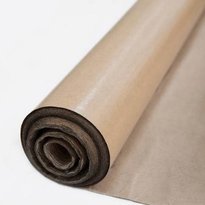
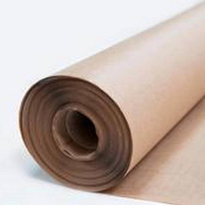
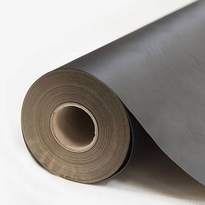
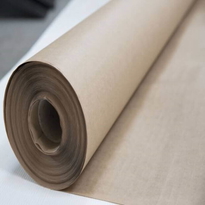
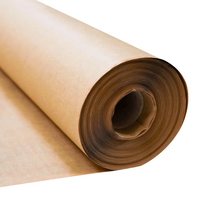
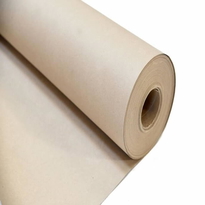
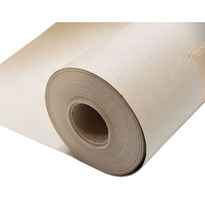
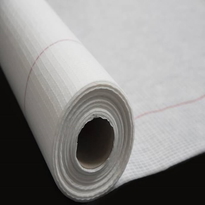
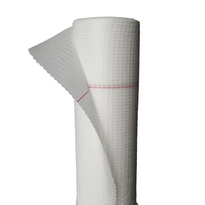
Shed lining paper serves a crucial role in safeguarding and insulating the interior of garden sheds. It creates a weatherproof barrier that helps prevent moisture and pests from causing damage to the walls. Available in a variety of types, such as Novia 509B, this paper is known for its tear resistance, waterproof qualities, and breathability.
Installation is straightforward, as it can be applied directly to the walls using adhesive, making it an accessible option for many. Additionally, it requires minimal maintenance, allowing you to focus on enjoying your garden space rather than worrying about upkeep.
For those interested in finding the best options and installation methods, further guidance can provide valuable insights to enhance your shed's durability and comfort.
Understanding Different Types of Shed Lining Materials
Choosing the right shed lining materials relies on several factors, including durability, cost, ease of installation, and the level of customisation desired.
Engineered wood, such as LP SmartSide, combines fibres and adhesives to create strong, durable panels that resist imperfections. Plywood is a cost-effective option, known for its toughness, and it can be painted or stained to achieve a personalised appearance inside the shed.
Both plywood and OSB (oriented strand board) are versatile materials, capable of supporting load-bearing requirements for interior walls.
However, it's important to note that plywood requires periodic refinishing to prevent rot and insect damage, particularly when used in outdoor settings. On the other hand, engineered wood options are eco-friendly, promoting sustainable forestry practices while maintaining a natural wood aesthetic.
Selecting the appropriate material ensures the creation of a shed that isn't only sturdy and attractive but also tailored to individual preferences, fostering a sense of belonging in a space that's truly personalised.
Spotlight on Novia 509B: Features and Benefits
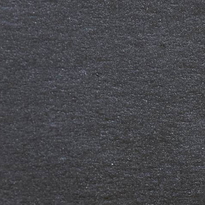
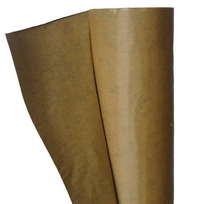
The Novia 509B shed lining provides a specialised solution designed to safeguard and enhance garden structures. Constructed from reinforced high-specification kraft paper bonded with bitumen, it offers both durability and flexibility.
Key Features:
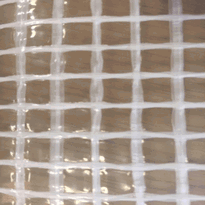
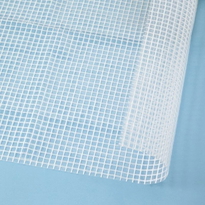
Enhanced Tear Resistance: Reinforced with a scrim, this shed lining is robust enough to endure harsh weather conditions.
Waterproof and Windproof: It effectively shields sheds from rain, drafts, and wind damage, significantly increasing the lifespan of your garden buildings.
Breathability and Moisture Control: The lining allows moisture to escape, helping to reduce condensation and maintain the structural integrity of your shed.
This lining is ideal for larger, uninsulated buildings such as sheds, cabins, or workshops. Based on BS 1521 standard with non-compliant selvedge finish, this lining's specification ensures consistent quality and performance.
Its straightforward installation, coupled with reliable protection, makes it a popular choice among garden enthusiasts seeking durable coverage.
Embracing this product means joining a community that values quality and longevity in garden structures.
Common Applications for Shed Lining Paper
Shed lining paper is widely utilised to safeguard garden shed walls from the elements, providing an effective waterproof and windproof barrier. This material is ideal for renovation endeavours, enhancing the durability and longevity of existing structures. Furthermore, it serves as an appropriate outer layer for insulated storage areas, facilitating moisture control and promoting long-term performance. Reinforcement within the paper ensures strength for long-term usage, making it suitable for protecting various garden structures such as log cabins, home offices, and summer houses. With its practical applications, shed lining paper is an essential component for anyone looking to protect and maintain their outdoor spaces effectively.
Garden Shed Linings
Garden shed linings are essential for safeguarding structures against the elements and prolonging their lifespan. They serve as a protective barrier against wind, rain, and dust, which helps maintain the integrity of buildings over time.
Here are some common applications:
Sheds: Lining paper protects tools and supplies from weather-related damage, ensuring they remain dry and secure.
Log cabins: It creates a waterproof and windproof layer that enhances comfort within the cabin, allowing for enjoyable stays regardless of the weather outside.
Playhouses and summer houses: Lining paper provides vital protection, ensuring these leisure spaces remain free from moisture and dust, creating a pleasant environment for relaxation.
Utilising shed lining paper enhances durability and helps garden structures endure varied weather conditions.
It also fosters a comfortable and safe atmosphere for those who cherish spending time outdoors or in their personal retreats.
Renovation Projects
Renovation projects for outdoor structures can greatly benefit from the use of shed lining paper, which enhances both durability and protection. This material serves as a windproof and waterproof barrier, safeguarding the interiors of sheds from drafts and moisture damage.
Shed lining paper is particularly advantageous for workshop and hobby spaces, as it helps create a cleaner environment for woodworking and crafts, while also protecting tools from rust and warping.
For playhouses and children's activity rooms, this lining paper provides essential weather protection, prolonging the lifespan of uninsulated structures and ensuring safe, dry spaces for use throughout the year.
Summer houses and leisure rooms also benefit from its weather-resistant properties, helping to maintain a comfortable interior as the seasons change.
The ease of installation, cost-effectiveness, and compatibility with timber framing make shed lining paper a practical choice for numerous outdoor renovation projects.
Insulated Storage Spaces
When adding insulation to outdoor storage spaces, protecting the insulation layer becomes a priority to maintain its effectiveness and prolong its lifespan.
Shed lining paper serves as a vital barrier in insulated storage areas, offering several benefits:
It acts as a windproof and waterproof shield, preventing rain, wind, and dust from damaging stored items.
Reinforced kraft paper with bitumen coating increases moisture resistance, reducing the risk of water ingress.
This material creates an external layer that minimises condensation, protecting items from damp conditions.
This layer complements insulation materials such as foam or fibreglass, supporting temperature regulation and moisture control.
Proper use of shed lining paper helps create a stable environment for tools, equipment, and delicate items, making outdoor storage safer, longer-lasting, and more inviting for those who value their space.
Knauf Insulation provides high-quality shed lining papers that are widely used for these purposes to ensure durability and effectiveness.
Step-by-Step Installation Tips for Shed Linings
Properly installing shed linings requires careful preparation and attention to detail to ensure a smooth, durable finish. Lining paper is available in thicknesses ranging from 800 (thinnest) to 2000 (thickest). First, gather all necessary materials, including lining paper, paste, tools, and protective coverings. Clear the interior of the shed and cover any items to prevent mess. Mix the paste according to the manufacturer's instructions to achieve the right consistency. Next, inspect and repair any imperfections on the walls, cleaning the surface thoroughly to promote good adhesion. Measure the height of the walls, then cut the lining paper slightly longer than required, allowing for overlap at both the top and bottom. Apply the paste evenly to the paper, then hang it starting at a corner or along a chalk line. Smooth the paper as you go to avoid bubbles. Once the paper is set, trim any excess at the edges and around obstacles, leaving slight gaps for expansion. [Always choose the appropriate lining paper grade based on the condition of your shed walls, with 1400 being a general recommendation for many situations.
Comparing Shedding Lining Options: Which Is Best?
When selecting shedding lining options, it's essential to evaluate their durability, insulation properties, and ease of installation. Each material presents unique advantages, from robust, impact-resistant engineered wood to low-maintenance vinyl. Durability considerations are vital to ensure your shed withstands environmental challenges over time. Understanding these distinctions is crucial in determining which lining best meets the requirements of your shed while also considering your budget. Focusing on the strengths of various materials will aid you in making an informed decision, ensuring that your shed remains functional and comfortable throughout the seasons. Whether prioritising thermal efficiency or seeking a long-lasting solution, comparing these options will guide you towards the most suitable choice for your needs. Take the time to explore the differences in performance and maintenance to find the perfect fit for enhancing your shed’s usability and longevity.
Material Durability Differences
Different shed lining materials differ considerably in their durability, influencing their lifespan and ability to withstand harsh weather conditions.
Asphalt felt, often referred to as tar paper, facilitates quick moisture evaporation and has the capacity to absorb water, which can help mitigate damage from leaks. Its lifespan typically ranges between five to fifteen years, depending on the specific type used. Due to its composition and usage, asphalt felt can deteriorate more rapidly when exposed to prolonged moisture or UV exposure. Synthetic wraps, such as Typar, are designed to resist tearing and don't absorb water; however, trapped moisture can compromise their longevity.
Heavy-duty felts, reinforced with polyester, are thicker and offer greater resistance to environmental damage, thereby extending their lifespan compared to standard felt. Although rubber or metal roofing options provide even greater durability, felt materials remain a popular choice due to their cost-effectiveness and ease of installation, offering a well-balanced combination of performance and affordability.
Insulation and Moisture Control
Choosing the right insulation and moisture control options is essential for ensuring a shed remains comfortable and safeguarded against damage.
Foam board insulation provides high thermal resistance with minimal thickness, making it efficient at retaining heat. Insulation Board, being rigid and stable, also helps prevent condensation build-up on exterior surfaces.
Spray foam insulation offers superior performance, creating a robust air seal that significantly reduces drafts and moisture ingress.
While fiberglass batts are cost-effective, they require careful sealing to avoid potential moisture issues.
Reflective insulation is particularly effective in hot climates, as it primarily reflects radiant heat, especially in metal sheds.
Cellulose insulation is another good choice in terms of thermal efficiency, but it has the tendency to absorb moisture, which can diminish its performance.
Both foam boards and spray foam are excellent in moisture resistance, helping to prevent mould and water damage.
The best insulation option ultimately depends on your local climate and the intended use of your shed, but prioritising moisture control is a critical aspect to consider.
Installation and Finishing Factors
Installing shed lining requires careful consideration of materials and techniques to ensure a durable and visually appealing result. Proper tools, such as a smoothing brush, sharp utility knife, and level, are essential for precise installation.
Key factors to consider include:
Preparing walls by removing old wallpaper, filling cracks, and thoroughly cleaning surfaces to improve adhesion.
Choosing the appropriate application method, whether “paste the wall” for ease or “paste the paper” for longevity, depending on the shed's conditions.
Selecting the right lining material, such as plywood or foam liners, that aligns with your climate and aesthetic goals.
Following these steps ensures the lining will be secure, smooth, and attractive.
With the right preparation and technique, anyone can achieve a finished look that feels welcoming and professional.
Enhancing Shed Durability With Protective Linings
Protective linings are vital for enhancing the lifespan and durability of sheds by safeguarding them from the elements, moisture, and physical wear. They significantly improve thermal regulation, minimising heat loss during the winter months and helping to maintain a cooler interior in summer, ensuring that stored items are protected from temperature extremes.
Moreover, suitable linings help prevent condensation, which can lead to mould and mildew growth, ultimately damaging both the shed and its contents. Reinforced lining materials provide added strength and create a waterproof barrier that defends against rain, wind, and dust.
Interior finishes, such as plywood or drywall, offer further protection to walls from dents and moisture damage, thereby reducing the need for repairs.
Opting for thicker, high-quality lining materials enhances durability and minimises maintenance requirements over time.
Maintaining and Caring for Your Shed Lining
Maintaining and caring for your shed lining is essential to ensure it remains an effective protective barrier over time. Proper care involves:
Regularly inspecting the roof for leaks, missing shingles, or damage to prevent water intrusion.
Cleaning both the interior and exterior surfaces, including gutters and drains, to avoid grime buildup and water issues.
Checking for signs of moisture, rot, or pest activity, and applying preservatives or repairs when needed.
Keeping a close eye on these areas helps catch problems early, saving money and effort in the long run.
Ensuring that doors close properly and securing loose panels also maintains weatherproofing and security.
Consistent upkeep creates a safe, dry environment, fostering a sense of belonging and ensuring the shed remains a reliable space for storage and activities.
Choosing the Right Lining for Your Garden Building
Choosing the right lining for your garden building is essential, as it involves assessing various materials based on their durability, aesthetic appeal, and the specific environmental conditions of your location.
Several options are available for garden building linings:
Plywood is a robust choice that provides excellent support for fixtures and shelving, making it a popular selection for many garden structures.
OSB (Oriented Strand Board) is another practical option, known for its cost-effectiveness and textured surface. It can be a sensible choice for those looking to maintain a budget while ensuring a functional finish.
For those seeking a more traditional appearance, beadboard offers a natural wood look that not only enhances the visual appeal of the building but also resists pests and decay, ensuring longevity.
MDF (Medium Density Fibreboard) is particularly user-friendly, allowing for a smooth finish that's ideal for DIY enthusiasts. Its versatility makes it a favourite for various applications.
Lastly, using upcycled pallets can be a sustainable and low-cost option. While they provide a unique aesthetic, it's crucial to conduct safety checks to ensure they're appropriate for your project.
When deciding on the lining for your garden building, consider the advantages of each material in relation to your specific needs and preferences.
Each option offers distinct benefits, so take the time to choose the one that best aligns with your vision and requirements.
Conclusion
Choosing the right shed lining paper is essential for ensuring your shed meets your specific requirements and effectively serves its intended purpose. Understanding the various materials available can aid in selecting a durable and cost-effective option that suits your needs.
Proper installation and regular maintenance play a crucial role in extending the lifespan of your shed lining. By taking these steps, you can ensure that the lining protects your shed effectively against moisture and other environmental factors.
Whether you decide on a popular choice like Novia 509B or explore other alternatives, regular care and attention will help keep your shed in excellent condition.
Making informed decisions about your shed lining paper contributes to a more secure and long-lasting garden building, allowing you to enjoy your outdoor space with minimal hassle.