


Soundproof Lagging
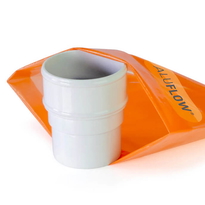
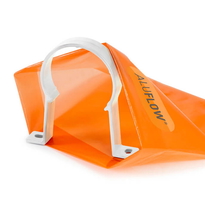
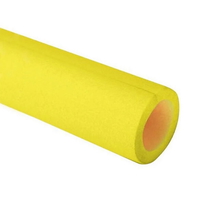
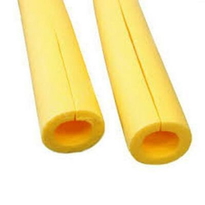
Soundproof lagging is a type of insulation specifically designed to minimise noise emanating from pipes and ductwork. It achieves this by utilising dense materials such as mass loaded vinyl, along with decoupling layers and sound-absorbing components.
Typically, soundproof lagging consists of multiple layers that effectively block vibrations and airborne sound. Additionally, proper sealing is essential to prevent any potential leaks, ensuring optimal performance.
Certified for safety and efficiency, the installation process involves airtight wrapping and decoupling techniques that are crucial for enhancing soundproofing capabilities.
Exploring these features reveals how soundproof lagging can significantly contribute to quieter environments, making it an excellent choice for both residential and commercial applications.
Components That Make Up Soundproof Pipe Lagging
Soundproof pipe lagging is composed of several essential components that function together to minimise noise and vibrations effectively.
The primary material used is Mass Loaded Vinyl (MLV), renowned for its density and flexibility, making it particularly effective at blocking low-frequency sounds. MLV is formulated with vinyl and barium sulphate, which enhance its mass and improve soundproofing capabilities. This composition makes MLV one of the most effective barrier materials available. To further optimise performance, layers of MLV can be laminated with additional materials, improving both noise reduction and fire resistance. Options with a foil-facing are particularly advantageous. Incorporating laminated foam layers, such as closed-cell foam, is also critical as they help to disrupt vibration transmission between pipes and the sound barrier. Furthermore, insulation materials like fibreglass or mineral wool are integrated into the system to absorb sound and provide thermal insulation.
Together, these components create a robust and effective soundproofing solution that's ideal for any noise-sensitive environment.
Key Design Features for Effective Noise Reduction
Effective noise reduction in soundproof lagging hinges on a combination of key design features. A multi-layer barrier system enhances sound blocking by adding mass and damping vibrations. Soundlag® provides a dense, flexible mass layer that significantly contributes to noise attenuation. Furthermore, decoupling layers disrupt vibrational pathways, which prevents sound transmission. In addition, employing materials with airtight practices is crucial to minimise sound leaks, thereby optimising overall acoustic performance. Ensuring proper sealing with tapes like Tape ALR further enhances the airtight integrity of the installation.
Multi-layer Barrier System
Multi-layer barrier systems are specifically designed to impede sound transmission by integrating a variety of materials and construction techniques.
These systems frequently employ dense substances such as mass-loaded vinyl (MLV) which substantially increase the mass of walls or ceilings, thereby effectively reducing noise levels. MLV is typically installed directly over surfaces such as gypsum or concrete, optimising noise isolation.
Incorporating multiple layers of gypsum drywall, particularly when staggered, enhances soundproofing by adding mass and disrupting sound pathways.
Ensuring that all gaps and joints are sealed tightly with acoustic caulk is crucial to prevent sound leaks that could compromise effectiveness.
Additionally, using absorptive materials like insulation or damping compounds can further diminish vibrations and absorb airborne sound.
Proper installation techniques and detailed testing are essential to establish a highly effective and durable barrier, significantly improving noise control.
Adequate Decoupling Layers
Decoupling layers are essential in blocking sound transmission by preventing vibrations from passing directly through building structures. This is achieved by mechanically separating layers such as drywall from the studs, creating an air cavity that disrupts the direct path for vibrations. This separation effectively reduces synchronized vibrations and enhances sound transmission loss, with thicker gaps and superior materials amplifying effectiveness. Building materials receive a sound transmission class (STC) rating Involving insulation within the cavity aids in absorbing sound energy, particularly at lower frequencies, and contributes to overall noise reduction. The careful selection of absorptive materials, including foam or fibreglass, significantly enhances soundproofing capabilities. Moreover, resilient channels or hat channels can further improve decoupling by mechanically isolating the drywall. Employing multiple layers or damping compounds can help manage resonance and optimise noise control, ensuring a quieter and more comfortable environment.
Airtight Installation Practices
Sealing gaps and joints is essential for preventing sound leaks and ensuring that noise doesn't travel through small openings in walls, floors, or ceilings. Using acoustic sealant or specialised caulking effectively fills pencil-sized or larger gaps, particularly around penetrations such as electrical boxes, plumbing, and ductwork. Overlapping drywall or lagging seams and staggering joints enhance airtightness and reduce potential noise paths. Minimising fasteners like screws or nails that penetrate sound barriers helps prevent the creation of leaks or sound bridges. Additionally, heavy, dense materials, such as mass-loaded vinyl (MLV), can be tightly wrapped around noise sources, effectively blocking low-frequency sounds. Carefully sealing and assembling layers, along with employing flexible, compressible sealants around edges, significantly boosts airtightness. Proper sealing techniques are vital for reducing sound transmission. This meticulous approach ensures that soundproof lagging performs optimally, creating a quieter and more comfortable environment for everyone.
Typical Applications in Various Environments
Acoustic lagging is extensively utilised across various environments to mitigate unwanted noise generated by machinery, piping, and ventilation systems. By wrapping HVAC ducts, pipes, and fan casings with materials such as mass-loaded vinyl and sound-absorbing layers, it helps create more comfortable indoor spaces. This approach effectively reduces noise from airflow, mechanical vibrations, and equipment operation. The products used in acoustic lagging often have specific STC ratings to quantify their soundproofing effectiveness. In mechanical rooms, acoustic lagging significantly minimises noise produced by pumps, fans, and airflow, often resulting in a substantial decrease in noise exposure.
In industrial settings, tailored lagging systems are designed to address specific acoustic and thermal requirements for piping and ductwork, ensuring that facilities remain compliant and safe.
For both residential and commercial buildings, pipe lagging plays a crucial role in diminishing plumbing noise, thus enhancing occupant comfort.
Performance Metrics and Certification Standards
Performance metrics and certification standards are crucial for assessing the effectiveness and safety of soundproof lagging materials. These guidelines ensure that products deliver the noise reduction they promise while complying with safety regulations. Key metrics include Insertion Loss (IL), which evaluates the reduction of sound pressure in decibels, and the Sound Transmission Class (STC), which indicates the overall effectiveness of insulation. Materials undergo testing in accordance with recognised standards, such as those for laboratory measurement of noise reduction and sound insulation ratings. Additional factors that can influence performance include the weight of the lagging, its thickness, and the composition of the materials used. Standardized testing procedures these metrics adhere to help ensure consistency and reliability across different products and manufacturers. Certification standards, such as flammability ratings, provide assurance of safety, allowing users to have confidence that the lagging not only reduces noise but also meets essential safety criteria.
Installation Best Practices and Considerations
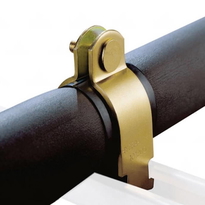
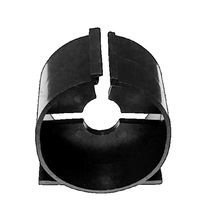
Selecting the appropriate installation techniques for soundproof lagging plays a crucial role in its overall effectiveness. Ensuring proper sealing and decoupling is vital to prevent sound leaks and vibrations from transferring through. An airtight wrap around pipes is essential, as any gaps may compromise soundproofing performance. Employing soundproofing clips and hat channels helps to establish a "mechanical break," thereby minimising the transfer of low-frequency sounds. Adding mass and damping layers can further improve soundproofing efficiency, which makes the barrier more resistant to vibration transmission. When layering materials such as mass-loaded vinyl (MLV), it is important to secure them adequately with adhesive, nails, or screws to avoid any gaps or buckling. The application of damping compounds between layers of drywall can effectively dampen resonance, enhancing the sound barrier. Lastly, sealing all seams and edges with acoustical caulk is recommended to block flanking noise effectively.
Consider the following best practices for optimal soundproofing:
Technique |
Purpose |
| Material Used | Airtight wrapping |
| Prevent sound leaks | Heavy lagging materials |
| Decoupling with clips | Reduce vibration transmission |
| Hat channels and clips | Seam sealing |
| Maintain sound barrier integrity | Acoustical caulk |
Environmental and Safety Attributes of Soundproof Lagging
Environmental and safety considerations are increasingly significant when selecting soundproof lagging materials. Eco-friendly options not only reduce harmful impacts but also promote safer environments. Recycled cotton panels help lower environmental footprints by repurposing waste material. Cork boards, being renewable and naturally waterproof, sequester carbon during their growth. Additionally, bio-based and recycled materials, such as straw boards and PET products, provide effective soundproofing while boasting low embodied carbon. Modern products incorporate recycled rubber, minimising waste and emissions, thereby supporting sustainable practices. This approach aligns with the goal of reducing embodied carbon in construction and industrial applications. Safety features are equally crucial. Natural fibres like cork exhibit fire resistance, while eco-friendly materials are typically non-toxic and non-irritant. These attributes contribute to the protection of both workers and occupants, reinforcing the importance of environmental sustainability.
Conclusion
Soundproof lagging effectively reduces noise transmission from pipes, employing specialised components and design features tailored for various environments. Its performance is contingent upon adherence to certification standards and proper installation practices.
These laggings are safe and environmentally friendly, making them suitable for a wide range of settings. When selected and installed correctly, soundproof lagging offers reliable noise control, contributing to the creation of quieter and more comfortable spaces while ensuring compliance with safety and environmental guidelines.
By investing in high-quality soundproof lagging, individuals and businesses can significantly enhance their acoustic comfort, creating an environment that promotes well-being and productivity.