
Vacuum Insulation Panels in Buildings
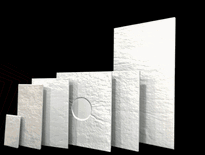
Vacuum insulation panels (VIPs) play a crucial role in enhancing the energy efficiency of buildings by offering exceptional thermal resistance within a slim profile. Constructed from low-conductivity core materials such as fumed silica, these panels are encased in gas-tight envelopes that preserve a vacuum, thereby minimising heat transfer more effectively than traditional insulation methods.
The compact design of VIPs enables architects to devise thinner walls, optimising interior space without compromising on insulation performance. This innovative approach not only contributes to improved building aesthetics but also supports sustainability initiatives by reducing energy consumption.
Ongoing research and development continue to highlight the transformative potential of VIPs in architectural design and environmental efficiency, paving the way for a greener future in construction.
Understanding Vacuum Insulation Panels and Their Composition
Vacuum Insulation Panels (VIPs) are specialised materials designed to provide exceptional levels of thermal insulation. Their core components typically include lightweight materials such as fumed silica, glass fibres, hollow glass microfibres, and silica aerogels, all of which significantly reduce heat transfer. These core materials feature a completely open-porous structure for evacuation, which is essential for maintaining the vacuum and ensuring the high thermal resistance characterizes VIPs. These panels are encased in thin, gas-tight envelopes, often featuring barrier films like aluminium foil to prevent air ingress. These barriers are crucial for maintaining the vacuum that enhances the effectiveness of VIPs. The core materials exhibit low thermal conductivity, with fumed silica being a prevalent choice due to its nano-porous structure. In some instances, VIPs may incorporate hybrid cores that utilise various materials to optimise insulation performance.
How VIPs Enhance Building Thermal Performance
Vacuum insulation panels (VIPs) significantly enhance a building’s thermal performance due to their remarkably high insulation value, which reduces heat transfer far more effectively than conventional materials. Their slim profiles save valuable space and enable more adaptable architectural designs, particularly in compact or refurbished environments. Moreover, VIPs assist in minimising thermal bridges at edges and seams, leading to a more uniform level of insulation across the entire building envelope. Recent studies have shown that the incorporation of wood fiber as a core material in VIPs can provide an affordable and environmentally friendly alternative, broadening the applications of this advanced insulation technology. By integrating VIPs, builders can achieve better energy efficiency, contributing to a more sustainable future while ensuring comfortable living and working spaces. This advanced insulation solution not only optimises thermal comfort but also supports the overall durability and longevity of the building structure. In the context of modern construction, the adoption of VIP technology represents a significant step forward in the quest for improved energy performance, aligning with the increasing demand for eco-friendly building practices in the UK.
Superior Insulation Performance
High thermal resistance is a key feature of Vacuum Insulation Panels, making them significantly more effective than traditional insulation materials. VIPs achieve thermal conductivities as low as 0.004 W/(m·K), which reduces heat transfer and enhances energy efficiency.
Their evacuated cores and reflective envelopes minimise heat conduction and radiation, providing approximately five to ten times the thermal resistance of conventional options at the same thickness. Vacuum reduces heat transfer by eliminating gas molecules, which is a primary mode of heat transfer in insulation materials.
This exceptional performance means:
Thinner layers still ensure excellent insulation.
Buildings remain warmer in winter and cooler in summer.
The need for bulky insulation is reduced, saving valuable space.
Stricter standards, such as those for Passive House, are easily met.
Energy consumption is cut, leading to lower carbon footprints.
VIPs deliver superior heat control, supporting sustainable and energy-efficient buildings for those who value comfort and innovation.
Space-Saving Design Benefits
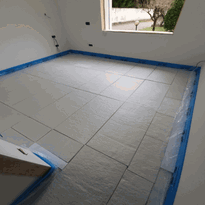
The slim profile of Vacuum Insulation Panels (VIPs) allows them to fit into tight spaces where traditional insulation would be too bulky. This feature helps maximise interior space without compromising thermal performance. Vacuum insulation has the ability to achieve impressive thermal conductivity while maintaining a minimal thickness, enabling the same or superior insulation with reduced wall depth. This makes building designs more efficient, particularly in renovations or constrained areas, as they don't necessitate thicker walls or higher ceilings. Employing VIPs avoids modifications to windows, doors, and other architectural elements, which in turn saves both time and costs. Their space-saving design also results in more usable interior area and enhanced aesthetic appeal, with less bulk material required.
Thermal Bridge Reduction
Implementing Vacuum Insulation Panels (VIPs) significantly reduces heat flow through building envelopes, making them an effective tool for minimising thermal bridges. VIPs can substantially lower the U-value compared to solid brick walls, greatly enhancing insulation performance. They offer far superior thermal resistance compared to traditional materials of the same thickness. Special protective layers on both sides of VIPs, such as expanded polystyrene (EPS), help to reduce edge thermal bridging, particularly at panel borders. Ensuring proper edge sealing and selecting appropriate materials can prevent excessive heat loss at junctions and corners. Additionally, thinner walls mean fewer points for heat leaks, and careful design maximises the efficiency of VIPs. This results in more comfortable indoor environments and reduced energy costs, benefiting everyone under the same roof. The reduced thermal bridging also minimizes cold spots on walls, improving indoor comfort and reducing the risk of condensation and mould growth.
Space-Saving Benefits of Vacuum Insulation Technology
Vacuum insulation panels (VIPs) boast an impressively slim profile compared to conventional insulation methods. This characteristic allows buildings to be designed with reduced space allocated for thermal barriers. This efficiency makes VIPs especially suitable for renovation projects where space is limited, enabling retrofit designs that maintain high insulation standards without sacrificing interior room. The space-saving advantage of VIPs is particularly beneficial in densely populated urban areas, where every square metre counts. Moreover, the slender design of vacuum insulation panels offers architects enhanced flexibility to craft innovative and aesthetically pleasing structures without compromising on insulation effectiveness. This not only optimises space but also contributes to creating more efficient and sustainable living and working environments. The integration of VIP technology into building design is becoming increasingly popular, reflecting a growing awareness of the need for efficient use of space and energy. As a result, it's paving the way for modern architecture that harmoniously balances functionality with style.
Thin Profile Advantage
Vacuum insulation panels (VIPs) are distinguished by their slim profile, which provides substantial space-saving advantages for building design. Their sleek shape enables architects and builders to optimise interior space without compromising insulation efficiency. This allows for more natural light, improved layouts, and fewer structural limitations. Since VIPs have a thermal conductivity of only 0.004 to 0.007 W/m·K, they achieve high insulation performance even with minimal thickness. -They're ideal for fitting into compact areas where traditional insulation may prove too cumbersome. -They contribute to a sleek and modern aesthetic for walls, ceilings, and roofs. -Their slim design diminishes the need for thick walls, creating an illusion of more spacious rooms. -They inspire innovative design possibilities without sacrificing energy performance. -They simplify the renovation of older buildings by conserving available space.
Maximized Usable Space
The space-saving advantages of vacuum insulation technology make it particularly appealing for renovation and new construction projects.
Vacuum Insulation Panels (VIPs) facilitate significant insulation in confined spaces, allowing for thermal improvements without diminishing interior room sizes. Their exceptional thermal resistance enables walls to be much thinner while retaining energy efficiency, which helps to preserve or even enhance usable floor areas during retrofits.
VIPs also simplify compliance with modern energy standards in older buildings that possess limited cavity space. They minimise disruption to interior finishes and furnishings, as they require only slight thickness adjustments compared to traditional insulation methods.
In new constructions, VIPs contribute to the creation of more interior space by allowing exterior walls, floors, and roofs to be thinner without compromising performance. This reduces the overall building footprint and can lower construction costs.
This results in larger, more comfortable spaces that optimise occupancy and overall value.
Architectural Flexibility
Thinner wall constructions enabled by vacuum insulation panels (VIPs) offer significant architectural flexibility.
Due to their remarkable thermal resistance, which is considerably higher than that of conventional insulation at the same thickness, walls can be much slimmer. This innovation frees up valuable space within buildings. Additionally, the high insulation value of VIPs significantly reduces the thickness needed for effective thermal protection, allowing for even more streamlined designs. As a result, architects can create:
Sleeker facades that maintain high energy performance
More interior space for living or working areas
Enhanced room layout options and interior design possibilities
Easier integration into retrofit projects with limited space
The opportunity to utilise complex shapes and innovative building materials
With VIPs, architects and building owners can enjoy modern, stylish designs without compromising on insulation quality.
This flexibility contributes to buildings that aren't only efficient and functional but also visually appealing.
Design Flexibility and Aesthetic Advantages of VIPs
Due to their slim profile, Vacuum Insulated Panels (VIPs) provide architects and builders with enhanced flexibility in creating structures that embody a modern, streamlined aesthetic. Their thin yet highly effective insulation layers facilitate a variety of innovative design possibilities, enabling features such as slim walls, expansive glass facades, and narrow passageways, all without compromising on thermal performance.
As VIPs are produced as flat panels, they require precise placement during the early stages of the planning process. This allows designers to seamlessly integrate them into diverse building elements, including floors, walls, and doors.
Their compact dimensions also facilitate the preservation of traditional proportions in historical renovations while adhering to contemporary energy standards.
Moreover, VIPs align perfectly with minimalist design principles by minimising bulk. This results in clean, flush surfaces and discreet building services, ultimately contributing to architecture that's both contemporary and visually striking.
Additionally, the fire resistance of VIPs enhances safety without sacrificing design aesthetic, making them an ideal choice for a variety of building applications. With VIPs, the possibilities for innovative and aesthetically pleasing designs are boundless.
Installation Considerations for High-Performance Insulation
Proper handling of vacuum insulation panels is crucial to avoid punctures and damage that could undermine their insulation performance.
Protecting the panels during installation with edge strips and exercising careful material handling helps prevent costly errors. Furthermore, the application of effective moisture barriers is essential to ensure the panels remain dry, thereby preserving their long-term efficiency.
Taking these precautions not only enhances the performance of the insulation but also contributes to the overall durability of the installation, making it a worthwhile investment in energy efficiency.
When selecting insulation solutions, it's vital to consider the specific requirements of your project and ensure that high-quality materials are used throughout the process.
Proper Handling Techniques
Handling vacuum insulation panels (VIPs) properly is essential to ensure their high performance in building applications. VIPs are delicate and can be easily damaged if not handled correctly.
To prevent issues, installers should:
Use protective coverings or coatings to guard against mechanical damage.
Avoid sharp objects and non-abrasive tools during placement.
Store panels flat, dry, and in a clean environment until installation.
Ensure correct orientation to maintain vacuum integrity.
Minimise exposure to moisture and dirt during transport and handling.
Adhering to these techniques helps maintain the panels’ thermal capabilities and prevents costly repairs in the future.
Proper handling not only preserves the panel’s performance but also fosters a sense of belonging among skilled installers dedicated to quality.
Careful attention during handling ultimately ensures long-lasting, high-efficiency insulation.
Moisture Protection Methods
Moisture protection is a vital consideration in the installation of vacuum insulation panels (VIPs), as the presence of moisture can greatly diminish their insulating performance and longevity.
To ensure that VIPs remain dry, high-quality barrier materials are employed to prevent the passage of water vapour. The outer envelope of VIPs is specifically designed to be impermeable to gases and water vapour, which is crucial for maintaining the vacuum.
Environmental factors such as humidity and temperature play a significant role in the long-term effectiveness of the panels. During installation, it's essential to seal the edges and seams meticulously to keep moisture at bay.
Furthermore, selecting appropriate core materials, such as microporous silica, helps to reduce moisture absorption. Protecting barrier materials from elevated temperatures is also important, as this preserves their integrity and ensures that VIPs operate efficiently over an extended period.
Employing these moisture protection methods is key to maximising the performance and durability of vacuum insulation panels.
Damage Prevention Strategies
Careful installation is essential to prevent damage to vacuum insulation panels (VIPs) and ensure they perform effectively over time. Proper handling, precise placement, and protection during installation are key.
To minimise risks, installers should:
Use protection boards to shield VIPs from physical impact
Employ air-tight joints to prevent air leaks that weaken insulation
Handle panels with care, avoiding cuts and punctures
Minimise foot traffic and debris in the work area
Use appropriate tools, such as segmented rollers, to apply even pressure
These strategies help preserve the integrity of VIPs, ensuring they provide high thermal performance.
Proper preparation and attention to detail create a safe, damage-free environment, which is crucial for the longevity and efficiency of high-performance building insulation systems.
Environmental Impact and Energy Efficiency Gains
Vacuum Insulation Panels (VIPs) significantly enhance energy efficiency in buildings by offering exceptional thermal insulation compared to traditional materials. Their remarkably low thermal conductivity minimises heat transfer, which reduces the energy required for heating and cooling, leading to lower operational energy consumption.
Moreover, VIPs optimise space utilisation as they allow for slimmer walls without compromising insulation performance, thereby maximising interior room. These advantages contribute to a substantial reduction in the global warming potential over a building's lifecycle, aligning with sustainability objectives.
While the production of VIPs has a greater environmental impact than conventional insulation materials, their overall greenhouse gas emissions are reduced when considering the entire lifespan of the building.
This positions VIPs as an invaluable asset in the pursuit of creating energy-efficient and environmentally responsible buildings.
Cost Implications and Economic Benefits of VIPs
While Vacuum Insulation Panels (VIPs) are recognised for their exceptional thermal performance, their cost implications and potential economic advantages are equally significant considerations. The prices of VIPs can vary, but their swift installation can help reduce labour expenses.
VIPs also save space, which can enhance rental income and overall property value. Their versatility allows for use in both construction and refrigeration applications. Moreover, the expanding global VIP market indicates a rising adoption driven by the growing demand for energy efficiency.
Some key economic advantages include:
Substantial energy savings, leading to reduced utility costs
Enhanced rental income due to space efficiency
Long-term savings through cost-effective lifecycle performance
Government incentives promoting their use
Market expansion driven by advancements in technology
These factors make VIPs a sensible choice for adaptable, cost-effective building projects in the UK.
Addressing Challenges: Durability and Damage Prevention
Maintaining the durability of Vacuum Insulation Panels (VIPs) presents notable challenges due to their delicate construction and long-term performance requirements. Over time, gases such as air and water vapour can permeate the panel's envelope, gradually increasing internal pressure and diminishing insulation efficiency.
Damage or punctures, often caused during installation or handling, can result in immediate vacuum loss and a significant rise in thermal conductivity.
To prevent these issues, careful installation and handling are essential. Protective measures, including double envelopes or wrapping materials, can help shield the panels from potential harm.
Recent advancements in envelope technology, such as multi-layer films and getter materials, aim to enhance the lifespan of VIPs.
Furthermore, improving edge seals and reinforcing this area can contribute to long-term durability by reducing gas leakage and mechanical vulnerabilities.
Suitable Applications and Building Types for VIPs
Vacuum Insulation Panels (VIPs) are increasingly favoured in both residential and commercial buildings across the UK, owing to their outstanding insulation properties.
They're particularly suitable for applications where space is limited or where high-performance insulation is essential.
VIPs are effective in homes, flats, and apartments, contributing to lower energy costs and enhanced comfort levels.
They're ideal for listed buildings, as they maintain the exterior aesthetics while significantly improving insulation.
Offices, schools, hospitals, and warehouses benefit from VIPs, which help strengthen the thermal envelope of the building.
They're particularly advantageous for flat roofs and terraces, offering space-saving solutions while preventing heat loss.
In renovation projects, VIPs can be easily integrated into tight spaces without necessitating major structural modifications.
These attributes position VIPs as a valuable choice for a diverse range of building types seeking enhanced energy efficiency and sustainability.
Future Perspectives in Building Insulation Innovation
Innovations in building insulation technologies are shaping the future of energy-efficient construction in the UK. Researchers are developing advanced core materials such as aerogels and fumed silica to enhance thermal performance beyond traditional vacuum insulation panels (VIPs).
There's also a focus on exploring nanomaterials and bio-based polymers to improve durability and promote eco-friendliness. Enhanced barrier films are being designed to extend the lifespan of VIPs by minimising gas permeability and reducing thermal bridging.
Flexibility is another key area of development, allowing VIPs to conform to curved or irregular surfaces, thus broadening architectural possibilities. Hybrid systems that combine VIPs with conventional materials are emerging to provide an optimal balance between cost and performance.
The integration of digital tools, sensors, and the Internet of Things (IoT) is transforming insulation maintenance and installation accuracy, making processes more efficient.
Furthermore, eco-friendly VIP cores utilising recycled or bio-based components are gaining traction, supporting the construction of greener buildings and contributing to a sustainable future.
Conclusion
Vacuum insulation panels (VIPs) present a high-performance, space-efficient solution for building insulation. They deliver exceptional thermal control, offering flexibility in design and the potential for long-term cost savings.
While considerations such as durability and installation challenges exist, VIPs are well-suited to a variety of building types. Ongoing innovations are likely to enhance their practicality further.
In summary, vacuum insulation panels represent a valuable technology that enhances energy efficiency, while also enabling more versatile and aesthetically pleasing building designs.