
Vip Insulation
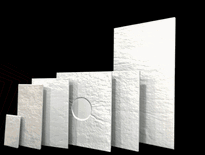
VIP insulation panels are exceptionally efficient materials that offer outstanding thermal protection in buildings through the use of a vacuum-sealed core, which significantly reduces heat transfer. Their slim profile allows for a space-saving design, making them particularly suitable for renovations and energy-efficient projects.
These panels are made from specialised core materials, such as silica or fibres, ensuring they maintain their performance over time, even when faced with handling challenges.
Delving deeper into their benefits reveals how these panels can enhance building performance, as well as the innovative developments that are shaping their future in the construction industry.
The growing emphasis on sustainability and energy efficiency in the UK makes VIP insulation an increasingly popular choice for both new builds and refurbishment projects. By investing in this advanced insulation technology, property owners can enjoy a more comfortable living environment while also contributing to a reduction in energy consumption and carbon footprints.
In summary, VIP insulation panels stand at the forefront of modern insulation solutions, providing an effective means of maximising thermal efficiency and supporting the UK's goals for energy conservation.
Understanding the Core Components of VIPs
The core components of vacuum insulated panels (VIPs) are vital for ensuring their exceptional performance as insulators. These components provide the necessary mechanical support to maintain the vacuum within the panel, preventing collapse under atmospheric pressure. The core's porous structure effectively traps gas in tiny chambers, which significantly reduces heat transfer through convection. Additionally, the core plays a crucial role in absorbing and scattering infrared radiation, thereby minimising radiative heat transfer, a key mode of heat movement in a high vacuum environment. The materials used for the core also influence the panel's overall durability and sustainability. Commonly used core materials include microporous silica, glass fibres, expanded polystyrene, and wood fibres, particularly for more sustainable options. The density and thermal conductivity of these materials can vary, with silica often noted for its remarkably low thermal conductivity.
The Manufacturing Process of Vacuum Insulated Panels
The manufacturing process of vacuum insulated panels (VIPs) involves several precise steps to ensure their effectiveness as insulators.
First, the core material, typically porous with open cells, is shaped by pressing dry components into moulds, effectively removing air and moisture. The surfaces of the core may feature grooves or textures to enhance vacuum efficiency. Advanced materials, such as silica or silicon micropowder, are often incorporated to improve insulation properties.
Once prepared, the core is enclosed in a flexible, airtight bag made of low-permeability materials, which remains open during the vacuuming process. This bag is connected to a vacuum system that expels nearly all air and moisture, achieving a near-vacuum state. Following this, the bag is hermetically sealed to ensure lasting performance.
Step |
Description |
Additional Notes |
| Core Preparation | Shape core with grooves, dry and compress materials | Enhances vacuum efficiency |
| Encapsulation | Enclose core in airtight bag with multilayer film | Maintains vacuum seal, adds durability |
| Vacuum Evacuation | Remove air using vacuum system, attach getters | Improves insulation and longevity |
This meticulous process ensures that vacuum insulated panels provide optimal thermal performance, making them ideal for a variety of applications, including refrigeration, building insulation, and transport packaging. The combination of advanced materials and precise manufacturing techniques contributes to the superior insulation capabilities of VIPs, ensuring energy efficiency and reduced heat transfer.
Comparing VIPs to Traditional Insulation Materials
Vacuum insulated panels (VIPs) surpass traditional insulation materials in several significant ways, particularly with regard to thermal performance. They exhibit exceptionally low thermal conductivity values, which are considerably lower than those of fibreglass or foam insulations. The vacuum within VIPs effectively eliminates convective heat transfer, resulting in a much more efficient insulation solution.
One of the standout features of VIPs is their ability to provide the same level of insulation with a much thinner profile, typically measuring between 10 to 25 mm. This not only saves space but also allows for greater flexibility in design choices, making them an appealing option for various applications.
While the initial investment in VIPs may be higher, their superior performance and space-saving advantages can translate into significant energy savings over time. It's important to note, however, that VIPs require careful handling, as any punctures can compromise their effectiveness.
In contrast, traditional insulations tend to be more robust but are less efficient when used in thinner layers.
The Role of Core Materials in Panel Performance
Core materials play a crucial role in the performance of VIP panels, as they significantly affect insulation properties and structural integrity. Various types of core materials, including microporous powders, fibres, and foams, strike a balance between low thermal conductivity and mechanical support. Choosing the appropriate core material is essential to ensure the panels can endure pressure, maintain their longevity, and provide reliable insulation throughout their lifespan. The core material's porosity and pore size are critical factors influencing gas diffusion rates and long-term vacuum stability. In the UK, where energy efficiency is paramount, the right selection of core materials can enhance the overall performance of insulation panels, contributing to reduced energy costs and improved environmental sustainability. The effectiveness of these materials in minimising heat transfer is vital for a wide range of applications, from building construction to refrigeration.
Core Material Types
The performance of vacuum insulation panels is significantly influenced by the materials utilised for their core. Core materials are available in various types, including microporous powders, fibres, and foams, each possessing unique porous structures that facilitate vacuum stability. Open-porous structures are crucial for effective air evacuation and the maintenance of vacuum integrity, while adequate compressive strength ensures that the panel can endure external pressures. The thermal conductivity of the core material directly affects the thermal resistance of the panel, with certain materials achieving exceptionally low values. To enhance performance, it's essential for core materials to exhibit low moisture absorption and low thermal conductivity. Commonly used core types include fumed silica, glass fibres, and various foams, each presenting specific advantages. Additionally, Supertech Glass Fiber Mat serves as an effective core material, especially in applications like VIPs and ovens, due to its excellent thermal resistance and durability. - Porous structures enable vacuum stability - Low thermal conductivity improves insulation - Mechanical strength prevents collapse - Moisture resistance maintains performance - Material density influences durability
Mechanical Support Functions
The performance of vacuum insulation panels is significantly influenced by the strength and stability of their internal materials. Core materials must withstand atmospheric pressure, which is approximately 100 kPa, while maintaining stability under vacuum conditions. Vacuum panels rely on the integrity of their core to maintain their insulation properties. Should the core collapse, the vacuum is compromised, leading to a sharp decline in thermal performance. The core serves as a robust backbone, providing necessary rigidity to maintain the panel’s shape and prevent deformation. Additionally, it supports the envelope, ensuring the panel remains intact during handling and installation. The microstructure of the core, including pore size and distribution, is crucial as it determines the material's load-bearing capacity without succumbing to collapse. With adequate mechanical stability, vacuum insulation panels can last for several decades, preserving their high insulation performance and avoiding failures that may result in damage or energy loss.
How Vacuum Affects Thermal Conductivity
When a vacuum is created within insulation panels such as vacuum insulation panels (VIPs), it considerably decreases the manner in which heat transfers through them. By extracting the majority of gas molecules, convection is significantly minimised, as heat can't easily travel through moving particles. Vacuum insulation panels typically have a thermal conductivity ranging from 0.004 to 0.020 W/m?K, which is much lower than traditional insulation materials. As the vacuum becomes stronger, thermal conductivity diminishes sharply, achieving remarkably low values. This indicates that heat transfer primarily occurs through conduction in the materials of the panel, rendering VIPs exceptionally effective insulators. - A more robust vacuum inhibits heat loss via gases. - The mean free path of molecules lengthens, further reducing heat transfer. - Low pressure levels markedly enhance insulation performance. - Minor adjustments in vacuum levels can lead to substantial differences in thermal conductivity. - Ensuring vacuum stability is crucial for sustained efficiency. The impact of vacuum on thermal conductivity positions VIPs as a leading choice in the realm of insulation, making them an invaluable solution for energy-efficient applications.
Durability and Lifespan Considerations
Despite their excellent insulating properties when new, vacuum insulation panels (VIPs) encounter challenges regarding durability and lifespan. Over time, gases such as nitrogen, oxygen, and water vapour gradually permeate the barrier envelopes. This leads to an increase in internal pressure and moisture accumulation, diminishing the vacuum and, consequently, raising thermal conductivity, which reduces insulation effectiveness. Vacuum degradation over time Mechanical impacts, punctures, and manufacturing flaws can compromise the integrity of these panels, breaking the vacuum and highlighting the necessity for rigorous quality control during production. For VIPs used in buildings, it's essential that they feature robust, chemically stable envelopes to withstand damage and environmental exposure. Typically, VIPs maintain their performance for several decades before a noticeable decline occurs. However, some long-term studies indicate that certain panels can remain effective for extended periods. Implementing proper protection measures and regular monitoring can further enhance their longevity.
Practical Applications in Building Design and Industry
Vacuum insulation panels (VIPs) have gained significant importance in building design due to their outstanding thermal performance. They provide R-values considerably higher than traditional insulation of equivalent thickness, enabling slimmer walls and roofs. Offering high thermal efficiency, VIPs are particularly advantageous for both retrofitting and new constructions in extreme climates, leading to reduced energy costs and a smaller environmental footprint. Their slim profile allows architects to maximise space while preserving the aesthetic appeal of buildings.
Key applications of VIPs include:
Utilisation in roof insulation to save space and enhance efficiency.
Suitability for exterior wall upgrades without necessitating major structural changes.
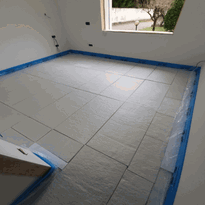
Integration into floors and façades for a sleek, high-performance design.
Application in attic hatches, staircases, and humid environments such as saunas.
Contribution to the creation of energy-efficient buildings while maintaining valuable interior living space and aesthetics.
These applications highlight the vital role VIPs play in advancing sustainability and enhancing user-friendliness in building design.
Challenges in Handling and Installation of VIPs
Handling and installing vacuum insulation panels (VIPs) present several notable challenges due to their delicate construction and specific requirements.
VIPs consist of a brittle core, typically made from fumed silica, which is enclosed by a fragile gas-tight barrier film that's susceptible to punctures and tears. Any impact or bending during installation can compromise the vacuum, significantly diminishing insulation performance. The fragile construction of VIPs means that even seemingly minor mishandling can lead to permanent damage, making careful handling essential.
Given their weight and size, VIPs necessitate the use of specialised lifting equipment, such as cranes or vacuum suction lifters, to avoid damage. Additionally, external environmental factors play a crucial role; exposure to moisture, dirt, or UV light can adversely affect the panels, necessitating careful protection from site conditions.
Proper training is vital, as incorrect handling or placement can result in irreversible damage, making repairs challenging, if not impossible.
Innovations and Future Developments in VIP Technology
Innovations in VIP technology are revolutionising the design, manufacture, and application of insulation panels in buildings. New high-performance VIP products, such as Panasonic's ADVANC-R® and Kingspan's OPTIM-R E, deliver superior R-values in slimmer formats, making them ideal for confined spaces and renovation projects.
Researchers are focusing on developing durable VIPs with stainless steel casings and enhanced handling features, aiming to provide long-lasting and safe insulation solutions. The integration of VIPs with smart building systems enables dynamic control of insulation, significantly improving energy efficiency.
Advancements in manufacturing techniques are prioritising efficient production through improved vacuum sealing and the use of high-quality materials like stainless steel. The growth of the market is driving these innovations, with a strong emphasis on sustainability and customisation to cater to diverse architectural requirements.
These developments aim to make VIPs more accessible and trustworthy for a broad range of building projects.
High-performance panels are setting new benchmarks for energy efficiency.
Durable, safety-focused designs are extending the lifespan of VIPs.
Smart integration is optimising energy use in buildings.
Manufacturing advancements are ensuring quality and scalability.
Customisable VIP solutions are supporting a variety of construction needs.
Cost Factors and Economic Benefits of Using VIPs
Although Vacuum Insulation Panels (VIPs) offer significant energy and space-saving benefits, their higher initial costs continue to pose a challenge for wider adoption in the UK market. The production cost of VIPs is considerably more than that of traditional insulation materials, often reflecting the complexities involved in their manufacturing process, which includes vacuum sealing and specialised core materials such as aerogel or fumed silica.
However, these costs can be offset over time through substantial energy savings, as VIPs significantly reduce heating and cooling expenses due to their exceptional insulation performance. Additionally, the thinner design conserves valuable space, potentially increasing usable floor area and, in turn, enhancing rental income, particularly in urban settings.
When evaluating life cycle costs, VIPs can represent a prudent investment, striking a balance between upfront expenses and long-term financial advantages.
With the growing emphasis on energy efficiency and sustainable building practices, the adoption of VIPs may become increasingly appealing for both residential and commercial properties in the UK.
Conclusion
Vacuum Insulated Panels (VIPs) offer exceptional energy efficiency by utilising a vacuum to minimise heat transfer, making them an ideal choice for energy-saving insulation in modern buildings. Their robust core materials and advanced manufacturing techniques ensure superior performance compared to traditional insulation options. However, challenges related to handling and costs can arise.
As ongoing research progresses, we can expect innovations to enhance both the durability and affordability of these panels. Overall, VIPs represent a promising solution for contemporary building insulation, effectively combining performance with significant potential for growth in various industry applications.
With the increasing focus on sustainability and energy efficiency in the UK, the adoption of VIPs is likely to rise, offering a compelling alternative for those looking to improve insulation standards.