
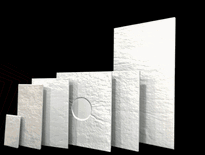
Vip Insulation Panels Price
The prices of VIP insulation panels are influenced by various factors, including core materials, panel dimensions, intended applications, and regional market conditions. High-quality panels crafted from advanced materials, such as fibreglass or fumed silica, generally command a higher price, particularly in emerging markets where there is a greater dependence on imports, leading to increased costs.
Although the initial investment in VIP insulation panels exceeds that of traditional insulating materials, their longevity, space-saving advantages, and energy efficiency can provide significant savings in the long run.
To gain a better understanding of the pricing landscape and regional variations, further exploration of this topic is encouraged.
Factors Affecting the Cost of VIP Insulation Panels
Several factors influence the overall cost of VIP insulation panels, ranging from material choices to manufacturing processes.
The core materials, such as fiberglass or fumed silica, play a significant role in cost as they determine both durability and thermal resistance. The quality and purity of these core materials can also impact the lifespan and performance of the panels.
The vacuum level within the panels also affects pricing, as maintaining a precise vacuum requires advanced manufacturing techniques.
Envelope materials, including laminated metal foils or high-barrier polymers, contribute to costs due to the necessity for them to be gas-tight.
Utilising advanced core structures to enhance insulation efficiency can increase production expenses but may lead to lower energy costs in the long run.
Moreover, fragile core materials necessitate careful handling during both manufacturing and shipping, which can further raise costs. Cost management strategies are essential to balancing quality with affordability in VIP panel production.
Regional Price Variations and Market Trends
Regional price variations for VIP insulation panels are influenced by disparities in manufacturing capabilities, supply chain stability, and local market conditions. In established markets such as the UK and Europe, prices tend to be more competitive due to mature supply chains and larger production scales. These regions also benefit from government incentives aimed at promoting energy-efficient buildings, which bolster demand and help stabilise costs. Conversely, emerging markets like India, China, Brazil, and the Middle East often see higher prices for VIP panels. This is primarily due to less localised production, greater reliance on imports, and lower market familiarity with these advanced insulation solutions. In the Asia-Pacific region, particularly in China, supportive government policies that encourage energy efficiency and local manufacturing contribute to more competitive pricing. Furthermore, the presence of local manufacturers in regions like Southeast Asia helps reduce transportation costs and makes VIP panels more affordable for regional consumers.
Comparing VIPS With Traditional Insulation Materials
VIP insulation panels often come with a higher initial cost compared to traditional insulation materials. However, they can lead to considerable savings over time through enhanced energy efficiency and valuable space savings.
The exceptional thermal performance of VIPs means that less material is required, which can help to mitigate the initial investment.
When evaluating costs, it's crucial to consider both the immediate outlay and the long-term advantages. By investing in VIP insulation, property owners can enjoy reduced energy bills and improved comfort levels, making it a worthwhile consideration for those looking to enhance their insulation solutions.
Ultimately, the choice between VIPs and conventional materials hinges on balancing upfront costs against future benefits, particularly in terms of energy conservation and overall performance.
Cost Efficiency Comparison
While the initial expenses for VIP insulation panels are higher than those associated with traditional materials, their cost efficiency can be considerably better in the long run.
Firstly, VIPs can lead to substantial savings by eliminating the need for structural modifications that thicker, conventional insulation often necessitates.
Secondly, despite a higher price per square metre, they frequently prove to be more economical due to the space savings they provide and the reduced number of installation steps required.
Additionally, the durability of VIPs means they need to be replaced less frequently, which further lowers lifecycle costs.
Moreover, the energy savings achieved through superior insulation can significantly enhance their overall value, with notable reductions in electricity and gas expenses.
It is also important to consider that the growing adoption of VIPs in sustainable construction practices drives market growth, which can lead to increased demand and potential economies of scale that lower costs over time.
Thermal Performance Advantages
Vacuum insulated panels (VIPs) provide significant thermal performance benefits when compared to traditional insulation materials. Their thermal conductivity is considerably lower than that of fiberglass or foam, resulting in much more efficient insulation properties. This ultra-low conductivity is attributed to the vacuum core, which effectively minimises heat transfer through both convection and conduction. As a consequence, VIPs can achieve the same or even superior insulation performance with much thinner panels, often ranging between 10 to 25 millimetres in thickness. Additionally, these panels are resistant to moisture and retain their performance over time, thanks to airtight, moisture-resistant membranes. Their long-term stability and durability further enhance their suitability for a wide range of insulation applications.
Price Ranges Based on Panel Types and Applications
Price ranges for insulation panels can vary significantly based on their type and intended application.
Thicker vacuum insulated panels, such as those that are three inches thick, typically fall within a price range that reflects their enhanced insulation performance. Advanced versions may provide superior value for their thermal efficiency.
For building retrofits, basic vacuum insulated panels are generally priced per square inch, with costs influenced by market trends and different manufacturers. The market demand for energy-efficient renovations also impacts pricing.
Panels designed specifically for refrigeration or cold storage applications usually offer higher R-values and are available across a broad price spectrum, dictated by their size and quality.
Custom-sized or layered composite panels, particularly those used in industrial settings, tend to be more expensive due to the bespoke fabrication processes and added durability.
These variations in pricing allow consumers to select insulation panels that best meet their requirements, striking a balance between cost and performance.
Impact of Material Quality and Manufacturing Processes
The quality of materials and the methods employed during manufacturing are vital in determining the performance of vacuum insulated panels (VIPs). High-quality core materials feature porous, engineered structures that significantly reduce heat transfer by limiting solid conduction and gas movement. By keeping pore sizes small, insulation properties are enhanced.
Thin walls are designed to strike a balance between strength and insulation effectiveness. The manufacturing processes, such as core compression and vacuum sealing, have a direct impact on the efficiency and durability of the panels.
Advanced techniques, including multilayer barrier films and innovations like self-healing coatings, are employed to help maintain the vacuum and extend the lifespan of the panels.
The selection of composite materials and additives is crucial in enhancing mechanical strength and moisture resistance, though it also influences overall costs. Ultimately, the careful selection of materials combined with precise manufacturing methods is essential for producing reliable and long-lasting VIP panels.
Future Price Trends and Factors Driving Changes
As markets continue to expand, several factors are anticipated to influence the future prices of vacuum insulation panels (VIPs).
Technological advancements such as nanotechnology and enhanced manufacturing processes are expected to lower production costs, making VIPs more accessible to consumers. This allows for wider adoption across various industries.
Growing demand propelled by energy efficiency regulations and sustainable building practices will likely maintain elevated prices in certain regions.
Regional differences in market maturity and production capabilities will persist in affecting prices, with established markets typically offering more stable and competitive pricing.
Economic factors including raw material costs, tariffs, and disruptions in the supply chain may lead to price increases, even as innovation drives production costs down.
These elements will significantly shape the evolution of VIP insulation panel prices, impacting both industry development and consumer decisions.
Cost Considerations for Different Industries and Projects
Different industries and projects encounter distinct costs when utilising VIP insulation panels. Factors such as material prices, project scale, and installation techniques significantly influence the overall expenditure. Pricing varies depending on the type and quality of the VIP panels chosen, affecting the total budget accordingly. Larger or specialised projects often benefit from economies of scale or specific requirements, allowing for potential cost savings. Understanding these variables is essential in determining the true cost and value of VIP panels for various applications.
Industry Material Costs
Material costs for VIP insulation panels can vary considerably based on the manufacturer and location within the UK. Prices are affected by several factors, including the choice of core material, the level of customisation required, and regional energy policies.
For instance, VIP prices can differ significantly between various areas, with installation costs typically ranging widely. Here are some key considerations:
VIPs with a silica core are generally pricier due to their exceptional thermal conductivity and stability. Silica cores are known for their superior insulation properties.
Custom and shaped VIPs tend to incur higher costs as they're designed for specific applications.
Areas with stringent regulations or incentives often experience elevated prices for VIPs.
Various insulation types, such as foam or composite VIPs, provide a balance between cost and thermal performance requirements.
Project Size Impacts
Project size plays a significant role in determining the overall cost of VIP insulation panels. Larger projects often benefit from lower prices per square metre, as they can negotiate bulk discounts and optimise transportation.
These larger undertakings typically feature standardised panel sizes, which streamline handling and reduce waste, ultimately saving both time and budget.
Conversely, smaller or custom projects usually incur higher costs due to reduced order volumes and unique specifications that necessitate specialised fabrication or design.
In addition, larger projects tend to distribute fixed regulatory expenses over a greater number of panels, making the process more cost-effective.
In contrast, smaller jobs may face additional costs for expedited delivery or specific certifications, which can inflate the overall price.
Understanding how project size influences costs enables industries to plan budgets more accurately and select the most suitable insulation solutions for their needs.
Handling and Installation
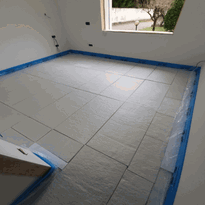
Handling and installation of VIP insulation panels necessitate careful planning and meticulous attention to detail, as these panels are delicate and can be easily damaged if not managed appropriately. Proper handling is crucial to ensure the insulation retains its effectiveness and structural integrity.
Here are some key considerations:
Employ trained personnel to avoid accidental damage during transportation and installation.
Handle panels with care to prevent perforations and avoid puncturing during the setup process.
Ensure that surfaces are clean and free from debris to enhance adhesion and prolong the lifespan of the insulation.
Collaborate with reputable suppliers who are knowledgeable about VIP specifications to minimise the risks associated with mishandling.
The installation process demands precision and a commitment to quality, especially in sectors where high-performance insulation is vital.
Conclusion
The cost of VIP insulation panels can vary significantly based on several factors including the quality of materials, type of panel, and regional market conditions. Generally, premium panels or those designed for specialised applications tend to carry a higher price tag.
Market trends and the processes involved in manufacturing also play a crucial role in determining prices. Future costs may be influenced by the availability of raw materials and the overall demand within the industry.
Understanding these factors is essential for buyers in the UK, as it enables them to make informed choices. By considering their specific project requirements and budget, customers can select the most appropriate panels without facing unexpected expenses.
Overall, being aware of the various influences on pricing helps ensure a successful insulation solution tailored to individual needs.