
Vip Panels
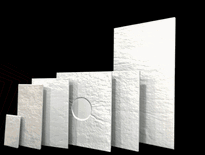
VIP panels are sophisticated insulation solutions that utilise a vacuum core to deliver exceptional thermal performance while remaining slim and lightweight. They substantially minimise heat transfer, enhancing energy efficiency in buildings without adding unnecessary bulk. Constructed from advanced materials such as fumed silica and layered with protective barrier foils, these panels are perfect for space-saving applications in construction and refrigeration.
While VIP panels boast remarkable durability, meticulous installation is crucial to ensure the integrity of the vacuum and prevent any potential loss.
Delving deeper into the functionality of these panels illuminates their potential to enhance various architectural designs and contribute to sustainability initiatives within the construction industry. The integration of VIP panels supports a move towards greener building practices, allowing for increased energy efficiency and reduced environmental impact.
As awareness of sustainable building solutions grows, VIP panels emerge as a key player in the quest for energy-efficient structures that do not compromise on space or aesthetic appeal.
Overview and Industry Uses of VIP Technology
Vacuum Insulated Panels (VIPs) represent a sophisticated form of insulation technology, delivering considerable advantages across numerous sectors. They possess exceptionally low thermal conductivity, which translates to superior insulation performance compared to conventional materials. The vacuum within the panels effectively eliminates heat transfer via convection, significantly curtailing heat loss. Due to their impressive thermal resistance, VIPs are considerably more effective per unit thickness than traditional foam or fibre insulations. This efficiency allows for more compact designs, optimising space in buildings and equipment. VIPs find extensive application in building envelopes, including walls and roofs, particularly in colder climates or during refurbishment projects. Their use also enhances energy efficiency in refrigeration and cold storage systems. In commercial roofing, VIPs facilitate the achievement of high thermal resistance values with minimal thickness, thereby supporting sustainable and efficient building designs. Their ability to prevent air entry is crucial for maintaining the vacuum and insulation performance over time, ensuring long-term operational effectiveness.
Key Materials and Manufacturing Techniques
The materials utilised in vacuum insulated panels (VIPs) are meticulously chosen to achieve optimal performance and longevity. Rigid porous core materials, such as fumed silica and open-cell foams, provide essential structural support while ensuring low thermal conductivity. These cores feature micro- or nanoporous structures, which significantly reduce heat transfer through gases. Specialty powders like fumed silica can achieve exceptionally low thermal conductivities, enhancing overall insulation effectiveness. The cores are typically formed by compressing these powders into specific shapes, effectively eliminating air pockets. Within the panels, getters are incorporated to absorb residual gases, helping to maintain the vacuum over time. The envelope or barrier layers, constructed from multi-layered foils of stainless steel, aluminium, or plastic, are securely sealed using methods like ultrasonic welding. This sealing ensures that the panel remains airtight, providing durable insulation that stands the test of time. Advanced manufacturing techniques are also employed to further improve the airtightness and reduce the initial conductivity of VIPs, contributing to longer-lasting thermal performance.
Understanding Thermal Performance and R-Values
Understanding how Vacuum Insulated Panels (VIPs) perform thermally is crucial to their effectiveness as insulation. Their R-values, which measure resistance to heat flow, remain high over time despite minor decreases caused by vacuum loss or edge effects. This stability ensures that VIPs are a dependable choice for applications where consistent thermal performance is vital. Their high R-value is largely due to their unique structure that minimizes heat transfer. The long-lasting thermal resistance of VIPs makes them particularly suitable for energy-efficient buildings, where maintaining optimal indoor temperatures is essential. Their lightweight nature combined with excellent insulation properties allows for innovative design solutions that can enhance energy conservation.
Insulation Efficiency Dynamics
Insulation efficiency in vacuum insulated panels (VIPs) relies significantly on their ability to prevent heat transfer, which is primarily achieved through their distinctive design features. The low thermal conductivity of the core material, coupled with an airtight vacuum, effectively blocks convective heat flow. This results in exceptionally high R-values, often reaching remarkable levels, meaning that thick insulation isn't necessary. Furthermore, the thermal conductivity of the core material can be further reduced by incorporating advanced materials such as aerogel or special fibre layers, which enhance thermal stability. The gas barrier envelope is crucial in maintaining the vacuum, ensuring long-term performance, while advanced core materials such as aerogel or specialised fibre layers enhance thermal stability. Understanding the interplay of these elements is essential for maximising insulation efficiency. - The vacuum within the panel minimises heat transfer, particularly through convection. - High-quality gas barriers prevent gas leaks, thereby extending the lifespan of the panels. - Thinner VIPs offer space-saving solutions while maintaining superior thermal performance. Incorporating these advanced features into building designs can lead to significant energy savings and improved thermal comfort in various applications.
Stability of R-Values
R-values can fluctuate over time as insulation materials age and interact with their environment. Gas diffusion can lead to a reduction in R-values, with some materials potentially losing a significant portion of their effectiveness throughout their lifespan. Maintaining low-conductivity gases within cellular structures is essential for keeping R-values stable; however, when these gases are replaced by air, the thermal performance diminishes. This phenomenon is particularly relevant in closed-cell foam insulations. Temperature variations also affect stability; extreme cold or heat can lower R-values, particularly in polyisocyanurate insulation. Additionally, ageing processes such as gas exchange and moisture exposure further compromise thermal resistance. Proper installation, effective sealing, and the application of protective coatings can help mitigate these declines.
The following table outlines factors influencing R-value stability:
Factor |
Effect |
Solution |
| Gas diffusion | Reduces R-value over time | Employ weather-resistant barriers |
| Temperature changes | Causes R-value decrease in some materials | Select temperature-resistant insulations |
| Moisture exposure | Lowers insulation efficiency | Seal and protect insulation from moisture |
| Ageing processes | Gradual decline in R-value | Conduct regular inspection and maintenance |
Integrating VIPS Into Building Structures
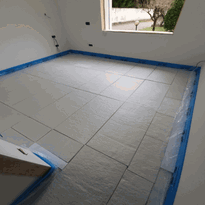
Integrating Vacuum Insulation Panels (VIPs) into building structures requires meticulous planning and precise execution to fully harness their advantages. These panels offer exceptionally high R-values while maintaining a slimmer profile compared to traditional insulation, making them particularly suitable for projects where space is at a premium.
VIPs are manufactured off-site in controlled factory environments to guarantee quality and safeguard the vacuum seal during transport and installation. To facilitate a smoother installation process, designers often pre-fit architectural details such as windows, which helps reduce on-site labour and enhances efficiency.
Proper integration of VIPs involves employing strategies for secure attachment while minimising thermal bridging at the edges. Maintaining the integrity of the vacuum is crucial for sustaining long-term performance, as any loss of vacuum can significantly diminish the insulation benefits. Specialized adhesives and sealants are used to ensure the vacuum is not compromised during installation.
The lightweight and slender nature of these panels not only allows for easier handling but also accelerates the installation process. Additionally, factory pre-assembly contributes to less disruption on site and speeds up the overall construction timeline.
To ensure a seamless installation, precise technical drawings are essential, helping to avoid any necessary modifications once on-site. By adhering to these best practices, the integration of VIPs can greatly enhance energy efficiency in building projects across the UK.
Commercial and Specialized Applications of VIP Panels
VIP panels provide innovative space-saving designs, making them particularly advantageous in areas with limited space, such as flat roofs and balconies. These panels are ideal for temperature-sensitive environments, including cold storage facilities, where superior insulation performance is essential. However, to fully harness their potential in commercial and specialised applications, it's crucial to address challenges related to cost and durability in harsh conditions. Additionally, the panels' advanced materials and technology contribute to their high performance and require careful consideration of installation and maintenance practices to ensure long-term effectiveness.
Space-saving Design Benefits
Space-saving design features of VIP panels offer significant advantages in both commercial and specialised applications. Their ultra-thin profiles provide effective insulation without compromising valuable space.
VIP-enhanced retrofit panels can be considerably thinner than conventional panels while delivering the same thermal performance, thereby maximising usable area. This allows buildings and equipment to maintain their functionality without bulky insulation layers that restrict design choices.
Incorporating VIPs into slim walls or ceilings allows for flexible renovation options.
Designing appliances to be slimmer and lighter caters to modern, compact models.
Increasing cargo volume in transportation is particularly beneficial for temperature-sensitive goods.
These advantages help optimise space, improve efficiency, and support innovative design solutions across various industries.
Temperature-critical Environments
Because of their exceptional thermal resistance, VIP panels are increasingly important in environments where temperature control is critical, such as in commercial buildings and specialised logistics.
VIPs offer high R-values, significantly reducing heat transfer and lowering energy costs. Their slim profiles help meet stringent building regulations without compromising on space, making them ideal for confined areas.
In cold chain logistics, VIPs assist in maintaining precise temperatures during transit, reducing the need for large refrigeration units and conserving energy.
They're also employed in temperature-controlled packaging for medical and pharmaceutical shipments, facilitating more efficient transportation.
Certain variants of VIPs can withstand high temperatures, providing essential fire resistance for specialised commercial applications. VIPs are also capable of withstanding temperatures up to 1,000°C, making them suitable for fire-resistant insulation solutions. Their durability and high performance make VIPs a reliable choice in temperature-critical environments.
Cost and Durability Challenges
While vacuum insulated panels (VIPs) provide outstanding thermal performance, their substantial costs and durability issues present significant challenges for commercial and specialised applications. The initial expense of VIPs is considerably higher than that of traditional insulation, largely due to the complexities involved in manufacturing and the use of premium materials. Elevate VIP systems achieve R-values as high as 66, far surpassing conventional options. Although prices are gradually decreasing with more manufacturers entering the market, the high upfront costs continue to restrict widespread adoption unless faced with extreme climates or elevated utility rates that warrant the investment. Concerns over durability also arise, as VIPs rely on a gas-tight vacuum that's susceptible to failure if punctured or otherwise damaged, resulting in a loss of performance. It's crucial to protect these panels during installation and throughout their service life, particularly in environments where mechanical damage or exposure to the elements is more likely.
Higher initial costs restrict affordability for numerous projects.
Damage from handling can lead to vacuum loss and diminished insulation effectiveness.
Specialised designs featuring ultra-high R-values come at a premium, further increasing overall expenses.
Addressing Challenges and Future Innovation
Addressing the challenges faced by vacuum insulated panels (VIPs) is crucial for their wider adoption and future advancement. The high costs and intricate manufacturing processes limit their utilisation, as precise vacuum sealing and high-quality barrier films are essential. Moreover, VIPs are prone to punctures, which can compromise their insulation properties. They also encounter issues such as a lack of comprehensive long-term reliability data and constraints related to fire safety and building regulations.
To surmount these obstacles, innovation is concentrating on the development of stronger, fire-resistant materials, enhancements in vacuum retention techniques, and the creation of customisable, modular designs. These advancements aim to render VIPs more affordable, durable, and easier to install, fostering a sense of belonging among builders, designers, and users who seek energy-efficient, safe, and enduring solutions.
Challenge
Innovation Opportunity
Cost and manufacturing complexity
Advanced materials and scalable technology
Puncture sensitivity and durability
Stronger, fire-resistant barriers
Building and safety regulations
Harmonised standards and safety testing
As the industry evolves, the focus on overcoming these challenges will pave the way for more accessible and efficient insulation solutions, ultimately contributing to a sustainable future in construction and energy conservation.
Environmental Impact and Sustainability of VIP Solutions
Vacuum Insulated Panels (VIPs) present significant environmental advantages, making them an appealing option for energy-efficient building design in the UK. They contribute to a reduction in energy consumption by delivering exceptional insulation with less material, thereby diminishing the overall carbon footprint of buildings. VIPs also play a role in meeting climate objectives by promoting energy efficiency.
By enhancing space efficiency, they provide superior insulation without compromising interior areas, and they assist in prolonging the lifespan of goods by maintaining stable temperatures.
Nonetheless, the production of VIPs requires considerable energy, particularly due to the processing of raw materials such as silica. The recycling of VIPs poses challenges but is crucial; efforts are underway to formulate more sustainable, circular solutions.
Overall, VIPs hold the potential to make a substantial contribution to sustainable building practices, provided that the environmental challenges are effectively addressed.
Reduced energy usage leads to lower greenhouse gas emissions
Advancements in recycling contribute to a greener future
Extended lifespan diminishes waste and resource consumption
Conclusion
Vacuum Insulated Panels (VIPs) provide highly effective thermal insulation for various building applications. They are designed with advanced materials, offering superior energy efficiency while minimising environmental impact.
Despite challenges such as cost and manufacturing complexity, ongoing innovations are focused on enhancing their sustainability and affordability. As technology progresses, VIPs are poised to play a crucial role in the development of more energy-efficient, sustainable structures.
These panels contribute significantly to reducing overall carbon emissions and improving building performance, making them an essential component for future construction in the UK.