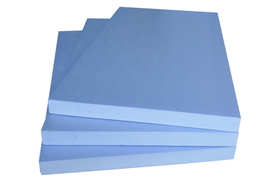
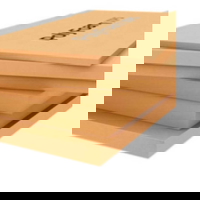
When searching for efficient insulation, the Polyfoam Upstand Insulation Board excels. It offers excellent thermal performance, long-lasting durability, and an impressive fire rating. Follow installation instructions precisely, using proper tools like a TCT saw. This board boosts thermal resistance, cuts energy costs, and resists moisture and mould. It's perfect for various structures, especially upstand and parapet walls. Plus, it's environmentally friendly with zero Ozone Depletion Potential and recyclable materials. To maintain it, inspect regularly for wear, clean gently, and act fast on any issues. Make sure to follow manufacturer guidelines for upkeep. Master these practices for a well-insulated building.
- Excellent thermal performance for improved building insulation.
- Long-term durability ensures continuous efficiency.
- Resistant to moisture, mould, and deterioration for longevity.
- Easy maintenance with regular inspections and gentle cleaning.
- Follow manufacturer guidelines for installation and maintenance to maintain effectiveness.
When considering the Polyfoam Upstand Insulation Board, its key features prominently showcase its versatility and high-performance attributes.
The board offers energy efficiency benefits through its excellent thermal performance, making it a cost-effective solution for upstand and parapet walls insulation. Not only does it provide a reliable thermal barrier, but it also guarantees long-term durability due to its high compressive strength and resistance to moisture absorption.
With a water vapour resistivity of 625MNs/g.m and a low moisture absorption rate of 0.7% by volume, this board is designed to stand the test of time. Its reaction to fire classification of A1 further improves its safety profile, while its certification to standards like BES 6001 and ISO ensures quality, environmental friendliness, and efficient energy management.
Whether used for inverted roofs or green roofs, the Polyfoam Upstand Insulation Board is a versatile and reliable choice for those seeking high-quality insulation solutions that deliver on performance and sustainability.
For optimum performance, make sure to follow the manufacturer's installation guidelines precisely when fitting the Polyfoam Upstand Insulation Board. To ensure a perfect fit, use cutting techniques and the correct tools such as a TCT saw. This will help you shape the boards accurately and prevent any unnecessary gaps that could affect the insulation's efficiency. When cutting the boards, remember to measure twice and cut once to avoid mistakes.
Common errors during installation include not sealing joints effectively, which can result in air leakage and reduced thermal efficiency. To address this, carefully inspect all joints and seams to ensure they are tightly sealed. Also, check the boards for any damage before installation to avoid future problems.
If you are dealing with a complicated project, think about hiring professional installers to guarantee precision and optimal performance. By following these instructions, you will achieve excellent outcomes and maximise the advantages of using Polyfoam Upstand Insulation Board in your construction projects.
To fully appreciate the benefits of upstand insulation, one must understand how it enhances thermal resistance for walls and improves energy efficiency in buildings. Upstand insulation plays a crucial role in reducing energy consumption, resulting in significant cost savings over time. By providing excellent thermal resistance for upstand and parapet walls, it helps create a barrier that retains heat during cold weather and keeps it out during hot weather, thereby improving energy efficiency. This increased efficiency not only lowers utility bills but also reduces the environmental impact of the building.
Moreover, upstand insulation is resistant to moisture, mould growth, and long-term deterioration, ensuring its durability and structural stability. Its high compressive strength makes it reliable for long-term use, while the integral weather-resistant facing provides an additional layer of protection against severe weather conditions. Embracing upstand insulation can lead to a more sustainable and cost-effective approach to maintaining energy-efficient buildings.
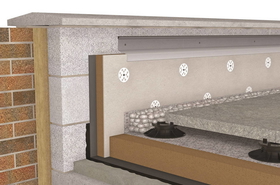
Polyfoam Upstand Insulation Board is commonly used in various types of building structures to provide effective thermal insulation and protection. It is a great option for upstand and parapet walls in buildings that aim to improve energy efficiency and save costs.
Whether it is utilized in inverted roofs, green and blue roofs, or traditional warm roofs, this insulation board offers high compressive strength and long-term dimensional stability. This ensures structural support while promoting sustainability in construction methods.
The impressive thermal conductivity and low moisture absorption rate of this insulation board support green building objectives, enhancing the sustainability of the project. Moreover, the weather-resistant facing board enhances durability, safeguarding against the elements and prolonging the lifespan of the board.
The Polyfoam Upstand Insulation Board's environmental impact is significant due to its sustainable features and materials.
Polyfoam XPS has a zero Ozone Depletion Potential (ODP) and utilises a blowing agent with low Global Warming Potential (GWP). These factors contribute to reducing harmful emissions and promoting a healthier environment.
Additionally, the XPS content is non-biodegradable but 100% recyclable, posing no known threat to nature. The board's facing has a top fire safety classification (A1), ensuring safety standards are met.
With a water vapour resistivity of 625MNs/g.m, the XPS content offers excellent moisture resistance, preventing potential damage. Its thermal conductivity of 0.033W/mK makes it an efficient thermal insulator, aiding in energy conservation.
Considering these aspects, the Polyfoam Upstand Insulation Board aligns with sustainable practices and green building initiatives, making it an eco-friendly alternative for construction projects. When evaluating its environmental impact, conducting a carbon footprint analysis showcases the positive contribution of choosing such materials.
To keep your Polyfoam upstand insulation board in good condition, remember to regularly check for any signs of damage or wear.
Clean the board with a gentle detergent and water mixture to get rid of dirt and debris, and be careful not to place heavy items on it to prevent any potential harm.
It is important to monitor the board's condition during severe weather conditions to maintain its effectiveness in the long run.
Regularly maintain the cleanliness of the Upstand Insulation Board by gently scrubbing with a mild detergent solution and a soft brush to preserve its effectiveness and longevity. When cleaning, remember to avoid harsh chemicals or abrasive materials that could harm the board. Here's a helpful table to guide you on the proper maintenance and cleaning precautions:
|
Cleaning Techniques
|
Frequency
|
Tools Needed
|
|
Mild Detergent Solution
|
Monthly
|
Soft Brush
|
|
Gentle Scrubbing
|
As needed
|
Clean Cloth
|
|
Inspection for Damage
|
Quarterly
|
Visual check
|
|
Protective Coating
|
Annually
|
Sealant
|
Inspect the upstand board regularly for any signs of damage or wear to ensure its longevity and effectiveness.
To prevent damage, ensure proper drainage to avoid water pooling, as this can weaken the board over time.
Be cautious of sharp objects or heavy impacts that may cause punctures or dents, compromising the board's insulation properties.
Cleaning the board periodically is vital to remove dirt, debris, and contaminants that could potentially harm it.
Consider applying a protective coating or sealant as a key measure to boost durability and weather resistance.
In case of any damage, explore repair methods promptly to maintain the board's integrity.
Additionally, waterproofing solutions can further safeguard the board from moisture infiltration, prolonging its lifespan.
Examining the Polyfoam Upstand Insulation Board for signs of wear and damage is crucial to ensure its longevity and efficiency. To maintain the board's effectiveness, follow these steps:
- Identifying cracks: Check for any visible cracks on the surface of the insulation board, as they can impact its insulation properties.
- Surface changes: Look out for any dents or surface changes that may indicate potential damage or wear, affecting the board's performance.
- Inspect integrity: Ensure the facing board and XPS content remain intact to maintain thermal efficiency.
Regular inspections and prompt action will help preserve the insulation board's functionality and protect the building structure. Adhering to manufacturer guidelines for maintenance is essential for extending its lifespan and performance.
In testing conditions, XPS insulation doesn't lose its R-value. Its resistance to moisture ensures consistent thermal performance. You can rely on XPS to sustain its insulation properties over time, offering long-lasting and trustworthy insulation.
When you consider the R-value accuracy of extruded polystyrene foam boards, you'll discover their exceptional benefits. These insulation boards provide excellent thermal resistance, reducing heat loss and improving energy efficiency in buildings.
Yes, XPS insulation can become wet, but it retains its thermal performance and resists moisture thanks to its closed-cell structure. Proper installation and sealing are essential to ensure this. With XPS, you can benefit from moisture resistance, durability, and peace of mind.
When comparing K values, consider the efficiency of Polystyrene insulation. The low K value of 0.033W/mK in Polyfoam XPS offers excellent thermal performance and energy savings, improving comfort in buildings. Experience the advantages of polyfoam insulation!
To summarise, polyfoam upstand insulation boards offer a cost-effective and efficient solution for insulating buildings.
With simple installation guidelines and a range of benefits such as reducing heat loss and improving energy efficiency, these boards are suitable for various application areas.
Their minimal environmental impact and low maintenance requirements make them a practical choice for sustainable construction.
Consider integrating polyfoam upstand insulation boards in your next building project for improved thermal performance and long-term savings.




 Verified Buyer