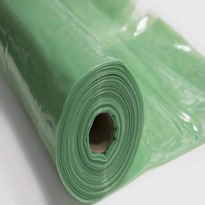
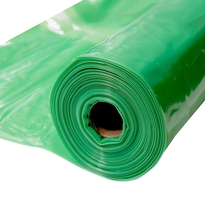
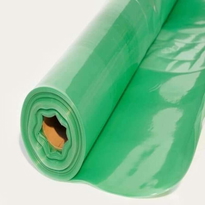
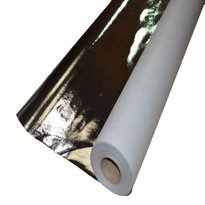
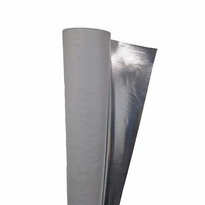
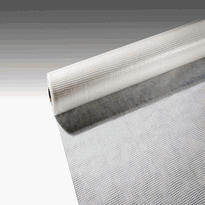
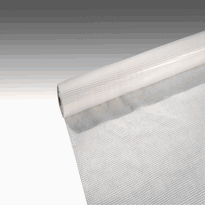
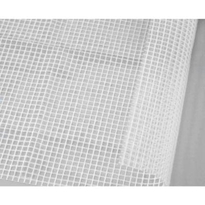
500 Gauge Polythene Vapour Control Layer
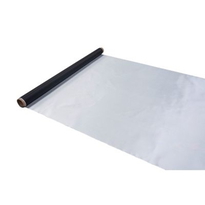
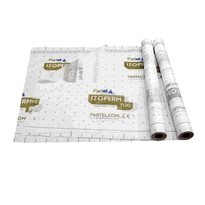
A 500 gauge polythene vapour control layer is a robust, high-quality plastic sheet crafted from virgin blown polythene. Its primary purpose is to prevent moisture from penetrating building walls, roofs, and floors. This layer plays a vital role in maintaining energy efficiency by significantly reducing air leakage and minimising condensation issues. It adheres to European standards, ensuring reliability and effectiveness.
For optimal performance, it is essential to install the vapour control layer correctly. This includes sealing overlaps meticulously and taking care to avoid any damage during installation.
To discover more about how this material contributes to building durability, continue to explore its features and recommended best practices.
Material Composition and Construction Features
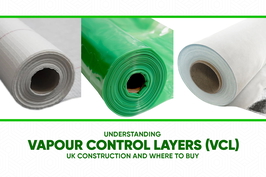
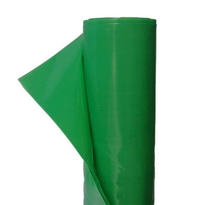
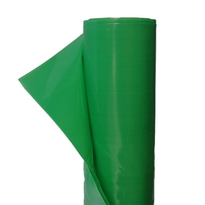
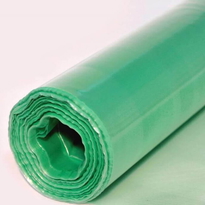
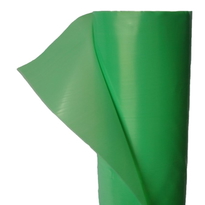
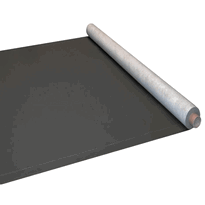
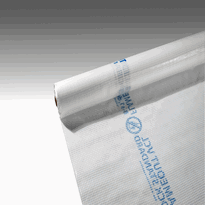
The polythene vapour control layer is crafted from virgin grade blown polythene, ensuring high purity and consistent performance. This material is free from recycled content, enhancing its durability and reliability. Virgin grade quality With a single-ply construction, it simplifies installation and maintains a lower overall thickness. The membrane boasts a nominal thickness that effectively balances strength and flexibility. It features a translucent green tint, facilitating easy visual inspection and precise placement during installation. Supplied in wide rolls, each covers a substantial area, making it ideal for various applications. The membrane is lightweight, allowing for easy handling and deployment across large spans like timber walls or roofs. This vapour control layer is an excellent choice for ensuring effective moisture management within building projects, contributing to the overall longevity and performance of the structure.
Compliance With European and Industry Standards
Compliance with European and industry standards is essential for ensuring that polythene vapour control layers meet rigorous safety, quality, and performance criteria.
These layers adhere to the Construction Products Regulation (CPR) and carry the CE mark in accordance with EN 13984:2013, confirming their compliance with key standards for waterproofing and vapour resistance.
Certification, underpinned by third-party testing and performance declarations, affirms their ongoing reliability. Certain variants also possess fire safety certifications that exceed standard regulations, including those applicable in the UK.
Furthermore, comprehensive documentation, such as datasheets, certificates, and installation guides, ensures transparency and supports project compliance. Regular testing and updates by independent bodies help maintain their certification status and adapt to evolving industry requirements.
These vapour control layers are designed to be compatible with building regulations, making them suitable for both new constructions and refurbishments.
This guarantees that they meet the stringent European and industry standards for durability, safety, and performance, providing assurance to builders and contractors.
Key Functional Benefits in Building Envelopes
Polythene vapour control layers are essential components in building envelopes, effectively preventing excess moisture from infiltrating structural elements. This function is crucial in averting condensation issues and mitigating long-term damage to the building. Additionally, these layers are manufactured from virgin blown polythene, ensuring consistent quality and performance. Furthermore, these layers enhance energy efficiency by minimising unwanted air leakage, which helps maintain stable indoor temperatures and reduces heating expenses. In addition to these benefits, vapour control layers contribute to the structural integrity of buildings. They add durability and strength, enabling structures to withstand the stresses encountered during installation and throughout their lifespan meeting industry standards.
Moisture Prevention
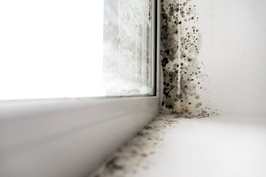
Moisture prevention is a vital advantage of vapour control layers (VCLs) in building envelopes. These layers serve as effective barriers, preventing moist indoor air from reaching cooler surfaces where condensation can occur, particularly when positioned on the warm side of insulation. A Vapour Control Layer (VCL) is essential for maintaining roof integrity and longevity, and proper installation ensures these benefits are maximized. VCLs expertly regulate the movement of water vapour, stopping humidity from migrating into colder cavities, and thus minimising internal moisture accumulation. They also provide protection against external moisture through additional barriers, safeguarding the structure from water ingress. By blocking moisture, VCLs play a significant role in averting mould growth, wood rot, and damage to insulation and building materials. This helps maintain the building’s structural integrity and ensures optimal thermal performance.
Energy Efficiency Boost
By controlling moisture movement, vapour control layers play a crucial role in maintaining stable indoor temperatures and enhancing overall energy efficiency. They prevent moisture from damaging insulation and reduce unwanted air leaks that can lead to heat loss or gain. This minimises the strain on heating and cooling systems, which in turn lowers energy bills. In colder climates, dry insulation helps prevent frost build-up, while in warmer climates, managing humidity reduces the need for air conditioning. Properly installed vapour control layers preserve the thermal value of insulation over time, contributing to long-term savings.
To illustrate the benefits:
Benefit |
How It Works |
Impact |
| Reduced energy use | Maintains insulation and airtightness | Saves on heating and cooling costs |
| Enhanced insulation performance | Keeps insulation dry and effective | Lowers energy requirements |
| Improved comfort | Stabilises indoor temperature | Ensures a more consistent indoor environment |
Incorporating vapour control layers into your building design can significantly enhance energy efficiency, leading to a more comfortable living space and reduced energy expenses.
Structural Integrity Support
Vapour control layers (VCLs) play a crucial role in maintaining the structural integrity of building envelopes by acting as barriers that restrict moisture ingress into essential components. VCLs are typically classified as Class I or II according to ASTM E96, indicating their permeability levels. By preventing moisture from penetrating walls and roofs, VCLs help mitigate dampness, wood rot, metal corrosion, and material decay, all of which can compromise structural strength. They also safeguard against the growth of mould and mildew, which can further damage building elements and pose health hazards. In timber frame constructions, the significance of VCLs is amplified, as they help prevent prolonged moisture exposure that can weaken wood. Additionally, VCLs keep insulation dry, ensuring that it retains its supportive function and avoids sagging or collapse. When installed correctly, vapour control layers enhance the overall stability of a building, prolonging its lifespan and reducing the likelihood of costly repairs in the future. Their role in preserving the integrity of building materials can't be overstated, making them an essential consideration in any construction project.
Typical Applications in Residential and Commercial Projects
Polythene vapour control layers are extensively utilised in both residential and commercial construction projects across the UK to manage moisture and air leakage effectively. These layers are installed within wall, roof, and floor insulation systems, playing a crucial role in preventing moisture accumulation and enhancing energy efficiency. For optimal performance and long-term durability of the building envelope, it's imperative that these vapour control layers are installed and sealed correctly. Attention to detail during the installation process is essential to ensure that the building remains protected against dampness and energy loss, ultimately contributing to a more sustainable and comfortable environment. Moreover, adhering to recommended sealing techniques and overlaps ensures that the vapour control layer functions as an effective barrier against unwanted moisture ingress and air permeation.
Wall and Roof Installation
Wall and roof installations of polythene vapour control layers (VCL) are vital components in establishing effective moisture management systems for both residential and commercial buildings.
These layers play a crucial role in regulating moisture and preventing condensation, which significantly contributes to the longevity of the structure.
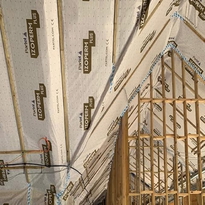
During the installation of walls, the VCL is positioned on the warm side of insulation, situated behind plasterboard.
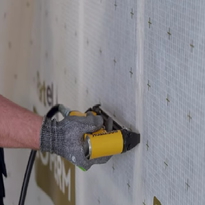
It's essential to ensure that overlaps are sealed with laps of at least 150mm. The VCL is securely fixed to timber studs and functions effectively alongside external breather membranes.
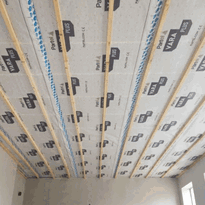
In roof installations, the membrane is placed beneath the insulation, spanning across rafters or joists, with careful attention to sealed overlaps and taped joints to guarantee airtightness.
This strategic placement is crucial to prevent moisture from infiltrating the insulation, thereby maintaining the integrity of the building.
Key considerations include:
Seamless sealing around penetrations
Integration of membranes with other layers
Tight fixation to structural elements
VCL functions effectively alongside external breather membranes to ensure comprehensive moisture control.
Floor Insulation Barriers
In flooring systems for both residential and commercial buildings, moisture control barriers are essential for maintaining durability and energy efficiency. Polythene vapour control layers (VCLs) provide robust moisture barriers beneath floors, effectively preventing ground moisture from rising and causing damage. These layers work harmoniously with various insulation materials, such as rigid foam boards or stone wool, to enhance thermal performance and minimise heat loss. VCLs are typically installed during the initial construction phase to ensure continuous moisture protection throughout the building's lifespan. For residential projects, VCLs are commonly used beneath concrete slabs, in radiant floor systems, and under suspended timber floors to avert condensation. In commercial applications, they're crucial for insulation beneath concrete slabs in warehouses and mixed-use buildings, ensuring compliance with moisture regulations. The thick polythene offers excellent puncture resistance, seals securely with tapes, and contributes to a long-lasting, efficient flooring system.
Airtightness and Moisture Control
Achieving effective airtightness and moisture control is essential for enhancing building performance in both residential and commercial projects. The 500 Gauge Polythene Vapour Control Layer serves as a dependable barrier against air leaks, helping to prevent unwanted heat loss. This, in turn, reduces energy costs by maintaining a consistent indoor temperature and improving air quality. The product meets rigorous standards such as BS EN 13984 and is CE marked, ensuring its compliance and reliability in construction applications. Proper installation with a two-tape sealing system or high-quality butyl tapes ensures a continuous, airtight seal. Its translucent green tint allows for precise placement, avoiding gaps and ensuring comprehensive coverage. Additionally, it forms a robust vapour barrier that prevents moisture ingress, thereby reducing the risk of condensation, dampness, and mould. Ensuring proper sealing and correct orientation maximises the layer’s effectiveness in controlling air and moisture movement.
Visualise seamless airtight seals in timber frame walls, roof constructions, and beneath floors.
Imagine a building that remains warm and energy-efficient throughout the year.
Picture a structure safeguarded from moisture damage, ensuring longevity and comfort.
Proper Installation Techniques and Best Practices
Proper installation of the vapour control layer (VCL) is crucial for ensuring its effectiveness and longevity. Firstly, the surface must be clean, dry, and devoid of dust or debris. Accurate measurements are essential to prevent unnecessary waste, and the VCL should be cut with sufficient overlaps at edges and joints for seamless coverage. All surfaces need to be checked for moisture or damage prior to installation, and any sharp objects should be removed.
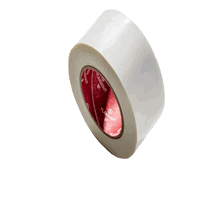
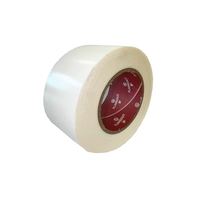
Specialised tapes, such as double-sided butyl or foil tape, should be used to seal overlaps securely, ensuring that consistent pressure is applied during the process. It is important to minimise penetrations; however, if they are necessary, any gaps must be sealed tightly with appropriate tapes or grommets. Rolls should be handled with care to avoid damage, and it is advisable to verify the VCL’s certification to ensure compliance with relevant standards.
By adhering to these best practices, the vapour control layer will perform effectively, providing long-lasting moisture protection.
Step |
Key Point |
Tip |
| Surface Preparation | Clean, dry, and free of debris | Use a damp cloth for effective dust removal |
| Overlaps and Seals | Ensure adequate overlaps, sealed securely | Apply firm pressure on tapes |
| Penetrations | Seal tightly with specialised tapes | Avoid unnecessary holes |
| Handling | Handle with care to prevent damage | Unroll progressively and secure rolls |
Physical Characteristics and Packaging Details
The physical characteristics and packaging details of the polythene vapour control layer (VCL) are tailored to ensure ease of handling, effective performance, and compliance with standards. This layer is manufactured from virgin grade blown polythene, providing exceptional durability and reliability.
The rolls are designed to meet standard installation requirements, simplifying the handling process. The translucent green tint not only adds a visual appeal but also aids in verifying correct placement during installation.
The heavy-duty packaging ensures that the product is well-protected during transport and storage, whether shipped individually or in bulk across mainland UK. Each package is designed for convenient on-site handling and includes options such as DIY kits, complete with tapes and sealants, to offer a comprehensive and reliable vapour barrier solution.
Handling and Storage Considerations on Site
Handling and storage of polythene vapour control layers (VCLs) require careful attention to ensure their performance is preserved and damage is prevented. Vapour control layers, such as 500 gauge polythene, are delicate and prone to punctures and tears.
Rolls should be stored flat on dry surfaces and kept in their original packaging until just before installation. It is advisable to handle them with clean gloves and non-abrasive tools. For larger rolls, mechanical aids are recommended to avoid deformation.
Storage should be elevated on pallets, away from the ground, and protected from direct sunlight and extreme heat. It is essential to keep them away from sharp objects and chemicals. Maintaining a clean and stable environment is crucial for the material’s integrity.
Below is a summary of key handling and storage practices for easy reference:
Handling |
Storage |
Precautions |
| Use gloves and appropriate tools | Store horizontally on pallets | Keep away from UV light, heat, and chemicals |
| Minimise manual handling | Ensure rolls are off the ground | Protect from punctures and tears |
| Repair damaged sections promptly | Store in a cool, dry environment | Limit exposure to weather elements |
Maintaining Performance and Ensuring Durability
Maintaining the performance and durability of polythene vapour control layers relies on both the quality of the materials utilised and the methods employed during installation and throughout the service life. Proper installation practices, such as securely sealing joints and preventing damage, are vital to preserving the layer’s integrity.
Virgin grade polythene provides resistance to chemical degradation and UV damage when adequately protected within the building environment. Ensuring that fixings are corrosion-resistant is essential for maintaining a secure attachment over time.
A well-sealed, correctly installed vapour control layer (VCL) serves as a reliable barrier against moisture and air leaks, thereby supporting long-term building performance.
Visual confirmation of proper installation is facilitated by the translucent green tint, which allows for easy inspection. This meticulous attention to quality and careful handling ensures the VCL effectively protects insulation, reduces costs, and contributes to a durable, energy-efficient building envelope.
Imagine a membrane seamlessly sealing each joint, acting as a tight, invisible shield against potential breaches. Visualise installers diligently sealing penetrations to thwart any leaks.
Picture a resilient layer standing strong against tears and punctures, enduring the test of time and environmental challenges.
Conclusion
In summary, 500 gauge polythene vapour control layers are vital for the protection of buildings. They adhere to stringent industry standards, ensuring robust performance across a variety of applications. Proper installation is crucial to guarantee their durability.
Handling and storage are key considerations for maintaining quality, while a thorough understanding of their features is essential for achieving effective building envelopes. These layers serve as reliable moisture barriers, significantly contributing to the longevity and energy efficiency of both residential and commercial structures.
Incorporating a high-quality vapour control layer can enhance the overall integrity of construction projects, providing peace of mind for builders and homeowners alike.