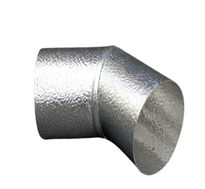
Aluminium Cladding for Pipe Insulation
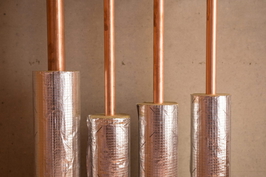
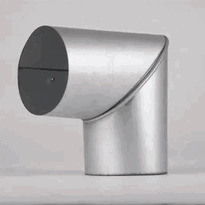
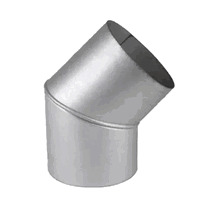
Aluminium cladding for pipe insulation offers a durable and lightweight protective layer that safeguards pipes from environmental damage, corrosion, and mechanical wear. It also enhances thermal efficiency by reflecting heat and preventing heat loss or gain. This cladding is available in various formats, including plain, embossed, corrugated, and perforated, each suitable for specific outdoor or humid environments.
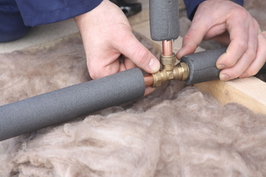
Proper installation is essential to maximize performance. It involves fitting the aluminium cladding securely around the insulation, ensuring tight laps and sealed joints to prevent moisture ingress and air leaks. Regular maintenance, such as inspecting for damage and resealing joints when necessary, extends the lifespan of the cladding and maintains optimal insulation performance.
Choosing the appropriate type of aluminium cladding and applying correct installation techniques are vital for ensuring long-term system reliability. Well-installed cladding not only protects the integrity of the pipe insulation but also optimizes thermal transfer, contributing to energy efficiency and system durability in various UK climates.
Benefits and Key Features of Aluminium Cladding
Aluminium cladding offers a range of important benefits and key features that enhance the performance and durability of pipe insulation systems.
It provides effective protection against environmental factors such as UV rays, weather conditions, moisture, salt, and airborne particles, which can cause deterioration of insulation and pipe materials over time. Its robust construction ensures a long service life, typically between 15 and 20 years, while its resistance to physical damage, corrosion, and mechanical wear helps minimize maintenance and replacement costs. Aluminium cladding is also highly customizable, allowing for various finishes and patterns to match aesthetic requirements.
Aluminium reflects thermal radiation, contributing to reduced heat loss and leading to energy savings and improved system efficiency. Its reflective property plays a vital role in thermal performance by bouncing heat waves away from the insulated surface.
Its lightweight yet sturdy design allows for quick, seamless installation and results in a clean, modern appearance.
Additionally, aluminium cladding is highly recyclable, supporting sustainable and environmentally responsible practices. These core features collectively enhance system reliability, operational efficiency, and ecological impact, making aluminium cladding an excellent choice for pipe insulation applications across the UK.
Types and Applications of Aluminium Cladding in Pipe Insulation
Different types of aluminium cladding are selected based on specific performance requirements and environmental conditions encountered in pipe insulation applications. Each type offers unique advantages suited for various settings.
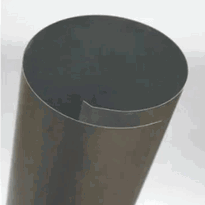
Plain aluminium cladding is ideal for general industrial environments, providing excellent corrosion resistance and a clean, smooth appearance. It's widely used where durability and a neat finish are priorities. Made from corrosion-resistant aluminium alloys, this type often features a straightforward design that facilitates easy installation and maintenance.
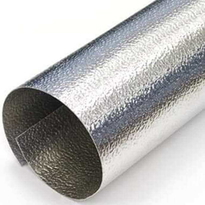
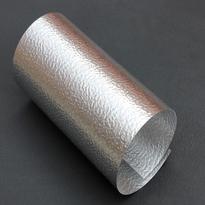
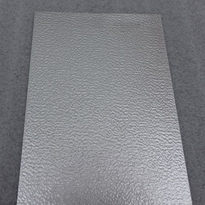
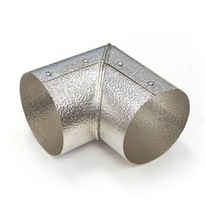
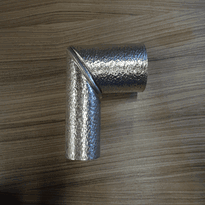
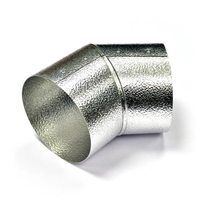
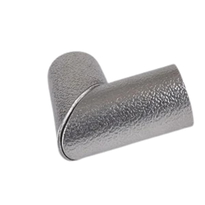
Stucco embossed cladding features a textured surface that helps conceal surface imperfections. This type is often preferred in architectural settings or where aesthetic considerations are important, adding a decorative element to the insulation covering. The textured finish also helps improve the cladding’s grip when attached to insulation materials, enhancing durability.
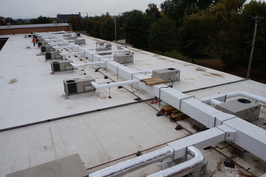
Corrugated aluminium cladding enhances structural strength and impact resistance through its ribbed profile. It’s suitable for outdoor applications or areas subject to physical stress, offering long-lasting performance even in rugged conditions. The corrugated design contributes to better load distribution, reducing the risk of damage over time.
Perforated aluminium cladding includes numerous small holes that facilitate ventilation and moisture control. This type is beneficial in humid environments or settings where managing condensation and maintaining airflow is critical, thereby protecting insulation and extending its lifespan. The perforations also allow for the integration of sensors or other systems where airflow or drainage is needed, adding to its functional versatility.
Understanding these options enables engineers and contractors to select the most appropriate cladding for applications demanding durability, visual appeal, or environmental protection. Proper choice ensures optimal insulation performance and longevity across diverse industrial, commercial, or architectural projects.
Installation Tips and Maintenance for Longevity
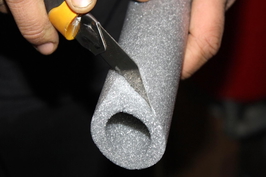
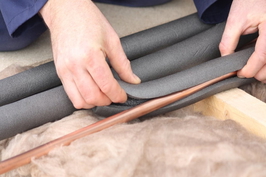
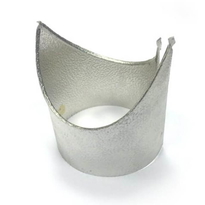
Proper installation of aluminium cladding on pipe insulation requires meticulous preparation to ensure optimal performance and longevity. Firstly, verify that the insulation is correctly sized and securely fitted around the pipe, providing a stable foundation. Refer to size charts to determine the correct jacketing dimensions and selection. Select aluminium jacketing that matches the pipe's diameter and insulation thickness for a precise fit. Gather essential tools, such as tape measures, markers, and fabric straps, while preparing the worksite by clearing the area to facilitate smooth installation. Safety gear, including gloves and safety glasses, must be worn to prevent injury. Accurate measurements are vital when cutting the jacketing to ensure a snug fit with minimal wastage. Secure the cladding using straps at approximately every 30 centimeters, and lap the sections properly to prevent water ingress. Seal joints with silicone caulking or suitable sealing products to maintain moisture resistance and protection against the elements. Proper sealing techniques further improve the insulation system's durability. Regular inspections and timely repairs further extend the durability of the aluminium cladding. Ensuring these practices are followed will help maximize the lifespan and effectiveness of your pipe insulation system.
Conclusion
Aluminium cladding provides a durable and cost-effective solution for pipe insulation, delivering excellent thermal resistance and protection against corrosion. Selecting the appropriate aluminium cladding, alongside proper installation and ongoing maintenance, is crucial to optimize its performance and extend its lifespan. By understanding the various types available and correct application techniques, users can ensure effective insulation that reduces energy loss and helps prevent equipment damage. Adhering to recommended practices guarantees that aluminium cladding maintains its integrity and efficiency over time, supporting reliable and long-lasting pipe insulation systems across industrial and commercial settings in the UK.