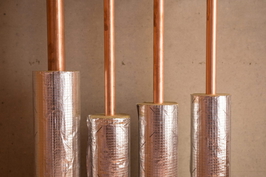
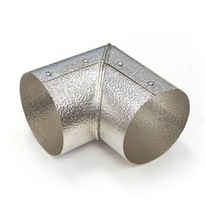
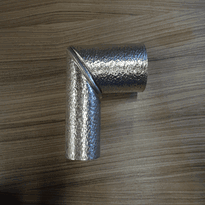
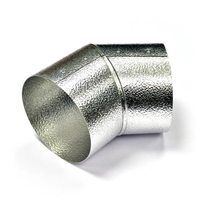
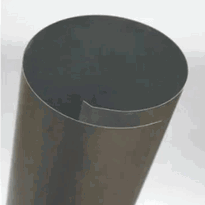
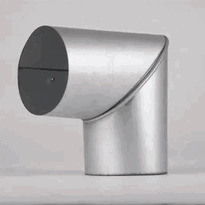
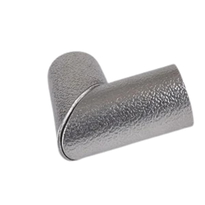
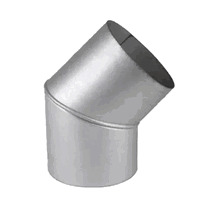
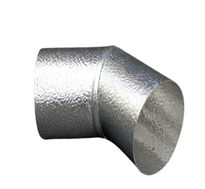
Aluminium Cladding Pipe
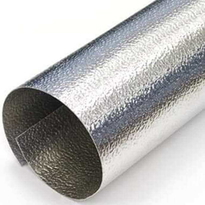
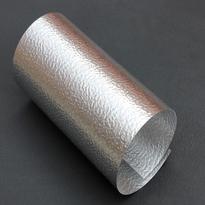
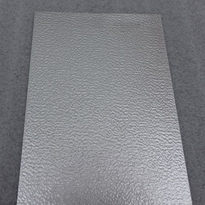
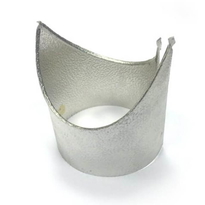
Aluminium cladding pipes utilize specific alloy types, primarily from the 1000 and 3000 series, recognized for their excellent corrosion resistance, durability, and ease of fabrication. These claddings typically have thicknesses ranging from 0.4mm to 1.5mm, with widths reaching up to 1219mm, and are supplied in coils or sheets. Surface treatments include mill finish, anodizing, or powder coating, tailored to meet various environmental conditions.
Proper installation is essential to maximize performance. This involves precise measurement, ensuring secure overlaps, and effective sealing techniques. Such careful procedures enhance the system’s resilience and long-term durability. Further detailed steps focus on how these measures optimize functionality, providing reliable and long-lasting cladding solutions suitable for a variety of applications in the UK.
Types of Aluminium Alloys Suitable for Pipe Cladding
Different types of aluminium alloys are chosen for pipe cladding based on their specific properties, application requirements, and environmental conditions.
The 1000 series alloys, such as 1100 and 1060, are composed of nearly pure aluminium, offering high corrosion resistance and ease of shaping. These qualities make them suitable for applications such as chemical plants, general water pipes, and architectural features where low strength is is sufficient. These alloys also have excellent thermal conductivity, making them effective for heat transfer in piping systems. Additionally, they typically have a smooth surface finish that enhances their aesthetic appeal.
The 3000 series alloys, including 3003 and 3105, incorporate manganese, which enhances both strength and fire resistance. These properties make them ideal for heating pipes, steam lines, and food processing environments, thanks to their excellent corrosion resistance and good formability. The use of manganese in these alloys provides a balance of strength and corrosion protection suited to demanding conditions.
Key Dimensions and Thickness Options for Cladding Applications
Key dimensions and thickness options for aluminium cladding are carefully engineered to suit a broad spectrum of project requirements while maintaining optimal performance. These options include various aluminium alloy types, such as 1050 and 3003, each chosen for specific characteristics like corrosion resistance or mechanical strength. Manufactured from alloys 1060, 3003, 3105, 5005 conforming to ASTM B-209, ensuring high quality and compliance with industry standards. Thicknesses typically range from 0.4mm to 1.5mm, allowing for adaptation to different insulation, weather protection, and structural needs. Standard thicknesses often include 0.5mm, 0.6mm, and 1.0mm, providing flexibility for diverse applications. These thickness options contribute to the overall durability and weather resistance of the cladding system. Inner diameters generally start around 305mm, supporting various installation configurations. Widths are commonly available in measures such as 914mm, 1000mm, and 1219mm, catering to different façade and cladding designs. Lengths are supplied in coils measuring 30 meters or 50 meters, with options for customized lengths based on project specifics. These detailed specifications ensure aluminium cladding systems can meet precise technical demands and align with industry standards across the UK. This comprehensive range of dimensions and thicknesses guarantees that aluminium cladding solutions are adaptable, durable, and suitable for a wide array of building façades and architectural requirements.
Benefits of Using Aluminium Cladding on Pipes
Aluminium cladding on pipes provides excellent corrosion resistance, which significantly enhances the durability and dependability of piping systems. It acts as a protective barrier, preventing moisture and water ingress into insulation layers, thereby reducing the risk of rust and material degradation over time. Aluminium's corrosion resistance is further improved by applying protective anodizing coatings, which extend the lifespan of the cladding. The chemical resistance of aluminium further shields pipes against various atmospheric and environmental elements. Certain alloys, such as 5086 aluminium, are particularly effective at resisting saltwater corrosion, making them well-suited for marine applications and coastal environments. The lightweight yet strong nature of aluminium cladding simplifies installation and reduces handling difficulty, leading to decreased labor costs. Moreover, aluminium's low-maintenance qualities minimize ongoing upkeep requirements, contributing to lower lifecycle costs. Its re
Surface Finishes and Coating Choices for Pipe Cladding
Surface finishes and coating options for pipe cladding are vital considerations that directly influence the performance, durability, and aesthetic appeal of the final product. Different finishes serve specific functions, such as providing corrosion resistance, enhancing surface strength, or offering decorative appeal. The choice depends on environmental conditions, maintenance requirements, and visual preferences.
For example, a mill finish offers a cost-effective and straightforward solution, suitable for general use. Powder coating provides a durable and UV-resistant color finish, ideal for decorative and protective surfaces. Anodizing forms a corrosion-resistant oxide layer, significantly increasing the longevity of the pipe when used in exposed environments.
The table below highlights common surface finishes and their primary benefits:
Finish Type |
Benefits |
Typical Application |
| Mill Finish | Cost-effective, simple, quick application | General use |
| Anodising | Corrosion resistance, improved surface hardness, aesthetics | External cladding, coastal environments |
| Powder Coating | High durability, UV and weather resistance, vibrant colours | Decorative, protective surfaces |
Selecting the appropriate surface finish depends on the specific environmental exposure, the required lifespan, and aesthetic preferences. Proper choice optimizes performance and helps ensure long-term satisfaction with the pipe cladding system whilst maintaining cost efficiency and visual appeal. Additionally, considering environmentally resistant coatings can further enhance longevity in challenging conditions.
Best Practices for Measuring and Installing Aluminium Pipe Cladding
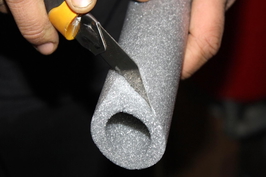
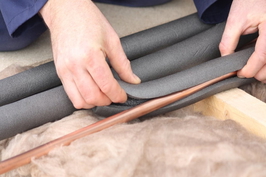
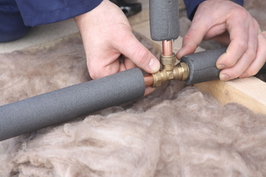
Accurate measurement and careful planning are essential steps in ensuring the effective installation of aluminium pipe cladding. Precise measurements of the pipework are vital to determine the correct lengths and overlaps, with a typical allowance of 25-30cm for complete coverage. Proper measurement techniques help prevent material wastage and installation errors. Selecting appropriate aluminium cladding types based on environmental conditions helps prevent potential issues in the future. Carefully planned overlaps provide secure installation and protection against moisture ingress. Proper surface preparation—including cleaning, drying, and inspecting for damage—enhances adhesion and reduces the risk of warping or deformation during installation. Using quality tools such as rivets, foil tapes, and plastic spatulas assists in securing fastenings and sealing seams effectively. To maximize longevity, all seams should be sealed thoroughly, overlaps secured at regular intervals, and regular inspections carried out to maintain the cladding’s integrity. Planning meticulously ensures a professional finish and reliable performance over time. Effective sealing and securing of seams are crucial in preventing water ingress and enhancing durability.
Conclusion
Selecting the appropriate aluminium alloy, dimensions, and surface finish is essential for effective pipe cladding. Adhering to precise measurement and installation procedures ensures maximum performance, durability, and corrosion resistance. Careful consideration of coating options and installation practices enhances lifespan and reduces maintenance requirements.
Implementing these guidelines accurately improves safety and efficiency across various industrial and architectural applications. Aluminium cladding provides a reliable solution for protecting pipes, offering long-lasting protection in diverse environments.