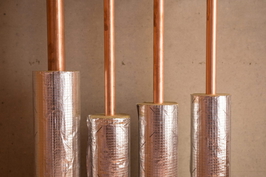
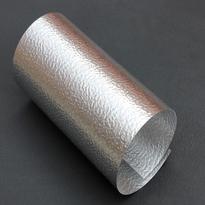
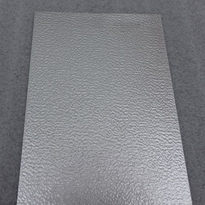
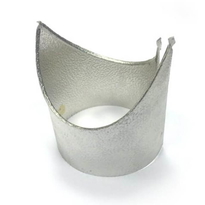
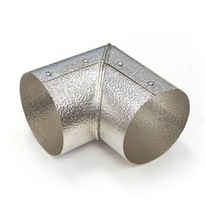
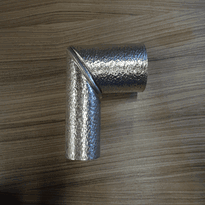
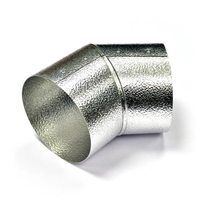
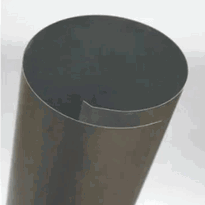
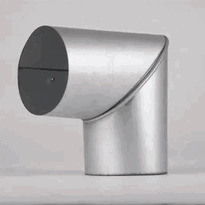
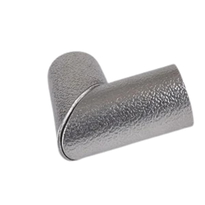
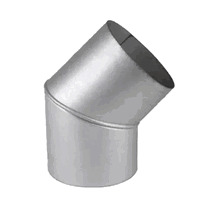
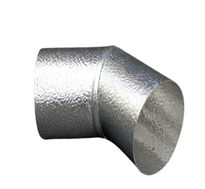
Aluzinc Pipe Cladding
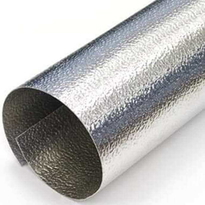
Aluzinc pipe cladding features a steel core coated with an alloy that contains approximately 55% aluminium, 43.4% zinc, and 1.6% silicon. This coating is applied through a hot-dipping process, which ensures a durable and uniform layer across the pipe surface.
This composition provides excellent corrosion resistance, greatly extending the lifespan of pipes in demanding environments such as marine or industrial settings. Additionally, Aluzinc-coated pipes are known for their high strength and environmental benefits, including recyclability.
Understanding the manufacturing process and inherent advantages of Aluzinc pipe cladding helps explain why it is a preferred choice for durable, long-lasting piping solutions across various applications in the UK.
Material Composition and Manufacturing Process of Aluzinc Cladding
The material composition and manufacturing process of Aluzinc cladding are carefully designed to produce a highly durable product with excellent corrosion resistance and consistent quality. Its coating primarily consists of an alloy comprising 55% aluminium, 43.4% zinc, and 1.6% silicon. This specific alloy formulation offers superior corrosion resistance—up to six times greater than traditional galvanized steel—and is applied through a hot-dipping process. The coating also provides a fingerprint-free surface that reinforces protection and functions as a dry lubricant. This method ensures a uniform and robust layer is formed on carbon steel sheets, providing enhanced protection and longevity. During manufacturing, precise control of the process is essential to achieve the correct alloy composition and coating thickness, both of which are critical to the performance of the cladding. Additionally, maintaining the manufacturing standards guarantees consistent quality and durability of the final product.
The raw material begins as carbon steel before undergoing coating, surface treatment, and rigorous quality checks. These steps ensure the final product meets exacting standards suitable for demanding applications, such as construction, roofing, and industrial piping.
Benefits and Environmental Advantages of Using Aluzinc Pipe Cladding
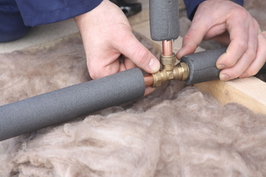
The superior material properties and manufacturing processes of Aluzinc pipe cladding offer a range of notable benefits and environmental advantages, making it an excellent choice in construction and industrial settings across the UK. Its corrosion resistance, achieved through a combination of zinc and aluminium coatings, provides long-term protection against environmental factors such as moisture, saltwater, and chemicals. This durability enhances the lifespan of pipes, reducing the need for frequent replacements. Aluzinc’s outstanding corrosion resistance; moreover, its high strength-to-weight ratio allows for lighter construction, which can contribute to reduced transportation emissions and fewer structural support requirements.
The high hardness of the material grants excellent abrasion resistance, which is especially beneficial in harsh or demanding conditions. Furthermore, Aluzinc’s ability to maintain thermal efficiency helps in reducing energy consumption by limiting heat transfer, aligning with sustainable and energy-efficient practices. Its compatibility with metal building supplies ensures seamless integration for various construction needs, enhancing overall project efficiency.
In addition, its toughness and resilience minimize waste by extending the service life of piping systems.
The recyclable nature of steel, aluminium, and zinc components further supports resource efficiency and sustainability efforts in construction projects. Overall, Aluzinc pipe cladding combines exceptional technical performance with environmental benefits, offering a sustainable and cost-effective solution for UK builders and industrial users.
Common Applications and Performance Comparison With Alternative Materials
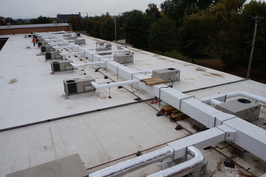
Aluzinc pipe cladding is widely utilized across numerous industries owing to its exceptional resistance to corrosion and durability. It's frequently employed within the oil and gas sector for both offshore and onshore pipelines, where exposure to challenging marine conditions demands reliable materials. The chemical and petrochemical industries also depend on Aluzinc to safeguard pipelines transporting corrosive substances. Similarly, the mining industry benefits from its robustness against abrasive materials, while water and wastewater management facilities utilize it for corrosion-resistant pipeline systems. When compared to galvanized steel, Aluzinc offers superior corrosion resistance and an extended lifespan in high-humidity environments, despite its higher initial cost. Although stainless steel provides an even greater degree of corrosion resistance, it's more expensive and often deemed unnecessary. Other materials such as polymers, ceramics, and aluminium serve specific niche applications. However, it has better weather resistance than Aluzinc, making it the preferred choice for demanding applications in the UK. Aluzinc's ability to withstand extreme environments further solidifies its position as a reliable cladding material.
Conclusion
Aluzinc pipe cladding combines zinc, aluminium, and trace elements through a controlled manufacturing process, resulting in a material recognized for its durability and corrosion resistance. Its environmental benefits include recyclability and energy-efficient production. Commonly utilized in roofing, wall panels, and industrial applications, it often outperforms alternative materials in lifespan and maintenance requirements. Understanding these factors enables informed decisions regarding its selection, ensuring optimal performance and sustainability in construction projects.