Buy Vapour Control Layer
When considering the purchase of a vapour control layer (VCL), it is essential to take into account several key factors including material type, thickness, and permeability (Sd-value). Ensuring that the VCL adheres to fire safety standards and suits the specific requirements of your building is vital.
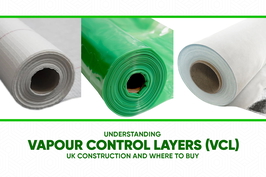
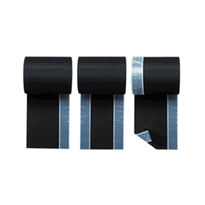
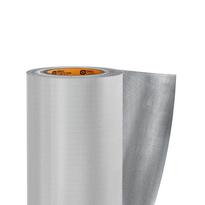
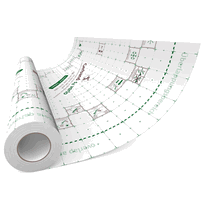
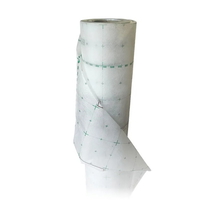
Available options typically include plastic sheets, foil-reinforced membranes, and breathable films, each designed for various environments and applications.
Proper installation and sealing of the vapour control layer are crucial for its effectiveness. It is advisable to consult reputable suppliers and comprehensive guides to help you select the right VCL for your project and to gain insights into correct installation techniques.
Taking these considerations into account will ensure a successful installation that meets both safety and performance standards.
Understanding the Purpose of Vapour Control Layers
A vapour control layer (VCL) is an essential element in building construction, specifically designed to manage moisture movement within walls, roofs, and floors. Its primary function is to serve as a barrier that prevents moisture in the form of water vapour from penetrating insulation and other building materials. VCLs are crucial in regions with high humidity or significant temperature variations. This layer effectively controls vapour diffusion from warm, humid indoor air towards cooler external surfaces, thus minimising the risk of condensation forming inside walls or roof spaces.
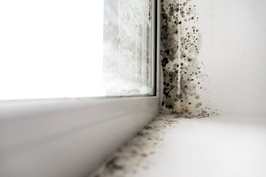
Typically positioned on the warm side of insulation, the VCL plays a vital role in supporting the longevity of a building by preventing issues such as rot, mould growth, and structural damage caused by excess moisture. Furthermore, it contributes to improved energy efficiency by maintaining the performance of insulation and reducing heat loss that can occur due to moisture accumulation.
Key Factors to Consider When Choosing a VCL
Choosing the appropriate vapour control layer (VCL) necessitates thoughtful consideration of various essential factors to ensure effective and safe performance.
Fire performance and safety are of paramount importance; in high-risk buildings, VCLs must meet stringent fire classifications such as B-s3, d0, or higher, in accordance with established standards.
It's equally crucial for VCLs to correspond with the specific use and structure of the building to avert safety hazards or issues of non-compliance.
Moreover, VCLs should align with site-specific condensation risk assessments and be positioned correctly, typically on the warm side of the insulation.
Proper installation is vital, with careful sealing of joints to prevent moisture ingress, mould growth, or structural damage.
Lastly, it's important to choose a VCL that's suitable for the local climate, ensuring it can efficiently manage vapour movement and moisture control, thereby supporting the long-term health of the building.
Different Types of Vapour Control Membranes
Different types of vapour control membranes play crucial roles in building construction, assisting in the management of moisture and the prevention of damage. Vapour Control Membranes (VCLs) are typically composed of plastic or foil, specifically designed to minimise the movement of warm, moist air from within the building. These membranes are usually installed on the warm side of insulation, effectively obstructing moisture from infiltrating the building fabric, which can lead to mould growth and structural decay. Variable Surface Diffusion (VSD) membranes are a sophisticated option, as they adjust the vapour movement according to internal conditions, thereby helping to maintain a dry environment throughout the year. In contrast, fixed diffusion layers provide consistent resistance, functioning as reliable moisture barriers without the ability to adapt to varying climatic conditions. For situations requiring maximum protection, thick vapour barriers and structural vapour retarders are ideal, particularly in extreme environments. Additionally, air permeable membranes allow vapour to escape, thereby reducing the risk of condensation. Film laminates are another option, offering enhanced water resistance. The effectiveness of vapour control membranes depends on proper installation and compatibility with other building materials, which is crucial for ensuring long-term performance.
How to Properly Install a Vapour Control Layer
Proper installation of a vapour control layer begins with thorough preparation.
Firstly, inspectors should check the structure for any damage, dirt, or moisture, ensuring the surface is clean and dry to promote good adhesion. A vapour control layer functions effectively only when applied to a stable and uncontaminated surface.
Precise measurements are essential to cut the layer with sufficient overlap, creating a continuous barrier.
It's crucial to gather all necessary materials, such as the vapour control layer, adhesive, and sealing tapes, prior to commencing the installation.
Cut the layer with allowance for overlaps to ensure a seamless barrier.
Utilise adhesive or double-sided tape for secure, wrinkle-free placement.
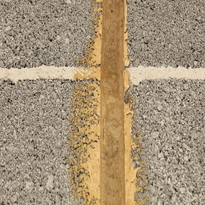
Seal edges and overlaps thoroughly with recommended tapes to prevent leaks.
Inspect for any gaps or bubbles, resealing immediately to avert vapour ingress.
This meticulous process guarantees a tight and effective vapour barrier that endures over time.
Materials and Thickness Options for VCLs
Various materials are utilised for vapour control layers (VCLs), including polyethylene sheets, vapour control membranes, and aluminium foil, each presenting distinct benefits. The selection of material depends on the specific needs of the construction project. The thickness options range from very thin polyethylene sheets to thicker rigid foam layers, impacting their vapour resistance levels significantly. Understanding these material types, their properties, and the available thicknesses is crucial for selecting the appropriate VCL for specific building requirements. This knowledge ensures that the chosen vapour control layer effectively manages moisture and contributes to the overall performance and longevity of the structure.
Common Material Types
Vapour control layers (VCLs) are vital elements in building construction, playing a crucial role in preventing moisture from infiltrating walls and ceilings. The most common types of materials employed include polyethylene sheets, high-performance polymer membranes, oriented strand board (OSB), and metal or foil-based layers.
Polyethylene sheets are a popular choice due to their affordability and ease of installation, making them suitable for both residential and commercial properties. High-performance membranes are tailored for more demanding environments, providing adjustable permeability and superior moisture control, though they tend to come at a higher price point.
OSB panels offer a combination of durability and structural support while serving as effective vapour barriers. It's important to ensure these panels are tested for airtightness to maximise their effectiveness.
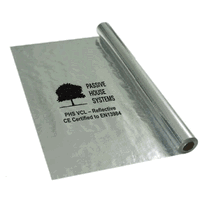
Metal and foil-based layers boast high resistance and reflectivity, often utilised in roofing systems to enhance thermal performance and provide additional vapour protection.
In summary, the key materials for vapour control layers include:
Polyethylene sheets for affordability and ease of use
High-performance membranes for challenging conditions
OSB panels that merge strength with vapour resistance
Metal and foil layers for enhanced vapour management
These materials play a significant role in ensuring the integrity and longevity of building structures by effectively managing moisture levels.
Thickness and Permeability Range
Vapour Control Layers (VCLs) are available in a diverse range of thicknesses and permeability levels, which significantly affect their performance and suitability for various building conditions. Thinner layers, typically around 0.125 mm, offer flexibility and ease of handling, although they require meticulous installation to ensure effectiveness. Thicker options, such as those measuring 0.3 mm or more, provide enhanced durability and mechanical strength, making them ideal for challenging environments.
The choice of material also influences permeability, which is gauged by Sd-values, determining the moisture resistance of the layer. For instance, foil-reinforced VCLs exhibit high resistance to moisture, while thinner polyethylene films strike a balance between breathability and protection.
Thickness |
Material Example |
Permeability Range |
| 0.125 mm | Basic Polyethylene | >20 m to 100 m |
| 0.2 mm | Kalzip VCL | 0.4 m to 60 m |
| 0.3 mm | Reinforced Polyethylene | >100 m |
Understanding the various thicknesses and permeability levels of VCLs is crucial for selecting the right product to meet specific building requirements and ensure optimal performance in moisture management.
Specialized VCL Product Features
Materials used in vapour control layers vary widely to meet the diverse needs of building projects.
Polyethylene sheets are commonly employed due to their affordability and effectiveness as moisture barriers.
Nonwoven spunbond fabrics made from polypropylene and polyolefin provide durable options that are UV-treated and flame-resistant.
Metallised polyester films, when bonded to plasterboard, create integrated vapour control layers with enhanced vapour resistance.
Additionally, rigid foam, aluminium, and stainless steel sheets serve as structural vapour retarders, offering excellent moisture resistance.
Polyethylene sheets: affordable and effective moisture barriers.
Nonwoven fabrics: durable, UV-treated, flame-resistant.
Metallised films: integrated with plasterboard for added vapour resistance.
Rigid metal or plastic sheets: structural layers that resist moisture flow.
These specialised features assist building professionals in selecting the appropriate vapour control layer for their specific project requirements, ensuring durability and safety.
Benefits of Using a Vapour Control Layer in Building Projects
Utilising a vapour control layer in building projects is essential for preventing moisture ingress in walls and roofs, which can lead to significant damage over time. This layer plays a crucial role in enhancing the longevity of the structure by mitigating problems such as mould, rot, and corrosion.
Consequently, buildings are able to endure for a longer period, preserving their integrity while reducing the need for maintenance and repairs.
Incorporating a vapour control layer not only safeguards the structural components but also contributes to a healthier indoor environment by minimising dampness. This approach is particularly relevant in the UK, where varying weather conditions can exacerbate moisture-related issues.
By prioritising the use of a vapour control layer in construction, builders can ensure that their projects are robust and sustainable, ultimately leading to enhanced performance and reduced lifecycle costs.
The benefits are clear: improved durability, reduced maintenance, and a more resilient building overall.
Moisture Prevention Benefits
Moisture prevention is a crucial advantage of integrating vapour control layers into building projects. These layers act as effective barriers that prevent water vapour from infiltrating walls and roof spaces. By blocking moist air, vapour control layers help to avert condensation within walls and roof cavities, which can compromise the integrity of materials over time. This is essential for maintaining the structural integrity of the building. Moreover, they safeguard insulation from becoming damp, thereby preserving its thermal efficiency. When insulation remains dry, it functions more effectively, contributing to energy savings and reducing heating expenses.
In addition, controlling moisture is essential for limiting the growth of mould and mildew, which in turn fosters a healthier indoor environment.
Key benefits include:
Reducing condensation within walls and roofs
Protecting insulation from dampness and degradation
Preventing mould, mildew, and unpleasant odours
Maintaining consistent indoor comfort and air quality
Enhanced Building Durability
A vapour control layer (VCL) plays a crucial role in enhancing the durability of buildings by safeguarding key structural components from moisture-related damage. It effectively prevents condensation that can lead to wood rot and metal corrosion, thereby extending the lifespan of the building’s materials.
VCLs help maintain insulation in a dry state, averting deterioration that could compromise the strength of walls and roofs over time. They also provide added support to roof membranes, particularly on flat roofs that are susceptible to moisture problems.
By minimising moisture accumulation, VCLs significantly reduce the risk of mould growth, which can be detrimental to materials and affect the overall health of the building.
Reinforced vapour barriers enhance resistance to tears and punctures, ensuring long-term performance even under stress. Overall, the incorporation of a VCL fortifies the building’s structure, ensuring it remains robust and reliable for many years to come.
Common Mistakes to Avoid When Purchasing VCLs
Choosing the right Vapour Control Layer (VCL) involves more than merely selecting a product; it necessitates careful consideration of common pitfalls that can compromise a building’s performance.
One common mistake is ignoring the Sd-value, which indicates moisture resistance. Selecting a product with an inappropriate Sd-value may lead to moisture build-up or drying issues.
Another error is poor installation, such as inadequate sealing or incomplete overlaps, which allows moisture to seep in.
Cost-driven substitution is also risky; opting for cheaper materials or skipping the VCL altogether can lead to significant damage to the structure over time.
Lastly, improper fixing methods, like puncturing the membrane with staples or screws, can compromise the integrity of the vapour barrier.
To avoid these mistakes, it's crucial to select suitable materials, ensure proper installation, and seek professional advice.
In summary, remember to:
Pay attention to the Sd-value and ensure material compatibility.
Ensure thorough sealing and proper overlaps during installation.
Avoid substituting with lower-quality or cheaper materials.
Use correct fixing techniques to maintain the membrane’s integrity.
Supporting Building Performance and Longevity With VCLS
Effective Vapour Control Layers (VCLs) play a vital role in enhancing both the performance and longevity of buildings. They regulate the movement of water vapour from the interior to the exterior, preventing condensation within walls and roofs that could lead to damage. By obstructing warm, humid air, VCLs help to avert issues such as rot and mould, which can compromise structural integrity over time.
Proper installation of VCLs on the warm side of insulation is crucial. This ensures that moisture doesn't become trapped, thereby maintaining the insulation’s effectiveness and prolonging its lifespan.
Moreover, VCLs contribute to energy efficiency by keeping insulation dry, which aids in stabilising indoor temperatures and reducing heating and cooling costs.
In addition to these benefits, VCLs support healthier indoor environments by minimising mould growth.
Conclusion
Choosing the right vapour control layer (VCL) is crucial for the durability and energy efficiency of buildings. A well-selected VCL helps to prevent moisture accumulation, which can lead to significant damage over time. By understanding the various types, materials, and installation methods available, builders can avoid common pitfalls and ensure optimal performance.
Selecting the appropriate vapour control layer can greatly enhance the long-term health of a structure, thereby reducing maintenance requirements. The right VCL not only protects against dampness but also contributes to a more efficient and sustainable building environment.
Investing in a quality vapour control layer is essential for creating safer and more energy-efficient buildings. The benefits extend beyond immediate performance, offering lasting advantages that support the overall integrity of the construction.