



Electric Heat Tape for Pipes
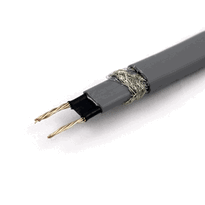
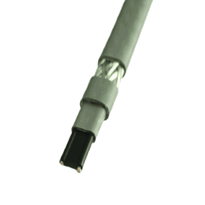
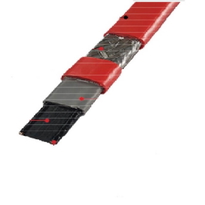
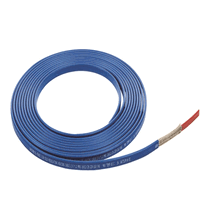
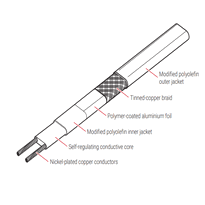
Electric heat tape for pipes is designed to prevent freezing by providing direct heat through various types, including self-regulating, constant-wattage, and non-regulating options. Self-regulating tapes adjust their output based on the surrounding temperature, enhancing safety and efficiency, while constant-wattage tapes deliver a steady level of heat regardless of environmental conditions.
Proper installation is vital for optimal performance and safety. This involves thoroughly cleaning the pipes beforehand, securing the tape at regular intervals as recommended by the manufacturer, and ensuring electrical safety through correct wiring and grounding. Regular inspection and maintenance can help prolong the lifespan of the heat tape and guarantee reliable operation.
Understanding the features and correct application of electric heat tape ensures maximum effectiveness. Comprehensive knowledge and proper handling enable users to protect their pipes effectively during colder months, providing peace of mind and safeguarding property.
Types and Functional Differences of Electric Heat Tape
Electric heat tapes come in various types, each designed to meet specific heating requirements depending on environmental conditions, pipe materials, and safety considerations. Understanding the differences can help ensure you select the most suitable option for your needs.
Self-Regulating Heat Tapes
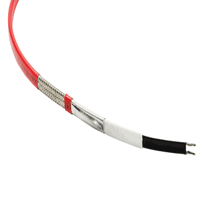
Self-regulating heat tapes adjust their heat output dynamically based on the ambient temperature. They increase heat generation when temperatures drop and decrease as they rise, making them highly energy-efficient. These tapes incorporate built-in thermostats and sensors that prevent overheating, contributing to safer operation. Self-regulating cables adapt to environmental changes, providing optimal heat while conserving energy.
They're particularly suitable for environments where temperatures fluctuate or for longer pipe runs, providing controlled and consistent protection against freezing.
Constant-Wattage Heat Tapes
Constant-wattage heat tapes deliver a continuous, steady amount of heat regardless of external conditions. They're often considered a lower initial investment compared to self-regulating types but can result in higher energy consumption when temperatures are milder.
These tapes are ideal for extremely cold climates or situations where pipes require constant, reliable heat, such as in industrial or controlled settings.
Non-Regulating Heat Tapes
Non-regulating heat tapes produce a fixed level of heat without any adjustment mechanism. They operate at a consistent temperature, which can pose risks of overheating and increased energy wastage if not carefully monitored.
These are primarily recommended for applications in consistently freezing environments where maintaining a set temperature is critical and environmental fluctuations are minimal.
Choosing the Right Heat Tape
The selection of an appropriate electric heat tape depends largely on local climate conditions, the material and length of the pipe, and safety considerations. Self-regulating tapes tend to offer a safer, more energy-efficient option for variable conditions.
In contrast, constant-wattage and non-regulating types may be better suited for specific applications requiring constant heat or where environmental conditions remain stable.
Proper Installation and Safety Guidelines
Proper installation of electric heat tape requires careful attention to surface preparation, secure attachment, and correct electrical connections to ensure both safety and optimal performance.
First, thoroughly clean and dry the pipe surface, checking for any damage or tears in the tape. Replace any defective sections before proceeding. Proper surface preparation enhances heat transfer and reduces the risk of electrical faults or safety hazards.
Next, position the tape in direct contact with the pipe, securing it at intervals of around 15 centimeters (6 inches) using nonflammable, heat-resistant tape. It's essential to avoid overlapping or doubling back of the tape to prevent the formation of hotspots, which could lead to damage or fire hazards.
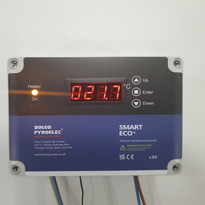
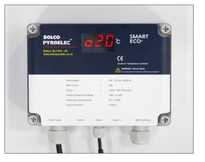
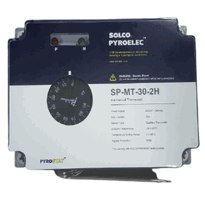
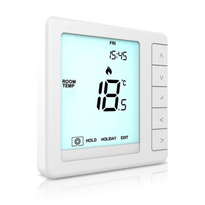
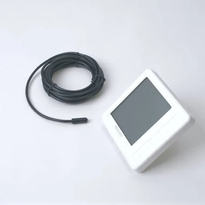
For electrical connections, ensure the wiring is done correctly. Connect the tape to a thermostat equipped with a sensor, which should be attached alongside the pipe. The thermostat must be rated for outdoor or moist environments to prevent electrical faults.
Additionally, always confirm the maximum length and wattage of the heat tape, and avoid installing it on damaged or compromised pipes. It's highly recommended to use GFCI (Ground Fault Circuit Interrupter) outlets to further reduce the risk of electrical shock or fire. Proper surface preparation promotes better heat transfer and reduces safety hazards, which is crucial for maintaining the longevity and safety of the installation.
Adhering to these guidelines will help ensure a safe and efficient installation of electric heat tape in the UK.
Maximising Efficiency and Ensuring Longevity
Once electric heat tape has been correctly installed, focus should move towards optimizing its efficiency and prolonging its lifespan. Selecting self-regulating heat tapes can significantly reduce energy consumption by automatically adjusting their output according to the temperature of the pipe. It is essential to perform proper wattage calculations based on heat loss to prevent overheating and minimize energy waste while maintaining reliable freeze protection. Pairing insulation with heat tape further decreases heat loss and reduces power requirements. Properly designed systems that consider sustainability and environmental responsibility contribute to long-term cost savings and operational efficiency. Regular inspections for damage, wear, or faults are crucial to prevent a decline in efficiency and to sustain performance over time. Consistent maintenance ensures that the system continues to operate safely and efficiently throughout its service life.
Consider the following:
Feature |
Benefit |
| Self-Regulating Tape | Adjusts power output, conserving energy |
| Adequate Insulation | Minimizes heat loss, extends the lifespan of the tape |
| Correct Wattage Selection | Prevents overheating, ensures effective operation |
| Routine Inspection | Identifies faults early, maintains optimal performance |
Conclusion
Choosing the appropriate electric heat tape involves understanding its types, installation procedures, and safety precautions. Proper application ensures effective insulation, minimises electrical hazards, and extends the tape’s lifespan. Regular inspection, correct placement, and adherence to manufacturer instructions are essential for peak performance. Implementing these practices guarantees reliable pipe protection during cold conditions, reduces energy consumption, and prevents costly damage. A methodical, informed approach to electric heat tape use ensures safety, efficiency, and long-term functionality.