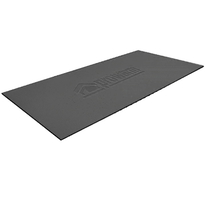
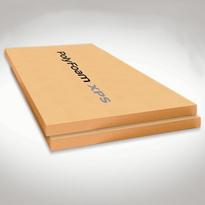
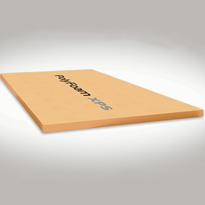
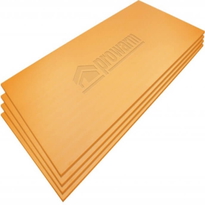
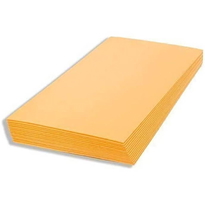
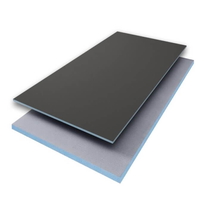
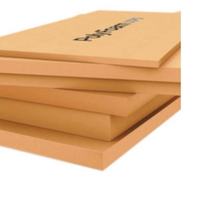
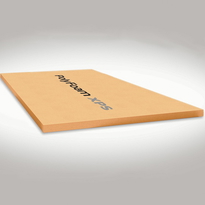
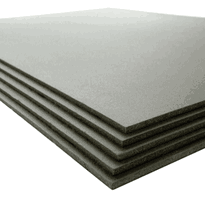
Extruded Polystyrene Foam Underlay
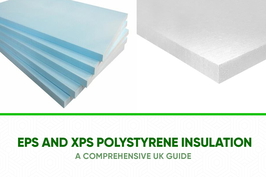
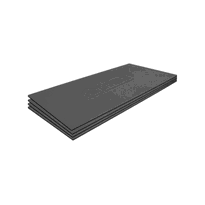
Extruded polystyrene foam underlay is a robust, moisture-resistant material composed of polystyrene resin beads that are melted, blended with additives, extruded into rigid sheets, and then cut into convenient sizes.
This underlay provides exceptional thermal insulation and effectively prevents water penetration, making it an excellent choice for supporting various types of flooring. Its high compressive strength and impact resistance contribute to the maintenance of structural integrity over time.
Further exploration into its versatile applications and appropriate installation techniques reveals the numerous advantages this material offers for both residential and commercial settings.
Overall, extruded polystyrene foam underlay serves as a reliable foundation for enhancing comfort and durability in flooring solutions.
Composition and Manufacturing Process of XPS Foam
The composition and manufacturing process of extruded polystyrene (XPS) foam commences with the careful selection of raw materials, primarily polystyrene resin beads or granules. Polystyrene is a clear, rigid plastic produced through the polymerisation of styrene monomers. These resin beads are introduced into an extruder where they're heated until they melt. Additives, which may include blowing agents and occasionally colouring agents, are blended into the molten resin. Commonly used blowing agents, such as pentane, generate tiny gas-filled cells, resulting in the foam's low density. As the mixture progresses through the extruder, it's kneaded and mixed to ensure a uniform consistency. Towards the end of the process, the blowing agent is injected to facilitate expansion. The heated, foamable mixture is then forced through a die, shaping it into continuous sheets or boards, which are subsequently cooled and cut to the desired dimensions. The manufacturing process involves cooling the extruded foam to solidify its structure. This process ensures the production of high-quality XPS foam, known for its excellent thermal insulation properties and durability, making it a popular choice in various applications across the UK construction and manufacturing industries.
Key Thermal Insulation Benefits of XPS Underlay
XPS underlay provides outstanding thermal resistance, which aids in maintaining stable indoor temperatures and can significantly lower energy costs. Its moisture-resistant characteristics help prevent water damage while ensuring that the insulation remains effective over time. Moreover, XPS offers long-term stability, which guarantees consistent insulation performance without compromising its thermal properties. By choosing XPS underlay, homeowners can enjoy a more comfortable living environment, as it effectively reduces heat loss and enhances energy efficiency. Its robust nature also ensures that it retains its insulating qualities, making it a reliable choice for various applications. This durability is due to its closed-cell structure, which gives it superior strength and resilience compared to other insulation materials.
High Thermal Resistance
High thermal resistance is a significant advantage of extruded polystyrene foam underlay, making it exceptionally effective at minimising heat transfer through floors. With its low thermal conductivity, heat moves slowly through the material, helping to keep indoor spaces warm and comfortable. The insulating effectiveness of this foam is noteworthy, with thicker layers providing enhanced resistance to heat flow. The closed-cell structure of extruded polystyrene (XPS) restricts both air and moisture movement, which helps maintain its insulation quality over time. Additionally, XPS demonstrates stability across a broad temperature range, ensuring reliable performance in various climates. This thermal stability contributes to its durability and long-term performance in different environmental conditions. This high resistance to heat transfer not only supports energy efficiency but also enhances comfort underfoot, making it an ideal choice for flooring applications in the UK.
Moisture-Resistant Performance
Moisture resistance is a significant advantage of extruded polystyrene foam underlay, greatly improving its capacity to insulate floors over time. Fully water-repellent qualities of XPS, with minimal water absorption, effectively prevent moisture from penetrating, unlike alternatives such as fibreboard or EPS. Its closed-cell structure inhibits the growth of mould, mildew, and fungi, thereby protecting the floor and preserving indoor air quality. This physical barrier also guards against rising dampness from concrete or earthen subfloors, often negating the need for additional vapour barriers. The durability and stability of XPS in moist conditions contribute to sustained floor performance. Manufactured using extrusion and thermoforming technology, ensuring consistent quality and structural integrity across different batches:
Feature |
Benefit |
| Minimal water absorption | Prevents moisture ingress |
| Closed-cell structure | Limits water and mould growth |
| Resistance to dampness | Enhances floor longevity |
| Supports energy efficiency | Maintains insulation performance |
| Simplified installation in damp areas | Facilitates building process |
With these benefits, XPS underlay is an exceptional choice for ensuring the longevity and effectiveness of flooring systems in various environments.
Long-Term Insulation Stability
The long-term thermal stability of extruded polystyrene (XPS) foam underlay is one of its primary advantages for enhancing building durability and energy efficiency.
XPS offers a high R-value per inch, which effectively helps maintain stable indoor temperatures over time. Its closed-cell structure significantly reduces heat flow, thereby lowering energy costs associated with heating and cooling.
XPS performs reliably across a range of temperature variations, ensuring consistent insulation effectiveness for many years. The material's high compressive strength prevents deformation under heavy loads, thereby preserving insulation performance.
Furthermore, XPS resists thermal ageing, which helps to maintain its R-value and diminishes the need for future replacements. The manufacturing process of XPS contributes to its thermal stability by creating a cell structure that resists heat transfer and deformation.
An additional benefit of XPS is its ability to create continuous insulation, effectively limiting thermal bridging and air leakage.
Water Resistance and Moisture Management in XPS Foam
Extruded polystyrene (XPS) foam is renowned for its outstanding water resistance, making it particularly suitable for utilisation in damp or wet settings.
The continuous extrusion process employed in its production results in a homogeneous closed-cell structure, which significantly restricts water absorption. In contrast to expanded polystyrene (EPS), which features an open bead structure, XPS absorbs considerably less water, adhering to the relevant industry standards for moisture content.
This minimal absorption is crucial in preserving thermal performance over time, as the presence of moisture can diminish the effectiveness of insulation. The closed-cell configuration of XPS also provides robust resistance against damage from freeze-thaw cycles, thereby enhancing its durability. Additionally, XPS’s homogeneous structure maintains its insulation properties even in prolonged exposure to moisture, contributing to its long-term reliability.
Key benefits of XPS include:
Its dense structure effectively prevents capillary pathways for water ingress, unlike EPS.
Low water absorption contributes to the longevity of insulation and improved energy efficiency.
Ongoing testing guarantees consistent performance in diverse weather conditions.
XPS foam stands out as a reliable choice for insulation in environments prone to moisture, ensuring both performance and durability.
Mechanical Strength and Structural Durability of XPS
The mechanical strength of XPS foam is crucial in determining its ability to support weight and resist damage when subjected to pressure. Variants such as Type IV provide significant load-bearing capabilities, effectively supporting heavy weights with minimal compression. Its excellent impact resistance renders it particularly suitable for safeguarding structures against sudden shocks and stresses. In applications where durability and strength are paramount, XPS foam stands out as a reliable choice. Its robust nature ensures that it can endure the rigours of various environmental conditions, making it ideal for use in construction and insulation. Cell structure stability also contributes significantly to its durability, preventing premature failure under mechanical loads.
Compressive Load Capacity
Compressive load capacity is a crucial consideration when assessing the suitability of XPS foam as a rigid underlay material. Standard XPS can typically withstand pressures ranging from 20 to 40 psi, with high-load variants achieving the upper limits.
In accordance with industry standards, a minimum load capacity of 25 psi is often required for applications involving slabs or underlays. This ensures that the material can support weight without undergoing excessive compression. Load testing is usually conducted at a 5% deformation, which demonstrates the foam's ability to safely support structural loads.
To enhance understanding:
Well-rated XPS offers dependable support for both flooring and wall installations.
Implementing safety factors of 3:1 is advisable to avert long-term deformation under static loads.
The robust, closed-cell structure of XPS preserves its strength even in damp conditions.
These characteristics position XPS as an excellent choice for durable and long-lasting underlay solutions in the UK market.
Resistance to Impact Damage
Impact resistance is a vital aspect of the mechanical strength and durability of XPS foam when used as underlay material. XPS foam is capable of withstanding the impacts commonly encountered in flooring and foundation projects, thanks to its robust, closed-cell structure. STYROFOAM Brand Square Edge Insulation Proven performance in wet environments for over 60 years underscores its reliability. High-impact polystyrene capsheets provide additional protection to the foam core, safeguarding it from surface damage such as scratches or dents during handling and installation. The foam’s dense, resilient cells offer natural resistance to punctures and indentations caused by foot traffic or dropped objects. Its flexibility, demonstrated through rigorous testing, aids in resisting bending and breaking. Furthermore, XPS maintains its structural integrity over time, even under repeated stress, establishing it as a dependable choice for long-lasting support. These characteristics ensure that XPS remains durable and effective, delivering consistent impact resistance throughout its service life.
Versatile Applications of XPS as Underlay Material
Extruded polystyrene (XPS) foam underlay offers a versatile range of applications across various building projects in the UK. It provides a stable, moisture-resistant base for an array of flooring types, including laminate, vinyl, and engineered wood. XPS is also known for its high compressive strength, making it suitable for load-bearing applications. This material is particularly beneficial for achieving an even surface in tile installations, significantly reducing the risk of cracking. XPS enhances durability by preventing moisture from damaging subfloors, which supports long-lasting flooring solutions. Its excellent thermal resistance contributes to maintaining comfortable indoor temperatures and improving energy efficiency, making it a preferred choice for under slabs and in basement environments. When utilised beneath green roofs or in retrofit projects, XPS aids in optimising building performance, ensuring consistent indoor comfort through efficient insulation. It also supports sustainable and energy-saving building designs, promoting long-term flooring performance and stability.
Advantages of Using XPS Foam in Building Projects
The use of XPS foam in building projects presents several significant advantages, making it a popular choice among builders and homeowners in the UK.
Its high-density, closed-cell structure effectively reduces heat transfer, providing excellent insulation that helps maintain comfortable indoor temperatures. This can lead to lower energy bills over time, making it a cost-effective solution for many properties.
Moreover, XPS foam is resistant to moisture absorption and vapour penetration. This characteristic helps to prevent issues such as mould, mildew, and material damage, thereby enhancing the durability of buildings.
The foam's high compressive strength allows it to support substantial loads without deformation, making it particularly suitable for use in floors and foundations.
In addition to its functional benefits, XPS is easy to install. Its lightweight and uniform boards simplify the installation process, ultimately reducing labour time and associated costs.
From an environmental perspective, XPS is recyclable and plays a role in supporting eco-friendly building practices by improving energy efficiency and contributing to reduced carbon emissions.
Limitations and Considerations for XPS Underlay Use
Despite its numerous advantages, utilising XPS foam as an underlay presents several limitations and important considerations. A primary concern is its environmental impact; XPS emits greenhouse gases during production and is non-biodegradable, resulting in significant waste management challenges.
Furthermore, its higher cost compared to alternatives such as EPS or fibreglass may restrict its application in budget-conscious projects.
Physically, XPS is rigid and can be susceptible to cracking or warping over time, particularly when exposed to UV light. Safety is another critical factor, as it's flammable in the absence of fire retardants and can release toxic fumes if burned. Proper installation is essential to prevent issues such as shrinkage and warping.
In conclusion, users must carefully weigh these limitations against the benefits of XPS, particularly its moisture resistance and strength, to make informed decisions that align with their project requirements.
Environmental impacts may conflict with sustainability goals.
Higher costs could limit accessible use for some projects.
Physical rigidity necessitates careful planning and handling.
Best Practices for Installing XPS Foam in Construction
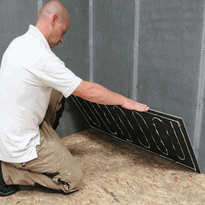
Proper installation of XPS foam in construction necessitates careful preparation and attention to detail.
Firstly, the subfloor must be level, clean, and dry to ensure secure adhesion. Applying a damp proof membrane is essential in preventing moisture from reaching the foam or the final flooring.
It is crucial to ensure that the selected XPS foam is compatible with the subfloor material, and to leave expansion gaps around the edges of the room to accommodate thermal movement.
When choosing XPS foam, consider the appropriate density and thickness for your project’s requirements, and compare various brands for quality and durability.
Utilise a suitable adhesive or mechanical fasteners to secure the panels effectively. Ensure that joints are sealed tightly to avoid air gaps and maintain optimal insulation performance.
Additionally, wearing proper personal protective equipment during installation is advised to ensure safety.
Thorough planning and meticulous execution will lead to a long-lasting, energy-efficient subfloor underlay.
Conclusion
Extruded polystyrene foam underlay provides dependable insulation, water resistance, and durability within the construction industry. Its manufacturing process guarantees robust thermal and mechanical properties, making it suitable for a wide range of applications.
When properly installed and with careful consideration of its limitations, XPS foam can significantly enhance energy efficiency and structural integrity in building projects. This material is particularly advantageous for those seeking to improve the overall performance of their construction endeavours.
In summary, XPS foam is a sensible choice for anyone looking to optimise insulation and durability in their developments, provided it is utilised in accordance with established best practices.