
Fire Rated Breathable Vapour Control Layer
Fire-rated breathable vapour control layers (VCLs) are essential components in modern building construction, designed to meet rigorous fire safety standards such as Euroclass A2 or B. These layers combine aluminium facings with reinforced scrims, providing both effective fire resistance and superior moisture management. Carefully engineered to withstand high temperatures, they serve to limit smoke production and prevent the formation of flaming droplets, thereby significantly enhancing safety in high-rise and sensitive buildings. Ensuring proper installation—strictly following manufacturer instructions and compliance regulations—is crucial to maximize their effectiveness. Continuing further, insights into selecting, applying, and maintaining these vital building components can support practitioners in achieving optimal performance and safety standards.
Understanding Fire Safety Classifications for Vapour Control Layers
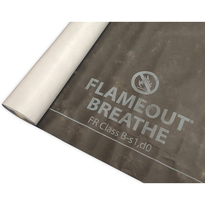
Understanding fire safety classifications for vapor control layers is essential when selecting suitable materials for building applications, particularly in tall and fire-sensitive structures. These classifications, such as Euroclass A2, specify the level of combustibility and fire performance of materials, which are crucial for ensuring building safety and regulatory compliance. These classifications are determined through standardized testing procedures that evaluate their reaction to fire and flame spread characteristics. Euroclass A2 materials are characterized by limited combustibility, making them appropriate for use in high-rise buildings where fire safety is of utmost importance. Conversely, Euroclass B materials have flame-retardant properties, suitable for a range of applications, including residential buildings exceeding 18 meters in height. Additionally, react-to-fire ratings, such as B-s1,d0, give detailed information about smoke production and flaming droplets in the event of a fire, ensuring vapour control layers enhance overall safety measures. A thorough understanding of these standards enables industry professionals to make informed decisions that align with safety requirements and building regulations. Proper selection of fire-rated vapour control layers contributes significantly to the safety and resilience of UK buildings, helping to protect occupants and property in the event of a fire.
Material Composition and Fire-Resistant Properties
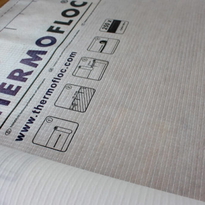
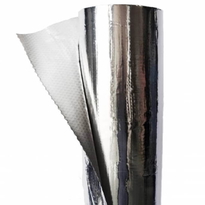
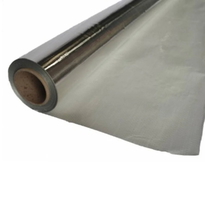
The material composition of fire-rated breathable vapour control layers (VCLs) plays a crucial role in balancing durability, thermal performance, and fire resistance. These layers typically combine a lacquered aluminium sheet with reinforcement scrims made from glass or polyethylene, which strengthen the membrane without compromising breathability. Aluminium provides reflective properties with low emissivity, reflecting up to 95% of interior heat. This enhances thermal efficiency and contributes to the overall energy performance of the building. Reaction to fire classification A2-s1,d0 is achieved through specialized formulations and manufacturing processes. Specialized coatings are applied to protect against corrosion, thereby extending the lifespan of the material within building envelopes. The structural reinforcement, whether glass woven or polyethylene-based with mono-filament scrims, ensures tensile strength and stability under various environmental stresses. These composite structures are engineered to meet stringent fire-resistance standards, such as A2-s1, d0, and are formulated to resist ignition without producing excessive smoke or flaming droplets. Fire safety qualities are essential to comply with UK and European fire safety legislation, including EN 13501-1 standards.
Ensuring Compliance and Proper Installation for High-Rise Buildings
Ensuring compliance and proper installation of fire-rated breathable vapor control layers in high-rise buildings demands meticulous adherence to established standards and thorough execution procedures.
This process involves surpassing the requirements set by local building regulations, such as Approved Document B in England and Technical Guidance Document B in Ireland, which set out fire safety standards for structures exceeding 11 and 18 meters in height.
All materials used must meet recognized fire resistance classifications, including Euroclass ratings of A1, A2, or B. These classifications indicate the combustibility and flame-retardant properties of the vapor control layers, ensuring they contribute effectively to the building's overall fire safety strategy.
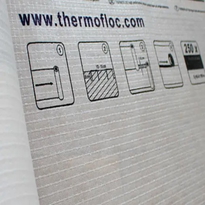
During installation, it's vital to follow manufacturer instructions precisely. Particular attention should be given to the correct placement of joints and seams, as well as around penetrations, to maintain the integrity of the fire and vapor barrier.
Utilizing compatible tapes, sealants, and fixings, along with designing continuous membranes that are seamlessly integrated with other building elements, creates a resilient and compliant fire barrier system.
Proper installation also involves verifying the performance of the vapor control layer through testing and inspection, which helps to identify and rectify potential issues early.
Professionally qualified installation teams and strict adherence to quality assurance protocols are essential to achieving durable and safe high-rise structures.
Ensuring that all components are correctly specified, installed, and maintained contributes not only to compliance with statutory regulations but also to the safety and energy performance of the building throughout its lifespan. The Fire Rated Product Range offers technology solutions that meet high safety standards and facilitate compliant installations.
Conclusion
Selecting a fire-rated breathable vapour control layer requires careful consideration of fire safety classifications, material composition, and installation procedures, particularly in high-rise buildings. Understanding these factors thoroughly ensures compliance with UK safety standards and enhances overall fire resistance. Proper installation and strict adherence to regulations minimize risks, extend building durability, and safeguard occupant safety. Industry professionals must critically evaluate product specifications to implement effective, durable solutions that meet the rigorous fire safety requirements demanded within UK construction standards.