



Heat Cable for Water Pipes
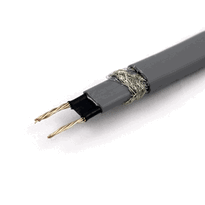
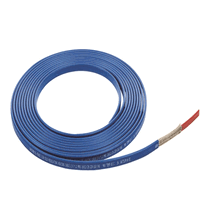
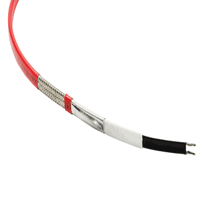
Water pipe heat cables are vital for preventing the freezing of pipes during cold weather, ensuring that water flows freely and avoiding costly water damage. There are different types available, including fixed resistance cables and self-regulating models that alter their heat output depending on the ambient temperature.
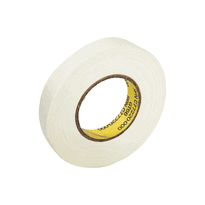
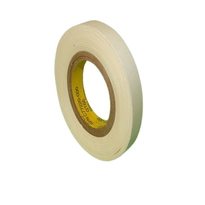
Proper installation is key to effective freeze protection. Begin by accurately measuring the length of the pipe that requires heating. Secure the cable firmly along the pipe using appropriate electrical tape, ensuring there are no loose sections that could compromise effectiveness. It is also important to avoid installing heat cables over any existing leaks, as this can pose safety risks and reduce the system’s efficiency.
Safety and reliability are paramount. Choose heat cables that comply with recognised safety standards such as those issued by the British Standards Institution (BSI), and look for certifications like CE marking, which confirm conformity to UK and European regulations. Many cables feature weatherproof, flame-retardant jackets designed to withstand outdoor conditions, protecting both the cable and the surrounding environment.
Selecting the most suitable heat cable depends on various factors, including the local climate, the type of pipe, and its exposure to the elements. Consulting with a qualified specialist can help determine the optimal solution for your particular circumstances.
Ongoing maintenance and correct installation are essential to safeguarding your property from freezing pipes, especially during the harsh UK winters. Properly chosen and installed heat cables will provide dependable freeze protection year after year.
Types and Features of Water Hose Heat Cables
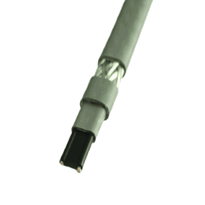
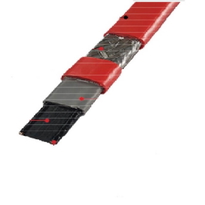
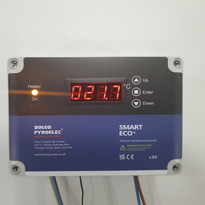
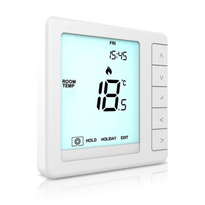
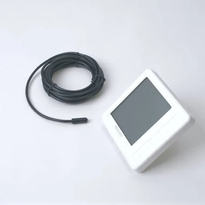
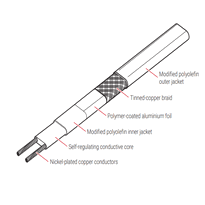
There are several different types of water hose heat cables, each designed with specific features to address a range of freezing and safety concerns. Fixed resistance cables provide a consistent wattage per metre and are supplied fully pre-terminated, making installation straightforward and quick. The cables are rated at 7 Watts per foot of length, ensuring a reliable amount of heat. Self-regulating heating cables adapt their heat output based on ambient temperature, which often eliminates the need for external thermostats. These cables can be safely overlaid during installation without the risk of overheating, offering flexibility and enhanced safety. Automatic electric heat cable kits are equipped with built-in thermostats and power indicator lights, simplifying operation and ongoing monitoring. These features ensure reliable freeze protection and allow for easy maintenance. Many types of heat cables are designed to be UV resistant and weatherproof to withstand outdoor conditions and harsh weather. These heat cables are compatible with both metal and plastic pipes—including materials such as PVC, ABS, PEX, copper, galvanised steel, and other common materials used in UK plumbing systems. Constructed for durability, they feature waterproof, flame-retardant jackets and electrical safety components suitable for outdoor and wet environments. Such robust design features guarantee safe, effective freeze protection across a wide range of applications, ensuring your pipes remain unblocked and operational during cold weather.
Installation Tips for Effective Freeze Protection
Effective freeze protection begins with careful planning and thorough preparation before installation. Start by accurately measuring the total length of the pipes, adding approximately 30 centimetres for safety and adjustments. Clean the pipes meticulously, removing all dirt, grease, and moisture to ensure optimal adhesion of the heat cable and consistent heat transfer. Proper preparation reduces the risk of inefficient heating and potential damage.
Avoid installing heat cables over leaking pipes, as this can present electrical hazards and reduce effectiveness. Identify the pipes most vulnerable to freezing, such as those located outside, near cold walls, valves, or external taps, and ensure they're properly covered.
Choose heat tapes specifically designed for the type of pipe you're insulating. For plastic pipes, use automatic thermostat-controlled cables to prevent overheating and potential damage. When installing, run the cables straight along the underside of horizontal pipes and secure them at regular intervals using appropriate electrical tape. This ensures good contact and effective freeze protection.
Safety Standards and Electrical Certifications
Choosing heat cables that meet recognised safety standards and possess appropriate electrical certifications is essential for ensuring reliable and safe freeze protection of water hoses and plumbing systems. Certification provides an added level of consumer protection and assurance of product quality. This adherence guarantees compliance with safety regulations, reduces fire risks, and confirms that materials are suitable for contact with potable water. Certifications such as CSA, UL, NSF, and cCSAus verify that products are safe and appropriate for use in wet or potable water environments. Proper certification also indicates the product's suitability for outdoor use and pressurised applications, helping to maintain the safety and efficiency of your heating system. Always select heat cables with recognised certifications to guarantee the highest standards of safety and performance for your infrastructure.
Choosing the Right Heat Cable for Your Needs
Selecting the appropriate heat cable for water hoses involves careful consideration of multiple factors, including environmental conditions, hose length, and the level of freeze protection required. Understanding heat cable operation can help in selecting the most suitable type. Self-regulating cables adapt their power output based on the ambient temperature, which helps conserve energy while effectively preventing freezing. This makes them particularly suitable for installations in variable or unpredictable UK climates. Silicone rubber tapes offer excellent chemical and moisture resistance, making them appropriate for applications up to 232°C (450°F). However, it's important to note that these tapes aren't fully submersible, so their use should be limited to protected environments. Fibreglass-insulated tapes are capable of handling higher temperatures—up to approximately 482°C (900°F)—and provide a cost-effective option when higher insulation levels are desired. They also benefit from [advanced insulation materials that improve thermal efficiency and durability. They're suitable for more demanding applications where greater thermal resistance is necessary. For extremely high-temperature requirements, up to around 760°C (1400°F), materials such as Samox tapes are preferred, despite their higher cost. These are typically reserved for specialised industrial applications. Matching the wattage of the heat cable to the hose size, insulation type, and local climate conditions ensures optimal performance and energy efficiency. Proper installation, including the use of appropriate fittings and accessories, is essential to guarantee safety and system reliability.
Conclusion
Selecting an appropriate water hose heat cable involves understanding the various types, installation requirements, and safety certifications. Properly choosing and installing the cable ensures reliable freeze protection and safety compliance. It is essential to follow manufacturer guidelines and standards to prevent electrical hazards and equipment failure.
By adhering to this comprehensive approach, users can effectively safeguard water hoses in freezing conditions, maintaining functionality and safety while minimising potential risks associated with improper installation or incompatible products.