








Heat Trace for Plumbing Pipes
Heat trace systems utilize resistive electrical cables installed along plumbing pipes to generate consistent heat, preventing freezing and damage in cold climates. Different types include mineral insulated, self-limiting, and flexible cables, each suitable for specific conditions.
Proper installation involves cleaning surfaces, securing cables at regular intervals, and conducting electrical tests to ensure safety. These systems help maintain reliable water flow, reduce repair costs, and prolong pipe lifespan.
Further installation details provide guidance for ideal setup, ensuring effective and safe operation of the heat trace system in UK conditions.
Principles and Types of Heat Trace Systems in Plumbing
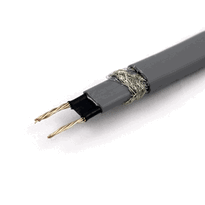
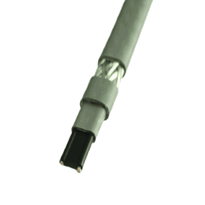
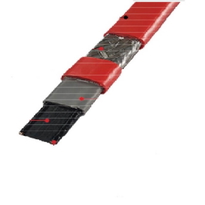
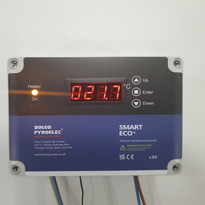
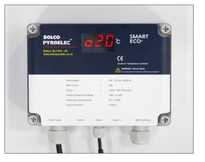
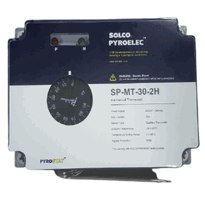
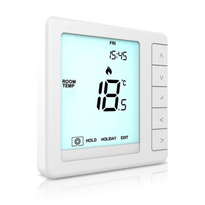
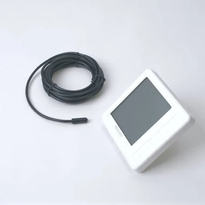
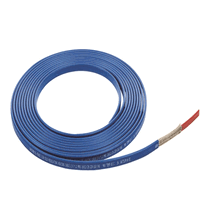
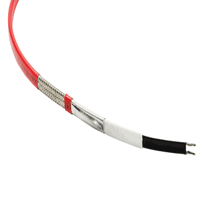
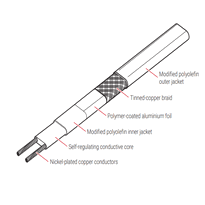
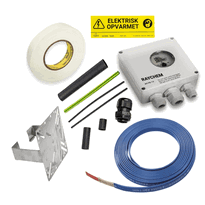
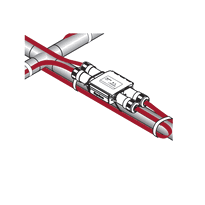
Heat trace systems operate on the principle of using resistive electrical elements that generate heat when energized, allowing them to effectively maintain or raise the temperature of plumbing pipes. These systems typically involve installing heating cables along the pipe’s length, either in direct contact or in close proximity, ensuring efficient heat transfer. Heat trace cables are designed to be securely fixed along the pipe surfaces, which prevents movement that could lead to uneven heating or damage. Proper installation guidelines are essential to ensure safety and effectiveness in operation. External insulation is used in conjunction with heat tracing to reduce heat loss, improve energy efficiency, and sustain consistent pipe temperatures. Various types of heat trace cables serve different needs: mineral insulated (MI) cables with durable metal sheaths; self-limiting cables that adjust their heat output based on ambient temperature; fixed wattage cables providing constant heat output; and flexible silicone- or polymer-insulated cables suitable for moderate-temperature applications. Precise control systems regulate the power and temperature of these systems, optimizing safety and performance within plumbing installations. This regulation ensures the efficient operation of the heat trace systems, protecting pipes from freezing and maintaining the integrity of the plumbing network in colder conditions.
Practical Benefits and Applications for Cold Climate Plumbing
In cold climates across the UK, heat trace systems offer substantial practical benefits for plumbing infrastructure. Their primary purpose is to prevent pipes from freezing and to minimize the associated risks of water damage—potentially leading to significant financial costs and infrastructural disruption.
By maintaining a steady temperature along vulnerable pipe runs, heat trace systems effectively avert the formation of ice, which can cause pipes to crack or burst. This prevention reduces the need for costly repairs, diminishes water wastage, and ensures continuous supply—even during severe winter conditions.
These systems are especially beneficial for protecting both metallic and non-metallic pipes, safeguarding essential services in residential, commercial, and industrial properties. Reliable operation of plumbing systems during cold spells enhances infrastructure longevity and provides peace of mind to property owners and communities alike. Proper installation compatible with insulation materials maximizes their efficiency and longevity.
Insulated Cold Pipe |
Heat Trace Maintains Temperature |
| Freezing Risks | Prevention of ice formation and subsequent pipe cracks |
| Damage Cost | Avoidance of costly repairs and water loss |
| System Reliability | Ensures dependable operation in low temperatures |
Implementing heat trace solutions offers a trusted layer of protection, helping to ensure that plumbing systems remain functional, resilient, and efficient throughout the UK’s colder months. Heat trace systems are known for their cost-effectiveness and ability to reduce energy consumption compared to other heating options.
Installation Guidelines and Industry Trends
Installing heat tracing systems requires careful adherence to specific guidelines to ensure both safety and effectiveness. Proper cable placement is essential; cables should initially be installed on the lower quarter of pipes, typically at the 4 or 8 o'clock position. This positioning promotes even heat distribution across the pipe surface. If access is limited, adjustments can be made to install the cables at the 10 or 2 o'clock position. Self-regulating cable SRK models are often preferred due to their ability to adjust wattage based on environmental conditions, enhancing system efficiency.
Surface preparation is a critical step; the pipe surface must be thoroughly cleaned to remove dirt, rust, and grease. This ensures optimal heat transfer between the cable and the pipe. Proper surface preparation helps prevent cable insulation issues and improves overall system longevity, especially in damp or corrosive environments.
Prior to installation, all cables should be tested for electrical integrity at high voltages to confirm their reliability and safety. Once tested, cables must be securely fastened using appropriate attachment tape at intervals of no more than 30 centimeters to prevent any movement during operation.
Industry trends are increasingly focused on energy efficiency. Modern systems incorporate smart technology to enable real-time monitoring, allowing operators to optimize performance and reduce energy consumption.
Additionally, the adoption of sustainable materials aligns with environmental responsibility, supporting efforts to minimize the ecological impact of installations in the UK.
Conclusion
In summary, heat tracing systems offer an effective and reliable solution for preventing pipe freezing in colder climates. A thorough understanding of the principles, different types, and best practices for installation is vital to ensure correct implementation, thereby maximizing system efficiency and longevity.
Staying informed about industry developments allows for informed decision-making and helps future-proof plumbing infrastructure. Careful selection and precise installation of heat trace systems are crucial to maintaining the operational integrity of plumbing networks under freezing conditions. This aids in avoiding costly repairs and service disruptions, ensuring continuous and dependable system performance throughout the winter months.