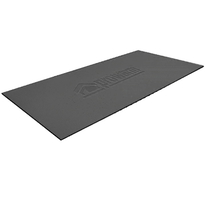
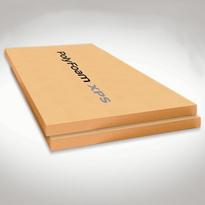
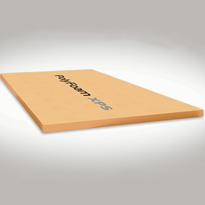
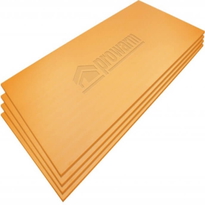
High Performance Xps Underlay
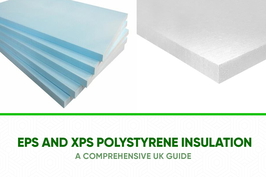
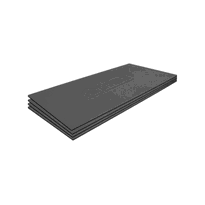
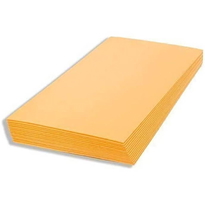
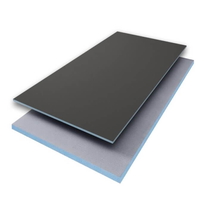
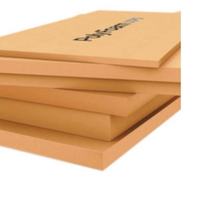
High-performance XPS underlay is a robust, moisture-resistant foam board crafted from extruded polystyrene. It provides outstanding thermal insulation, significantly reducing heat loss and enhancing energy efficiency. Its dense structure not only offers excellent soundproofing but also supports substantial loads.
This underlay is straightforward to install, making it an ideal choice for various flooring types, including laminate, tile, and vinyl, particularly in damp conditions. The advanced features of XPS underlay contribute to a versatile solution for creating long-lasting, comfortable floors.
With its superior performance and adaptability, high-performance XPS underlay is an excellent investment for any flooring project, ensuring a warm and quiet environment in the home.
Material Composition and Structural Advantages
The material composition of high-performance XPS underlay is primarily based on extruded polystyrene, a type of closed-cell foam created by pushing polystyrene pellets through a heated barrier. This process results in a rigid, durable foam with a compact structure that effectively resists moisture and compression.
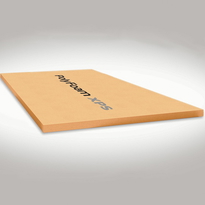
The consistent density of high-grade XPS ensures reliable performance over time. Typically, the underlay comes in sheets that are around 10mm thick and measures approximately 1200mm by 500mm.
Its inherent water resistance prevents absorption and deterioration, making it suitable for various environments, including damp or humid areas. The thermal properties of XPS also contribute to energy efficiency by reducing heat transfer through floors.
This structural makeup provides a strong, supportive foundation for flooring, ensuring stability and longevity. Overall, the properties of the material make it an ideal choice for those seeking a dependable, high-quality underlay.
Thermal Insulation and Energy Efficiency Benefits
High-performance XPS underlay offers substantial thermal insulation advantages that enhance indoor comfort and reduce energy expenses. It effectively reflects and retains heat, minimising heat loss through flooring, particularly over chilly concrete or in conjunction with underfloor heating systems.
With a low Lambda value, it delivers exceptional insulation properties, supporting stable indoor temperatures and contributing to lower energy bills. Overview of XPS Foam Underlay: XPS stands for extruded polystyrene, a stable and lightweight board. The material boasts a high R-value, which varies based on density, thereby enhancing heating efficiency. It acts as a robust barrier between the subfloor and floor coverings, improving the responsiveness of underfloor heating systems.
Its stable, non-compressible structure is resistant to degradation and moisture over time, ensuring enduring performance. This durability aids in maintaining insulation effectiveness, leading to energy savings and a more comfortable living environment.
Incorporating high-performance XPS underlay into your home can significantly improve energy efficiency while creating a cosy atmosphere throughout the year.
Acoustic Performance and Soundproofing Capabilities
High performance XPS underlay provides excellent soundproofing by effectively reducing impact noise, such as footsteps and dropped objects, by around 20 dB.
This rigid, closed-cell foam material not only insulates floors but also minimises noise transmission between levels, making it an ideal choice for multi-storey buildings. Made from durable, recyclable XPS foam, its structure ensures long-lasting impact resistance and stability.
The thickness of the underlay, which typically ranges from 5mm to 10mm, significantly influences its ability to block sound and enhance floor-to-floor isolation.
Choosing the right underlay can greatly improve acoustic comfort in residential and commercial spaces alike, ensuring a quieter and more peaceful environment.
In addition to its soundproofing qualities, XPS underlay contributes to overall floor insulation, which can help with energy efficiency.
By reducing heat loss between levels, it supports a more comfortable indoor climate throughout the year.
For those seeking to enhance their living or working spaces, investing in high performance XPS underlay is a wise decision that delivers both soundproofing and insulation benefits.
Impact Noise Reduction
XPS underlay effectively reduces impact noise in flooring systems, creating quieter and more comfortable living spaces. It typically cuts impact sound by around 20 decibels, significantly lowering footfall noise and other disturbances. A reduction of just 10 decibels is perceived as roughly half the loudness, making floors considerably less disruptive. The closed-cell structure of XPS foam enhances its sound insulation properties, preventing noise from transmitting between rooms below. Its density and composition are particularly effective at minimising the knocking sounds often associated with laminate flooring, thereby improving overall acoustic comfort. With increased thickness, the reduction of impact noise improves even further. This underlay is easy to install and is resistant to moisture, mould, and mildew, ensuring long-lasting acoustic performance. Proper installation guarantees a seamless and effective barrier, elevating the tranquillity of any space. XPS Foam Underlay for all wood and laminate flooring provides an excellent levelling surface that further enhances soundproofing capabilities, adding to its superior acoustic performance.
Floor-to-Floor Isolation
Floor-to-floor isolation is essential for creating quieter living environments, and it relies significantly on the soundproofing properties of underlay materials such as XPS foam. High-performance XPS underlay is suitable for wood and laminate floors, providing substantial sound dampening, effectively reducing airborne noise transmission. Its dense and rigid structure acts as a barrier against mid-to-high frequency sounds, preventing these disturbances from travelling between floors. The material's closed-cell, non-absorbent composition minimises resonance, which further enhances its soundproofing capabilities. When employed with floating floors, XPS serves as a decoupling layer, improving acoustic separation and reducing noise transfer. Notably, the durability of XPS ensures long-lasting performance, as it resists moisture and structural shifts that could compromise soundproofing over time. Proper installation, including selecting the appropriate thickness, is crucial to maximising these benefits.
Mechanical Strength and Durability Features
The mechanical strength and durability of XPS underlay are fundamental to its effectiveness in flooring installations. It boasts a high compressive strength, making it capable of supporting heavy furniture and accommodating foot traffic without compromising its integrity. The material exhibits impressive resistance to dynamic loads, demonstrating its ability to endure repeated walking or rolling stresses over an extended period. XPS underlay is designed to resist deformation when subjected to long-term static loads, ensuring it maintains its structural integrity over time. Its impact resistance further enhances its durability, allowing it to absorb shocks from falling objects without cracking. The rigid closed-cell structure of the underlay safeguards against punctures and surface damage, reinforcing its reliability in various settings. This structural resilience makes it suitable for a wide range of flooring environments, where longevity and performance are essential.
Installation Techniques and Compatibility Considerations
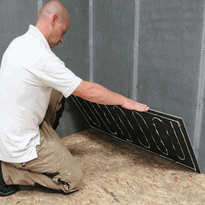
Proper installation of XPS underlay is essential to maximise its performance and ensure a long-lasting, effective flooring system. A clean, debris-free, and smooth subfloor helps improve adhesion and prevents gaps or unevenness. Preparing the subfloor properly is critical for the durability of the floor and to prevent future issues. It's important to cut XPS boards accurately around openings such as doors and windows, sealing seams with tape or foam for enhanced insulation and moisture protection. When installing, use the recommended adhesives evenly on the back of each board, pressing firmly into place. Compatibility varies depending on the type of flooring; XPS works well under floating systems like laminate and engineered wood but requires higher compression strength for vinyl click floors. Many XPS underlays come with integrated vapour barriers, simplifying moisture control. Proper sealing of joints and the maintenance of appropriate subfloor moisture levels are vital to ensure the effectiveness of the vapour barrier and the overall durability of the flooring system.
Environmental Impact and Sustainability Aspects
XPS underlayments are engineered to harmonise effective insulation with environmental considerations. They contribute to energy efficiency by providing excellent thermal performance, which in turn leads to reduced CO2 emissions.
Here are some key aspects to consider:
XPS delivers quick payback through energy savings, yielding benefits for both the environment and the user’s finances.
The material can be recycled either mechanically or chemically, with certain products incorporating up to 100% recycled plastic.
Although XPS has a higher global warming potential compared to EPS, its long-term resistance to moisture enhances its durability and overall performance.
End-of-life options include energy recovery via incineration, although the recycling infrastructure is still evolving.
Significant energy savings are achievable through XPS insulation, making it a highly cost-effective solution for sustainable building design.
These features illustrate the potential for sustainability in XPS when its production, usage, and disposal are managed with care.
Applications and Best Practices for Use
Selecting the appropriate XPS underlay is crucial and should be based on the type of flooring being installed, as well as the unique requirements of the space. Employing proper installation techniques, such as using suitable adhesives and ensuring a level surface, is vital for achieving optimal performance. Familiarity with these applications and best practices will help guarantee long-lasting, high-quality flooring results. When choosing your underlay, consider the specific characteristics of your flooring material, as this will influence the overall effectiveness and durability of your installation. Additionally, understanding the environmental conditions of the space can aid in selecting the most suitable underlay, since environmental factors like moisture levels and temperature fluctuations can affect insulation performance, ensuring that it meets both practical and aesthetic needs.
Suitable Flooring Types
High Performance XPS Underlay is a versatile solution suitable for a wide range of flooring types, offering significant benefits such as sound insulation, thermal protection, and load support.
Its adaptability makes it a preferred choice across various settings:
Wood flooring – It's an excellent option for both solid and engineered wood, providing durability and cushioning for enhanced comfort. The high compressive strength of XPS ensures the subfloor maintains its stability under the weight of heavy furniture and foot traffic.
Laminate flooring – The underlay enhances stability and effectively reduces sound, contributing to a tranquil environment.
SPC (Stone Plastic Composite) flooring – With its high compressive strength and moisture resistance, it's particularly well-suited for high-traffic areas.
Tile and vinyl flooring – When used in conjunction with moisture barriers and proper preparation, it significantly improves overall stability.
Proper Installation Techniques
Proper installation is essential for maximising the performance of XPS underlay. It begins with preparing the subfloor, which must be clean, dry, and free from dust or debris. Concrete floors should be fully cured and assessed for moisture; in damp areas, a vapour barrier may be required.
To ensure a smooth surface, minor imperfections can be levelled using the underlay material.
During installation, it's important to lay the boards or rolls tightly without overlapping, sealing seams with adhesive tape or foil to prevent moisture ingress. Maintain expansion gaps around walls, typically around 1/8 inch, to accommodate expansion and contraction.
Employing consistent, staggered joints along with appropriate fasteners guarantees stability, reducing the likelihood of squeaks and movement over time.
Conclusion
High-performance XPS underlay provides robust and lightweight support for building projects, offering exceptional thermal and acoustic insulation. Its resilient structure and versatility across different surfaces facilitate a straightforward installation process. Environmentally, it stands out as a sustainable option due to its longevity and recyclability.
Whether for residential or commercial applications, grasping the key features of XPS underlay is essential for ensuring correct usage. This advanced material effectively combines efficiency with strength, making it a dependable choice for enhancing building comfort and optimising energy efficiency.
In summary, XPS underlay is a practical solution that contributes to improved living and working environments, reinforcing the importance of quality materials in construction.