
Insulating an Old House
Insulating an old house in the UK requires a careful selection of suitable materials and installation techniques to enhance energy efficiency while maintaining the property’s structural and aesthetic integrity. External foam panels can provide continuous insulation, sealing air leaks and minimising thermal bridging, which reduces heat loss and improves overall comfort.
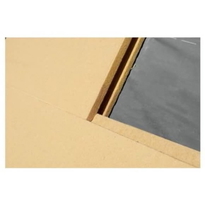
In basements and crawl spaces, it is important to install vapour barriers alongside foam insulation. These barriers help prevent moisture build-up and heat loss, protecting the building from damp and mould issues. When insulating interior walls, using appropriately fitted insulations can offer effective sealing, especially in irregularly shaped spaces.
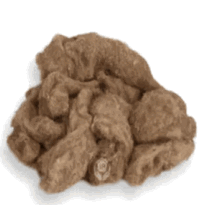
Densely packed insulations are suitable for conforming to awkward or uneven surfaces, ensuring comprehensive coverage. Carefully considering each step of the insulation process will lead to better results in energy efficiency, moisture control, and the preservation of historical features.
Exploring these strategies further can help homeowners make well-informed decisions tailored to the unique needs of their old UK properties.
Exterior Insulation Strategies for Old Homes
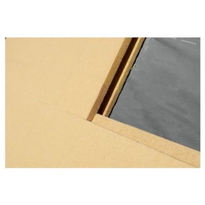
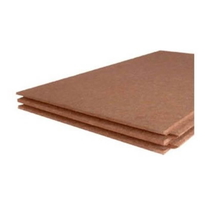
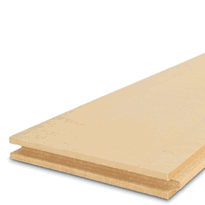
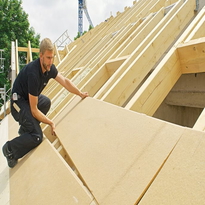
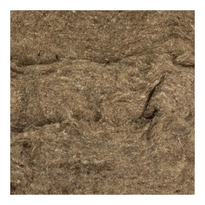
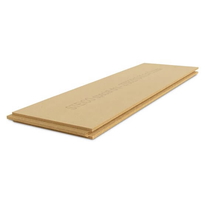
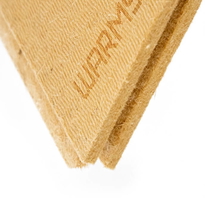
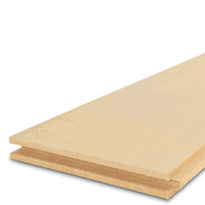
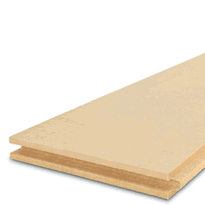
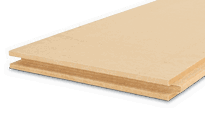
Exterior insulation strategies for old homes in the UK focus on enhancing thermal performance while maintaining structural integrity and preserving historic character. Employing materials such as expanding foam insulation can effectively seal air leaks and fill irregular spaces, providing improved insulation benefits. Understanding the unique challenges of old buildings is crucial to prevent damage and ensure long-lasting results. Rigid foam panels, commonly fitted externally, establish continuous insulation layers that minimise thermal bridging through studs and framing. Hybrid systems combining Rockwool within stud bays and external foam boards further optimise thermal resistance and moisture management. It's vital that selected materials are compatible with existing structures to prevent damage and moisture-related issues. Proper installation involves carefully removing existing cladding, applying a weather-resistant barrier over the sheathing, fixing foam panels with appropriate sealants, and sealing seams with specialised tapes to eliminate air leaks. This systematic approach maximises energy efficiency while respecting the building’s historic integrity, ensuring that the character and fabric of old homes are preserved for future generations.
Sealing and Insulating Basements and Crawl Spaces
Proper sealing and insulation of basements and crawl spaces are crucial for maintaining the overall energy efficiency and structural integrity of a property, particularly in older homes where these areas often contribute significantly to heat loss and moisture problems.
Effective methods include installing high-quality vapour barriers over dirt floors, ensuring they're sealed tightly against foundation walls. This can be achieved using suitable materials such as breathable membranes designed to control ground moisture.
Insulating foundation walls with non-permeable foam panels, such as closed-cell spray foam, helps prevent cold air infiltration and reduces heat loss.
Sealing all air leaks around rim joists, sill plates, and any penetrations is essential for achieving an airtight environment, which is vital for energy conservation. Adhering to climate-specific checklists can help identify the most effective insulation strategies for your area. Proper installation of insulated pipe supports can also support the piping system's safety and longevity in these spaces.
Additionally, sealing gaps with appropriate caulking or foam enhances moisture control by preventing the ingress of dampness and polystyrene-based products.
Adequate ventilation or dehumidification systems should also be in place to prevent the development of mould, thereby creating a healthier and more durable basement or crawl space environment.
Choosing the Right Wall Insulation Techniques
Selecting the appropriate wall insulation technique involves a careful assessment of the existing wall structure and an understanding of the specific needs of the building. This process includes evaluating the type of walls—whether solid masonry, cavity, or framed—and identifying any moisture problems or structural damage that could weaken insulation performance. Types of insulation materials vary widely, each suited to specific wall types and conditions. Conducting a proper assessment can help determine the most effective approach for insulation application. The building's historical status and the local climate are also important factors influencing the choice of materials and methods.
Key considerations include:
Ensuring compatibility with the original wall materials to prevent any damage
Maintaining breathability to control moisture and prevent mould growth
Addressing space constraints within rooms
Preserving the building’s aesthetic appeal and structural integrity
Ensuring compliance with local building regulations and standards
Making well-informed decisions guarantees effective thermal performance whilst respecting the character and longevity of the building.
Benefits and Considerations of Spray Foam and Blown-In Insulation
Both spray foam provides superior air sealing, moisture resistance, and structural reinforcement, making it ideal for hard-to-access areas and environments prone to dampness. It also delivers higher thermal resistance per centimetre and acts as an effective soundproofing material, which further improves energy efficiency and comfort within the home. Additionally, spray foam's ability to expand upon application helps fill even the tiniest gaps, ensuring a complete seal and increased energy savings. Its compatibility with door and window frame insulation further enhances its sealing capabilities and overall performance.
Conversely, blown-in insulation comfortably conforms to irregular spaces, filling gaps within walls and lofts with minimal disruption. It's generally more cost-effective and facilitates retrofitting without extensive dismantling. However, it may settle over time, reducing its insulating effectiveness, and is less efficient at air sealing compared to spray foam. Proper installation and moisture control are essential to prevent issues such as settling or moisture accumulation that could compromise insulation performance.
Both options require professional installation and proper moisture management to ensure optimal performance. Proper installation and ongoing maintenance are essential to maximize their benefits and longevity. Careful consideration of these factors will help you decide which insulation type best suits your home’s needs.
Conclusion
In summary, effective insulation of an old house requires careful selection of suitable strategies tailored to the specific building conditions. External insulation, sealing basements, and choosing appropriate wall insulation techniques, such as blown-in options, can significantly enhance energy efficiency.
Each method should be assessed for its advantages, installation requirements, and long-term benefits. When implemented accurately, these measures can improve comfort, reduce heating costs, and help maintain the home's structural integrity.
Ultimately, a well-planned insulation approach ensures that the property remains energy-efficient and sustainable over time, providing ongoing benefits for homeowners across the UK.