






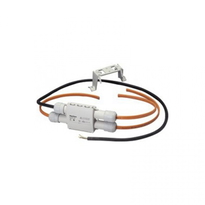
Internal Heat Trace
Internal heat trace systems utilize embedded heating cables within pipes to maintain consistent temperatures, prevent freezing, and avoid blockages across various industrial and infrastructure applications. These systems feature different cable types, such as self-regulating or mineral insulated, which are securely affixed to the pipe surfaces using suitable fixing methods.
Proper installation, continuous monitoring, and effective insulation are crucial to optimizing efficiency, safety, and longevity. Developing comprehensive strategies for the design and maintenance of these vital heating solutions is essential for ensuring reliable performance over time.
Overview of Internal Heat Trace Systems and Applications
Internal heat trace systems play a vital role in maintaining the functionality and safety of piping networks across various industries. They operate by installing heating elements directly inside pipes or conduits, providing efficient and targeted heat where external methods are impractical or impossible.
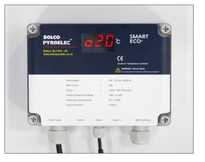
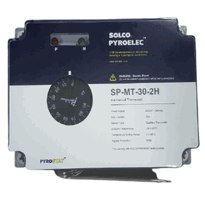
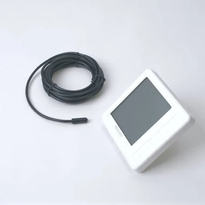
These systems are particularly effective in scenarios where access to the pipe exterior is restricted due to environmental conditions or installation constraints. For example, when pipelines are buried underground, submerged in water, or located within hard-to-reach industrial settings, internal heat tracing offers a reliable solution to prevent freezing, solidification, or increased viscosity of fluids. They are also effective in applications requiring precise temperature control within sensitive process lines. Typically, the heating elements used are metal-sheathed, mineral-insulated cables. These are durable and capable of withstanding harsh conditions, ensuring consistent heat delivery. The system design is carefully tailored to environmental factors, whether the pipes are buried in soil, exposed to the air, or submerged in water bodies. Incorporating superior quality rivets for cladding into certain pipeline assemblies can enhance the system's durability and corrosion resistance, especially in corrosive environments. Integral to the system are temperature control devices and power distribution assemblies. These components work together to deliver precise amounts of heat safely and efficiently, maintaining the desired temperature levels within the piping system without waste or risk of overheating.
Common applications of internal heat trace systems include the protection of buried or submerged pipelines, maintaining process temperatures in chemical and manufacturing industries, and preventing freezing in water treatment and distribution facilities.
By ensuring continuous operation and safety, these systems help minimize downtime, reduce maintenance costs, and prevent hazardous situations caused by frozen or blocked pipes.
Components and Cable Options for Internal Heating
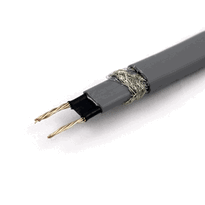
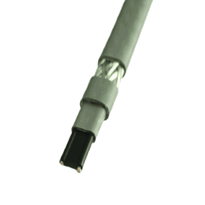
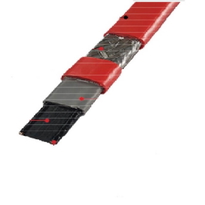
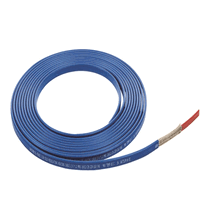
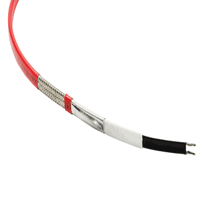
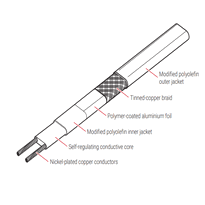
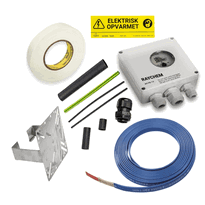
Components and cable options for internal heating systems are carefully selected based on their functional requirements, environmental conditions, and safety standards. Different types of heat trace cables include constant wattage, self-regulating, mineral insulated, and single or dual element designs, each tailored for specific applications. Proper insulation is essential to ensure the heat is effectively retained and system efficiency is maximized. Construction materials such as tinned copper or stainless steel overbraids enhance durability and corrosion resistance, while mineral-insulated cables provide high power capacity and robust insulation in demanding environments. Voltage ratings generally range from 230 V to 480 V, with wattage densities customized according to ambient temperatures, pipe dimensions, and insulation levels. Accessories such as sealed end caps, NPT fittings, and controllers facilitate secure, efficient installation and operation. Selecting the appropriate cable components ensures reliable, safe heating performance aligned with regulatory requirements and operational needs.
Installation, Monitoring, and Optimization Strategies
Effective installation, monitoring, and enhancement of internal heat trace systems are crucial to ensure safety, energy efficiency, and reliable operation.
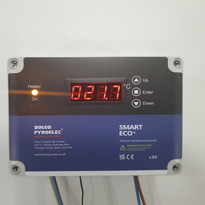
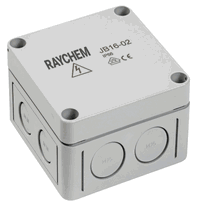
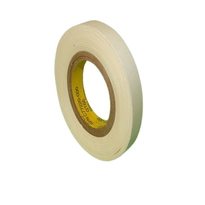
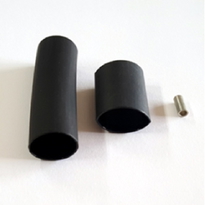
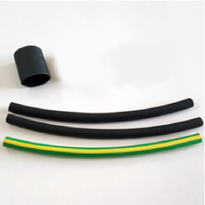
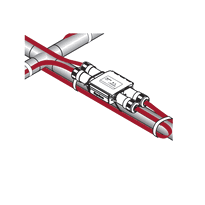
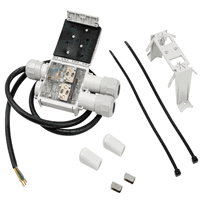
Proper installation involves ensuring cables are in direct contact with pipe surfaces, securing them with suitable tapes, and positioning cables at optimal locations to minimize heat loss and prevent water exposure. Using correct connection kits, tees, and end terminators is essential for system integrity and safety. Regular inspections are vital to identify damage, worn insulation, or system faults early, allowing for timely maintenance and repairs. Digital control systems facilitate automatic temperature regulation and fault detection, contributing to operational reliability and energy savings. Control systems can include temperature controllers to prevent overheating and ensure consistent performance. Optimization strategies include applying thermal insulation to reduce heat loss, selecting cables rated for the specific operating conditions, and conducting heat loss calculations to determine the appropriate wiring and spacing. This ensures the system performs efficiently without unnecessary energy consumption. Proper cable placement and secure attachment maximize contact and heating efficiency. Key practices to ensure system effectiveness include:
- Ensuring cables are securely attached and well-positioned for maximum efficacy
- Conducting routine inspections and testing to detect issues promptly
- Using insulation strategically to minimise heat loss
- Applying precise calculations during system design to optimise performance
- Integrating reliable connection kits for consistent power delivery
Additionally, incorporating insulation materials such as EcoQuilt Insulation can enhance thermal efficiency by reducing heat loss and protecting the system from temperature fluctuations. Following these guidelines will help maintain a safe, efficient, and dependable internal heat trace system tailored to the UK's climatic and operational conditions.
Conclusion
Proper implementation of internal heat trace systems enhances safety, efficiency, and reliability in maintaining desired temperatures. Careful selection of components, precise installation, and ongoing monitoring are vital for optimal performance. Regular evaluations enable adjustments that extend system lifespan and improve energy efficiency. By following these practices, users can prevent frost damage, reduce energy expenditure, and ensure continuous operation, making internal heat trace systems a dependable solution for temperature management across a range of applications.