

Natural Insulations
Natural insulation materials, including wool, cork, cotton, and wood fiber, offer sustainable alternatives to synthetic options by utilising renewable or recycled plant, animal and mineral fibers. These materials provide effective thermal and acoustic performance, reduce environmental impacts through low embodied energy, and support healthier indoor air quality by avoiding harmful chemicals. Proper installation and moisture management are essential for durability and performance, with further insights available for those seeking comprehensive guidance on effective usage and care.
Types and Advantages of Natural Insulation Materials
Natural insulation materials provide environmentally friendly alternatives to traditional synthetic options by utilizing renewable, biodegradable, and non-toxic resources. These materials not only help reduce environmental impact but also enhance indoor air quality and sustainability.
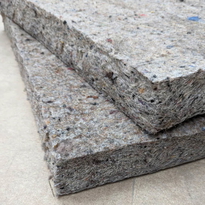
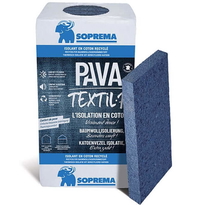
Cotton or denim insulation is produced from recycled cotton fibers, often sourced from scraps such as old blue jeans. These fibers are treated with borate to enhance fire resistance and to deter insects, making them a safe and effective choice for thermal insulation.
Cork insulation is derived from the outer bark of cork oak trees. One of its key benefits is that the bark can be harvested sustainably without harming the tree, ensuring continuous production. Cork can absorb CO? from the atmosphere during growth, contributing to its status as a carbon sink.
Cork naturally resists moisture and mold, contributing to improved indoor air quality and durability of the building fabric.
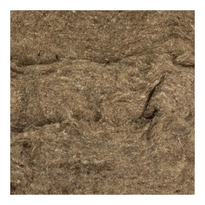
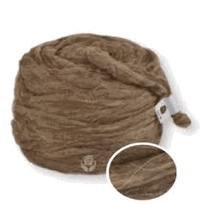
Sheep’s wool insulation offers excellent breathability and moisture regulation, helping to prevent condensation and mold growth. Its high thermal performance, combined with natural fire-retardant properties, makes it a practical organic solution for various building applications.
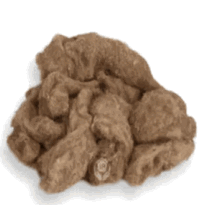
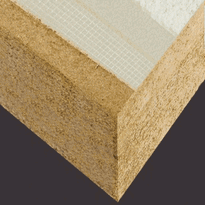
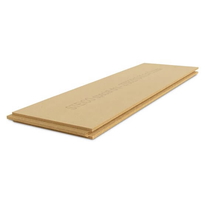
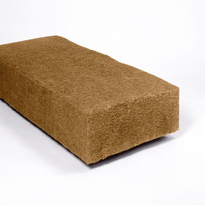
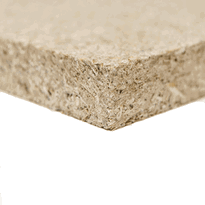
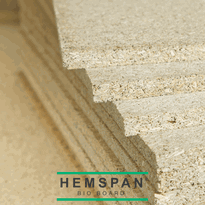
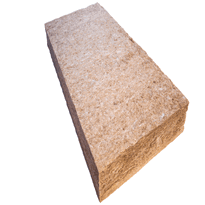
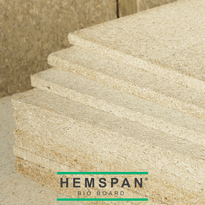
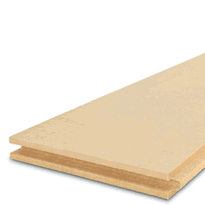
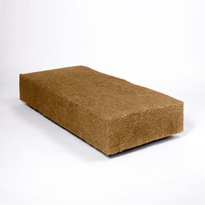
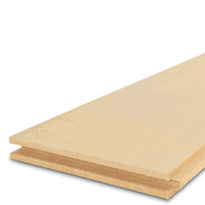
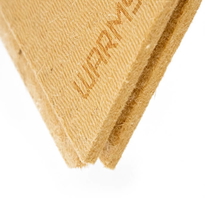
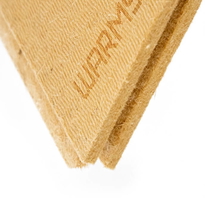
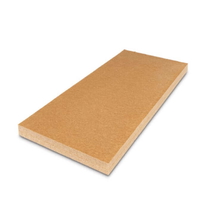
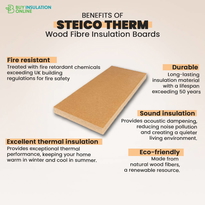
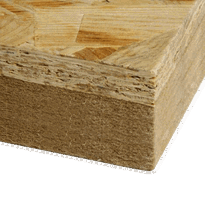
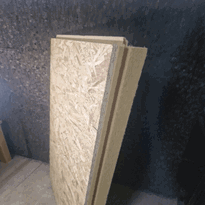
Wood fibre insulation, including wood wool and fiber boards, is sourced from plant-based materials. It provides moderate thermal resistance and is valued for its thermal mass, sound insulation properties, and environmental credentials.
These natural insulation materials have become increasingly popular within the UK building sector due to their sustainability credentials and beneficial properties. They also often have low embodied energy, making them a more sustainable choice throughout their lifecycle.
Environmental Impact and Sustainability Benefits
Reducing the environmental impact of buildings is essential in tackling climate change, and the choice of insulation materials plays a vital role in this effort. Natural insulations, such as hemp, wool, or plant-based fibers, generally have lower embodied carbon emissions compared to synthetic alternatives like expanded polystyrene, which produces about 3.4 kg CO? equivalent per kilogram during manufacturing. Buildings account for 40% of EU energy consumption and 36% of greenhouse gas emissions. These materials also require less energy during production, resulting in lower overall embodied energy and contributing to resource efficiency. Additionally, natural insulations are biodegradable, helping to minimize landfill waste and environmental pollution, as they decompose more rapidly and safely than plastics or inorganic fibers. Sourced from renewable agricultural or forestry by-products, they decrease reliance on finite resources, supporting broader sustainability objectives. Transitioning to natural insulation options aligns with initiatives such as the UK’s commitment to reducing carbon emissions and promoting sustainable construction. Moreover, the use of natural materials can improve indoor air quality by avoiding synthetic chemicals and volatile organic compounds. Incorporating these materials into building design and renovation projects can significantly contribute to achieving carbon reduction targets and fostering a greener future by leveraging regional sourcing to lower transport emissions and support eco-friendly farming practices.
Indoor Air Quality and Health Considerations
Indoor air quality (IAQ) significantly influences occupant health, and insulation choices play a vital role in maintaining a safe indoor environment. Natural insulations, such as wool, which are free from harmful chemicals, don't emit volatile organic compounds (VOCs).
In contrast, some synthetic options like spray foam can release VOCs during installation and off-gas over time, potentially harming respiratory health.
Properly selected natural materials help reduce airborne chemical irritants and allergens, thereby improving IAQ. This is especially important for vulnerable groups such as children or individuals with allergies.
Additionally, effective moisture control through natural insulation prevents mold growth, which can impair IAQ and cause health issues.
Ensuring correct installation is essential for creating a stable indoor environment. Properly installed insulation minimizes microbial growth and reduces indoor exposure to allergens and irritants, supporting long-term occupant well-being.
One key benefit of natural insulation materials like mineral wool is their fire safety, which helps protect occupants in case of a fire while maintaining good thermal performance.
Thermal and Acoustic Insulation Performance
Many natural insulation materials demonstrate impressive thermal and acoustic properties that make them suitable alternatives to synthetic options. These materials, such as cork, wool, and various plant fibers, often exhibit lower thermal conductivity, which supports better heat retention and energy efficiency. For example, cork has a thermal conductivity of around 0.04 W/m·K, which is comparable to or better than some synthetic insulations. Expanded cork, like ThermaCork, has a cellular structure that traps air, offering superior thermal resistance. Wool insulation from sources such as Havelock Wool provides effective thermal performance alongside moisture regulation, reducing condensation risks. Natural fibers like abaca and coir also rank competitively with commercial insulations based on their thermal conductivity values. Rockwool Pipe Insulation is another natural-like option, made of stone wool or mineral wool, that exhibits excellent thermal insulation properties. For acoustic benefits, cork and wool absorb mid to high-frequency sounds, improving indoor noise control. Their density and structure enable them to reduce reverberation, making them valuable for creating comfortable, environmentally friendly living and working spaces.
Installation Tips and Practical Applications
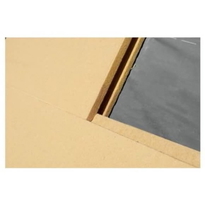
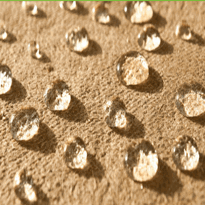
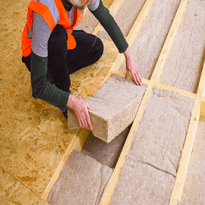
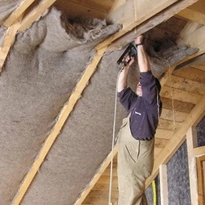
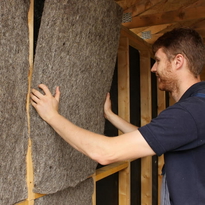
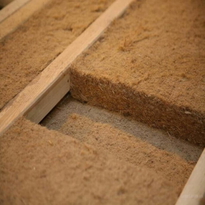
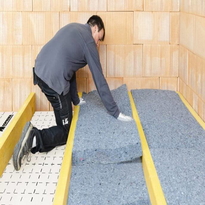
Proper installation of natural insulation materials requires careful preparation of the site to ensure maximum effectiveness and longevity. First, all areas must be clean, dry, and free from debris or moisture, which can compromise insulation performance. Second, verify that cavities, floors, or ceilings are free of obstructions and structurally sound for insulation placement. Third, use appropriate supports, such as studs or joists, to maintain stability, especially for semi-rigid or flexible batts. Additionally, understanding the properties of each material can help in selecting the right insulation for specific climate conditions and building types. Ensuring the water-resistance capabilities of insulating materials is also crucial in preventing external moisture ingress and maintaining insulation integrity.
Key tips include:
Confirm proper ventilation and humidity levels to prevent moisture accumulation.
Ensure pest and mold remediation before installation, particularly with organic materials.
Follow manufacturer instructions precisely, especially for specialized applications like polyurethane foam or liquid-applied insulations.
These steps help guarantee durability and optimal thermal and acoustic performance.
Conclusion
Natural insulation materials offer effective thermal and acoustic performance while reducing environmental impact and enhancing indoor air quality. Choosing the appropriate type depends on specific application requirements, installation considerations, and sustainability objectives. Proper installation ensures optimal performance and durability, making natural insulations a practical choice for environmentally conscious construction.
By understanding their benefits and application methods, users can make informed decisions that benefit both the environment and building occupants through efficient, sustainable insulation solutions.