

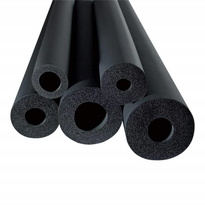
Plumbing Pipe Insulation
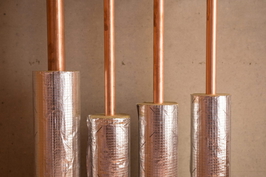
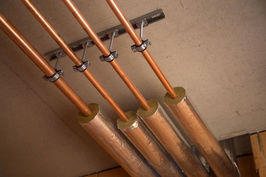
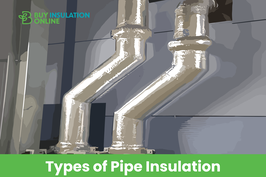
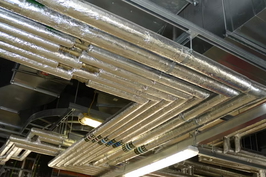
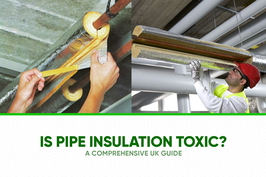
Plumbing pipe insulation plays a crucial role in enhancing energy efficiency, preventing pipes from freezing during the colder months, and mitigating moisture-related problems. Common materials used for insulation include polyurethane foam, polyisocyanurate, and polystyrene foam, each tailored for specific types of pipes such as those carrying hot water, cold water, or outdoor installations.
Effective insulation not only lowers energy costs but also safeguards pipes from potential damage and reduces condensation. Choosing the appropriate material and installation technique is essential for achieving optimal performance.
By further exploring insulation options, homeowners can maximise the benefits for various plumbing systems, ensuring durability and efficiency throughout the year.
Common Materials for Pipe Insulation
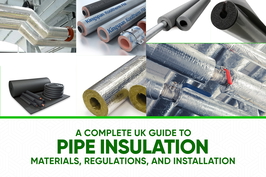
There are several common materials used to insulate plumbing pipes, each chosen based on the specific requirements of the installation.
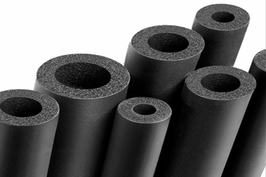
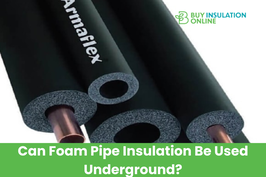
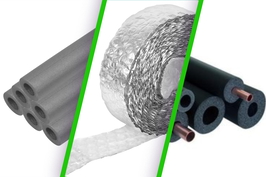
Foam-based options include polyurethane foam, which offers excellent insulation and moisture resistance, making it ideal for refrigeration and chilled water pipes.
Polyisocyanurate (PIR) is capable of withstanding high temperatures, making it suitable for industrial environments.
Polystyrene foam provides consistent insulation for low-temperature pipes, often utilised in refrigeration applications.
Spray foam delivers a flexible, form-fitting barrier that's particularly effective for irregular pipe shapes.
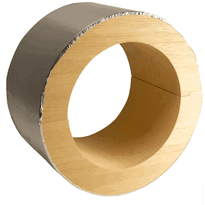
Phenolic insulation, derived from phenol-formaldehyde resin, excels at moisture control and thermal efficiency, especially in cold water and HVAC systems.
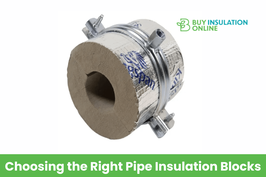
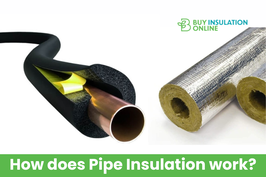
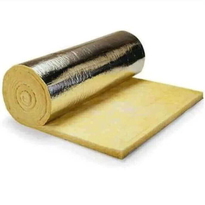
Fibrous materials such as fibreglass and mineral wool are durable and resist high temperatures and corrosion, making them widely used in various plumbing applications to ensure longevity and performance.
Each of these materials plays a significant role in maintaining the efficiency and safety of plumbing systems, catering to the unique demands of both residential and industrial installations.
Choosing the Right Insulation for Different Pipe Types
Choosing the right insulation for various pipe types hinges on understanding the unique requirements of each application.
Hot water pipes necessitate insulation with high thermal resistance to maintain warmth and minimize heat loss. Conversely, cold water pipes require moisture-resistant materials that prevent condensation and freezing. Proper insulation can also prevent energy loss, leading to lower utility bills. Insulation for refrigeration and chilled water lines must effectively handle low temperatures without degrading, making options like polyurethane or phenolic particularly suitable.
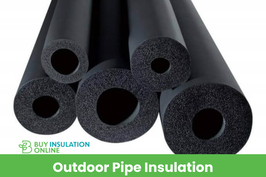
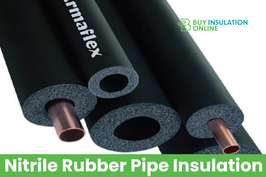
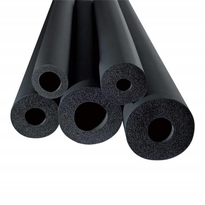
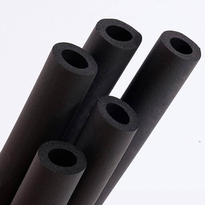
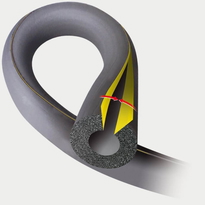
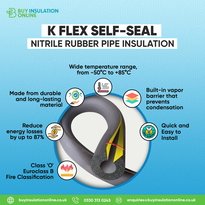
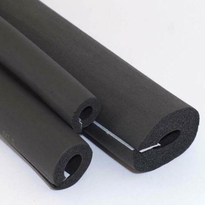
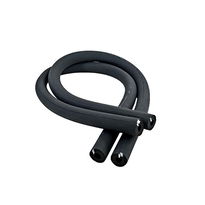
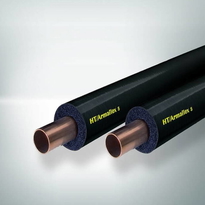
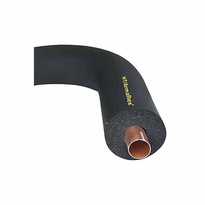
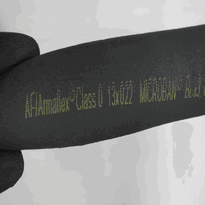
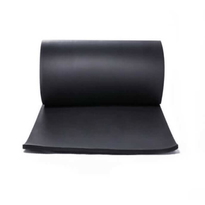
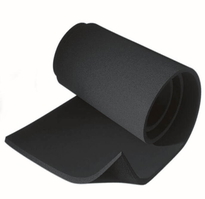
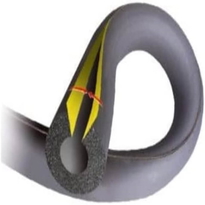
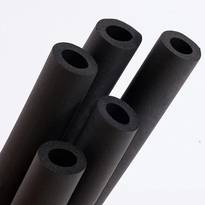
For outdoor or underground pipes, it's essential to select durable and weather-resistant insulation to shield against environmental elements and temperature fluctuations. In humid environments, closed-cell insulations such as elastomeric foam or rubber are preferred to avoid moisture accumulation. Flexibility is crucial for intricate layouts, so materials like elastomeric foam or rubber stand out as ideal choices.
Benefits of Insulating Plumbing Pipes
Insulating plumbing pipes provides numerous advantages, particularly for homeowners and businesses in the UK. One of the primary benefits is energy efficiency; properly insulated pipes help maintain the temperature of hot water for longer periods, which can lead to lower energy bills. Research shows that in cold climates, uninsulated pipes can lose up to 90% of their heat, making insulation an effective way to reduce unnecessary energy consumption. Moreover, insulation plays a crucial role in protecting pipes from freezing during colder months. Frozen pipes can result in significant damage and costly repairs, making insulation a wise investment in safeguarding your property. Another important benefit is the reduction of condensation. Insulated pipes are less likely to sweat, which can help prevent moisture-related issues and potential water damage within buildings.
Energy Conservation Benefits
By reducing heat loss and enhancing energy efficiency, insulating plumbing pipes offers substantial savings for both homeowners and businesses in the UK. Insulation can minimise heat loss significantly, helping water retain its warmth for a longer duration and decreasing the energy required to maintain temperature. This leads to lower utility bills and quicker hot water delivery, ultimately reducing waste.
Moreover, effective insulation lowers fuel consumption by enhancing the efficiency of heating systems, which also contributes to a reduction in carbon emissions. Additionally, well-insulated pipes provide protection against temperature extremes, extending the life of the system and preventing potential damage.
The following table highlights the key benefits of insulating plumbing pipes:
Benefit |
Explanation |
Impact |
| Reduced Heat Loss | Retains heat in water for longer | Saves energy and reduces costs |
| Improved System Efficiency | Requires less fuel to heat water | Decreases emissions and lowers expenses |
| Longevity of Pipes | Shields against temperature fluctuations | Prolongs the lifespan of the system |
| Faster Hot Water Delivery | Reduces waiting time at taps | Enhances user convenience |
| Lower Utility Bills | Year-round savings | Benefits both homeowners and businesses |
Freeze and Condensation Prevention
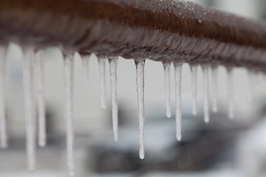
When temperatures plummet, frozen pipes can become a prevalent and costly issue for homeowners and business owners across the UK.
Insulating pipes creates a thermal barrier, helping to keep water within the pipes above freezing, even during severe cold spells. This protective measure prevents the expansion of water that can lead to cracked or burst pipes, thereby avoiding expensive repairs.
Wrapping pipes also helps to minimise internal pressure during freezing conditions, which reduces the risk of system failure.
Insulation provides additional protection for outdoor taps and pipes located in unheated areas, which are particularly vulnerable to freezing. By maintaining the temperature of the water supply, insulation significantly lowers the chance of plumbing disruptions, ensuring that your water supply remains functional throughout the winter months.
Protects pipes from freezing and bursting
Minimises internal pressure build-up
Shields outdoor and unheated pipes
Ensures a reliable water supply during cold weather by maintaining consistent pipe temperatures.
Factors to Consider When Installing Pipe Insulation
Installing pipe insulation necessitates careful consideration of several vital factors to ensure both effectiveness and durability.
Environmental and temperature conditions significantly influence insulation choices. In colder outdoor environments, for instance, thicker insulation is essential to prevent freezing and minimise heat loss. The specific application, whether for residential or commercial purposes, also shapes the decision-making process regarding insulation materials.
The type of fluid within the pipe impacts the required insulation thickness, as hotter liquids demand more insulation to effectively reduce heat loss. Furthermore, the characteristics of the pipe itself—such as diameter, wall thickness, and material—determine the appropriate size and type of insulation.
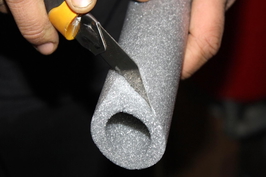
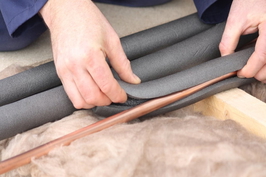
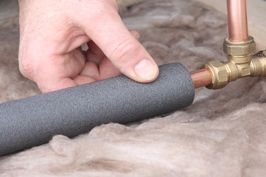
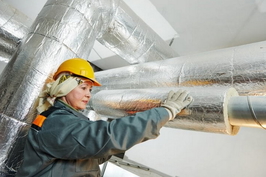
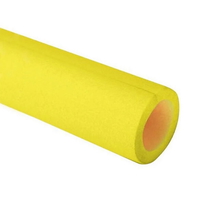
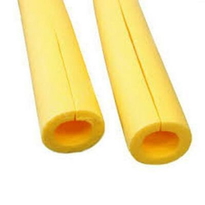
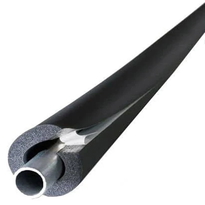
Space constraints and accessibility issues play a crucial role in the installation process. For ease of installation, options like pre-slit foam tubes can be advantageous.
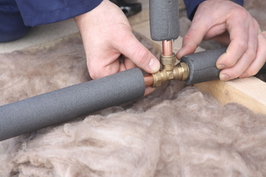
Finally, ensuring proper sealing of seams and paying attention to pipe support is essential for long-term performance. This diligence will help maintain the integrity and effectiveness of the insulation across various conditions, ultimately contributing to the efficiency of the system.
Cost and Maintenance of Pipe Insulation
The cost of installing pipe insulation can vary based on material selection, the scale of the project, and local labour rates, with typical projects averaging around £600. Maintenance is crucial and involves regular inspections to detect any damage or moisture problems, as these can compromise the insulation’s effectiveness over time. Proper maintenance extends the lifespan of your insulation, which can save you money in the long run.
Installation Cost Factors
Installation costs for pipe insulation can vary significantly based on several key factors. The type and quality of materials influence pricing, with options such as foam sleeves and fibreglass available. Higher thermal resistance materials and specialised coatings may further increase costs.
Labour expenses also play a crucial role, often accounting for a substantial portion of the total expenditure, particularly if the project involves complex piping systems, numerous fittings, or difficult-to-access areas. Local labour rates can significantly impact the overall cost, with higher rates leading to increased expenses.
Larger pipes or extended runs naturally escalate costs, while larger projects may benefit from bulk discounts.
Additional expenses, such as permits and extra protective coatings, can also contribute to the overall budget. Understanding these factors is essential for effective budgeting and for selecting the right insulation that strikes a balance between quality and affordability.
Material selections influence overall costs
The complexity of pipe layouts increases labour fees
Larger or longer pipes elevate expenses
Permits and additional features can add to final costs
Maintenance and Longevity
Maintaining pipe insulation correctly can significantly prolong its lifespan and ensure it operates effectively. Regular inspections are essential for detecting any damage or wear early, thereby preventing more significant issues. This proactive approach allows for timely repairs and replacements, reducing long-term costs. Cleaning pipes prior to installing insulation is crucial to ensure that contaminants don't compromise performance. Sealing any gaps or cracks helps to maintain the insulation’s efficiency, protecting against moisture and fluctuations in temperature. Outdoor insulation particularly benefits from protective covers that shield it from weather-related damage, especially in challenging climates. Proper upkeep also involves adhering to local building regulations regarding insulation standards. Well-maintained insulation reduces the risk of corrosion and moisture damage, which can adversely affect the lifespan of pipes. It also supports energy efficiency by keeping water temperatures stable. Investing in regular maintenance leads to fewer repairs, lower energy costs, and a plumbing system that's both durable and reliable. This ultimately provides homeowners with peace of mind and security in their homes.
Enhancing Safety and Efficiency With Proper Insulation
Proper insulation around plumbing pipes is essential for enhancing safety and efficiency in both residential and commercial properties. When pipes are adequately insulated, heat loss is significantly reduced, leading to lower energy consumption and, consequently, decreased heating costs.
Insulation also protects pipes from freezing during colder months, safeguarding against the risk of costly pipe bursts and subsequent water damage. Moreover, insulated pipes maintain a warmer exterior, which diminishes the likelihood of burns for individuals who may inadvertently come into contact with hot surfaces.
In addition to these benefits, effective insulation controls moisture accumulation, thereby preventing the growth of mould and mildew, as well as corrosion that could compromise the integrity of the pipes over time. This contributes to a safer living or working environment while extending the lifespan of the plumbing system.
Protects against freezing and pipe bursts
Reduces energy costs substantially
Lowers the risk of burns and injuries
Prevents mould and moisture damage
Insulation also helps to reduce noise from water flow, creating a quieter environment.
Conclusion
Proper pipe insulation enhances plumbing efficiency, prevents freezing, and lowers energy costs. By selecting suitable materials and considering pipe types along with installation factors, homeowners can ensure effective protection and long-lasting performance.
Regular maintenance is essential to keep insulation functioning effectively and to prolong its lifespan. Ultimately, investing in quality insulation enhances safety and results in savings over time.
With careful selection and installation, effective pipe insulation provides reliable benefits that support both comfort and efficiency in any plumbing system.
Featured Articles on Plumbing pipe insulation